8 Lush Steps to Prepare a Lush Tropical Plant Shelf
The scent of damp pine bark and the tactile resistance of high turgor pressure in a Monstera leaf define the successful indoor jungle. Understanding how to prepare a plant shelf for tropicals requires more than aesthetic placement; it demands the engineering of a microclimate that mimics the humid understory of a rainforest. You are managing a closed ecosystem where light intensity, ambient humidity, and gas exchange determine the rate of photosynthesis and cellular respiration.
Tropical species thrive when their physiological needs are met with precision. This involves calculating the Cation Exchange Capacity (CEC) of your substrate and ensuring the structural integrity of your shelving unit to support the weight of saturated ceramic pots. A shelf is not just furniture. It is a biological staging ground where you control the photoperiod and the nutrient availability within the rhizosphere. Mastery begins with the data of the soil and the mechanics of the environment.
Materials:
Substrate selection is the foundation of tropical health. Most aroids and tropical epiphytes require a pH range between 5.5 and 6.5 to ensure optimal nutrient uptake. You must construct a friable loam that prevents anaerobic conditions. The ideal mix consists of 40 percent orchid bark, 30 percent coco coir, 20 percent perlite, and 10 percent worm castings. This texture allows for rapid drainage while maintaining essential moisture films around root hairs.
Nutrient management requires specific NPK ratios tailored to the growth phase. For foliage-heavy shelves, utilize a 9-3-6 NPK liquid concentrate. The high nitrogen content supports chlorophyll production and vegetative expansion. For flowering tropicals like Hoya or Anthurium, pivot to a 5-10-10 ratio to stimulate reproductive growth. Ensure your shelving materials are non-porous or sealed; powder-coated steel or sealed teak prevents the accumulation of fungal pathogens that thrive in high-humidity zones.
Timing:
Timing is dictated by the biological clock of the plant rather than the calendar. In USDA Hardiness Zones 8 through 11, tropicals can transition to outdoor shelves once night temperatures remain consistently above 55 degrees Fahrenheit. For indoor shelves, the primary timing factor is the photoperiod. Most tropicals require 12 to 14 hours of light to remain in a vegetative state.
Monitor the transition from vegetative to reproductive stages by observing internodal spacing. If the plant begins to stretch, it is entering a period of etiolation due to insufficient light. The "Biological Clock" is also influenced by the seasonal shift in solar angle. During winter months, metabolic rates slow as light intensity drops. You must reduce irrigation frequency to match this lower transpiration rate, preventing root senescence caused by over-saturation during dormancy.
Phases:
Sowing and Propagation
When starting tropicals from seed or cuttings on a shelf, maintain a constant basal temperature of 75 degrees Fahrenheit using a waterproof heat mat. Use a sterile propagation medium like perlite or sphagnum moss to minimize the risk of "damping off" caused by Pythium species.
Pro-Tip: Utilize auxin-based rooting hormones to stimulate the formation of adventitious roots. The biological why: Auxins move through the plant via polar transport, signaling undifferentiated cells to become root tissue, which accelerates the establishment of the vascular system.
Transplanting
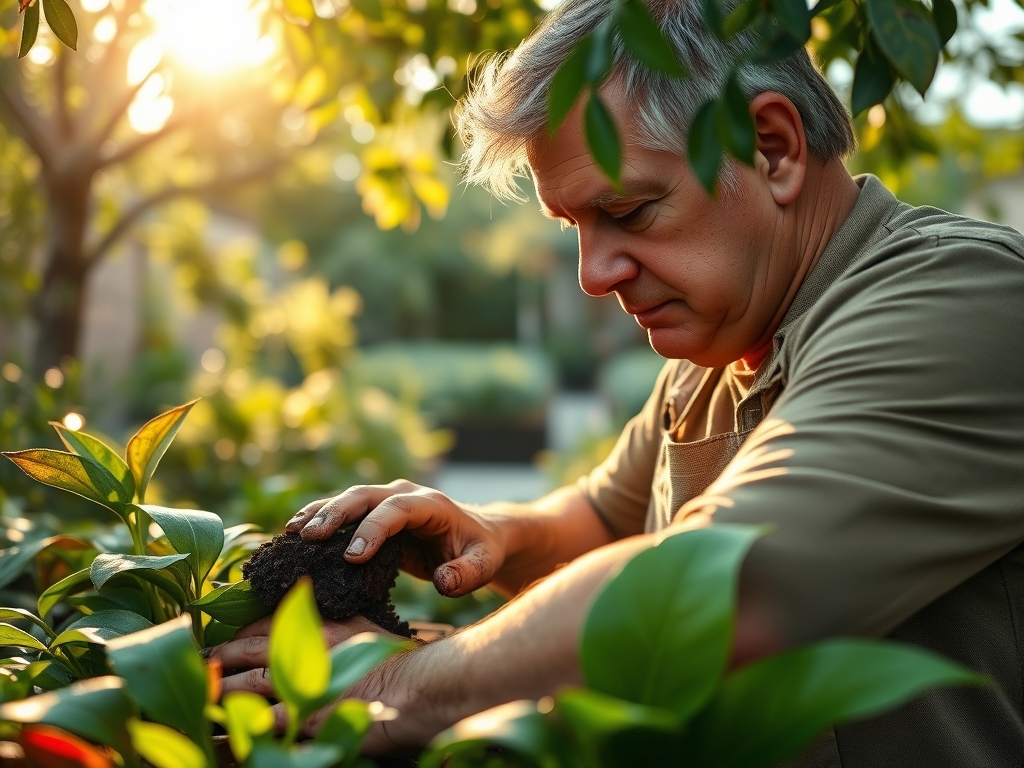
Move specimens into their permanent shelf containers once the root system occupies 75 percent of the current vessel. Avoid "up-potting" into a container more than two inches larger in diameter. Excess soil that is not occupied by roots holds stagnant water, which lowers the oxygen concentration in the rhizosphere.
Pro-Tip: Dust the root ball with mycorrhizal fungi during the move. The biological why: This creates a symbiotic relationship where the fungi extend the reach of the root system, increasing the surface area for phosphorus absorption and water uptake.
Establishing
Once placed on the shelf, do not rotate the plant more than 45 degrees every two weeks. Rapid changes in light orientation can cause mechanical stress as the plant reallocates energy to adjust leaf angles.
Pro-Tip: Group plants with similar transpiration rates together. The biological why: This creates a "community effect" where collective leaf transpiration raises the local relative humidity, reducing the vapor pressure deficit (VPD) and preventing leaf tip desiccation.
The Clinic:
Physiological disorders often mimic disease but are usually rooted in environmental stressors.
-
Symptom: Interveinal Chlorosis (yellowing between green veins).
Solution: Check soil pH. If the pH is above 7.0, iron becomes chemically locked.
Fix-It: Apply chelated iron and adjust the water pH to 6.0 using phosphoric acid. -
Symptom: Leaf Edema (blisters or corky growths on the underside of leaves).
Solution: Reduce irrigation and improve airflow.
Fix-It: Use a small oscillating fan to increase the boundary layer break on the leaf surface, allowing for better transpiration. -
Symptom: Tip Burn or Necrosis.
Solution: This indicates a buildup of mineral salts or low humidity.
Fix-It: Flush the substrate with three times the volume of the pot using distilled water to leach excess salts from the root zone. -
Symptom: Nitrogen Deficiency (uniform yellowing of older leaves).
Solution: The plant is scavenging nitrogen from old growth to support new leaves.
Fix-It: Apply a high-nitrogen fertilizer (NPK 10-5-5) at half strength.
Maintenance:
Precision maintenance is the difference between survival and thriving. Use a soil moisture meter to verify that the top two inches of substrate are dry before adding water. For most tropicals on a shelf, aim for the equivalent of 1.5 inches of water per week, delivered directly to the soil surface to avoid wetting the foliage.
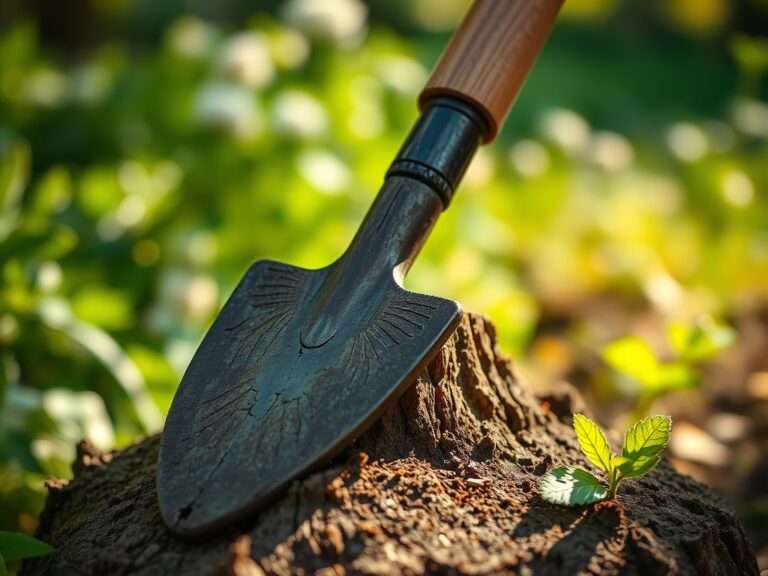
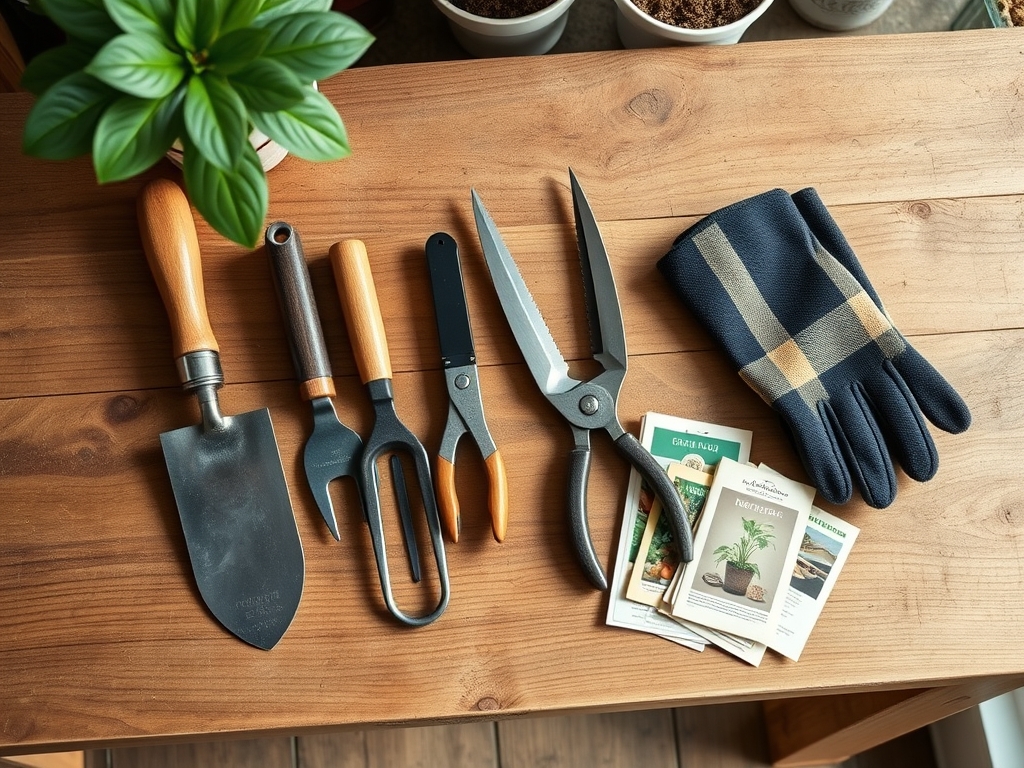
Keep a hori-hori knife for soil aeration and a pair of sharp bypass pruners for removing senescent leaves. Pruning should be done at a 45-degree angle just above a node to encourage branching. Clean your tools with 70 percent isopropyl alcohol between every plant to prevent the mechanical transmission of viral pathogens. Monitor the light levels using a PAR meter; most tropicals require between 100 and 250 micromoles per square meter per second for sustained growth.
The Yield:
If your tropical shelf includes fruiting species like dwarf citrus or ornamental peppers, harvest timing is critical. Use the "Brix" level or color change as an indicator. For foliage plants, the "yield" is the propagation material. When taking cuttings, ensure the parent plant has been well-hydrated for 24 hours prior.
Handle the plant post-harvest by placing cuttings immediately into a high-humidity environment or water. This maintains the "day-one" freshness by preventing the collapse of the xylem vessels. For flowers, cut in the early morning when the plant is at maximum turgidity to ensure the longest possible display life.
FAQ:
How do I increase humidity on a plant shelf?
Group plants closely together and use a dedicated humidifier to maintain 60 to 80 percent humidity. Avoid pebble trays; they rarely provide enough moisture for significant physiological impact. Use a hygrometer to monitor levels daily.
What is the best light for a tropical shelf?
Use full-spectrum LED grow lights that provide a color temperature of 5000K to 6500K. Ensure the lights are positioned 12 to 18 inches above the canopy to prevent heat stress and photoinhibition.
How often should I fertilize tropical plants?
During the active growing season, fertilize every two to four weeks using a balanced liquid fertilizer at half strength. In winter, cease fertilization entirely as the plant's metabolic rate slows and nutrient demand drops.
Why are my plant leaves turning brown at the tips?
This is usually caused by low humidity or "salt burn" from tap water minerals. Use filtered or rain water and maintain a consistent Vapor Pressure Deficit (VPD) to ensure the plant can transpire effectively without drying out.