6 Healthy Benefits of Specialized Cactus Fertilizer
Turgor pressure dictates the structural integrity of a succulent; a healthy specimen feels like cold, pressurized steel under the thumb. When the epidermal cells are fully hydrated and nutrient-dense, the plant resists physical compression and environmental stressors. Achieving this physiological state requires more than just sunlight and sporadic watering. Using a specialized cactus fertilizer ensures the rhizosphere receives a precise balance of macro and micronutrients without the risk of osmotic shock. Standard fertilizers often contain high nitrogen levels that trigger rapid, weak cellular expansion, leading to etiolation and structural collapse. A specialized blend focuses on lower nitrogen and higher potassium to fortify cell walls. This targeted nutrition supports the plant during its active metabolic windows, typically when soil temperatures remain consistently above 65 degrees Fahrenheit. By maintaining a high Cation Exchange Capacity (CEC) in the substrate, these fertilizers allow for efficient nutrient uptake. The result is a plant with a dense cuticle, robust spine development, and the caloric reserves necessary for reproductive success.
Materials:

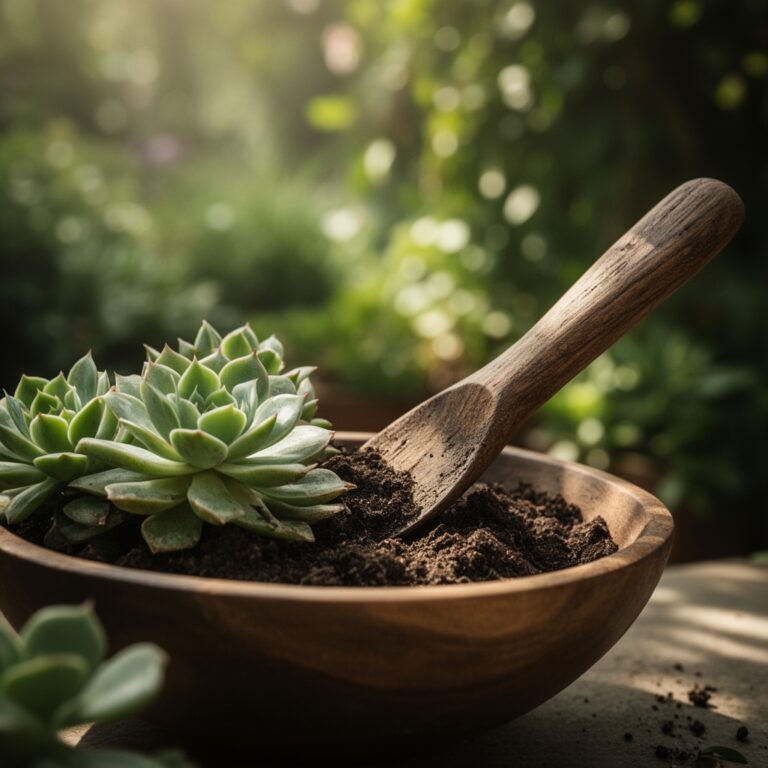
The ideal substrate for Cactaceae must be a friable, mineral-heavy mix with a pH range between 5.5 and 6.5. High acidity or alkalinity will lock out essential micronutrients like iron and manganese. The physical texture should consist of 70 percent inorganic matter, such as pumice, perlite, or decomposed granite, and 30 percent organic matter like aged pine bark. Using a specialized cactus fertilizer with an NPK ratio of 5-10-15 or 1-2-2 is critical. High phosphorus (P) levels stimulate root elongation and floral initiation, while elevated potassium (K) regulates stomatal conductance and water retention. Avoid fertilizers with urea-based nitrogen; cacti lack the high levels of urease enzymes required to break down these complex molecules quickly. Opt for nitrate-based nitrogen for immediate bioavailability.
Timing:
Cacti operate on a strict biological clock dictated by photoperiod and temperature. In Hardiness Zones 8 through 11, the primary growth phase begins as the threat of frost passes, usually between March and April. Do not apply fertilizer if the ambient temperature is below 50 degrees Fahrenheit, as the plant enters a state of dormancy where metabolic activity slows to a crawl. The transition from the vegetative stage to the reproductive stage occurs when day length increases and night temperatures stabilize above 60 degrees. Applying nutrients during this window provides the phosphorus needed for bud differentiation. Stop all fertilization by late September to allow the plant to harden off before winter senescence. Forcing growth with late-season nitrogen increases the water content in the tissues, making the plant susceptible to cellular rupture during a freeze.
Phases:

Sowing
When starting from seed, use a sterile, fine-grit medium. Keep the humidity at 80 percent and temperatures between 75 and 85 degrees Fahrenheit. Seedlings have minimal nutrient requirements for the first six months. Use a 1/8th strength dilution of specialized fertilizer once the first set of true spines appears.
Pro-Tip: Seedlings exhibit high levels of auxin at the apical meristem to drive vertical growth. Early phosphorus application supports the development of a taproot, which establishes the primary hydraulic conduit for the plant.
Transplanting
Move specimens when the root ball occupies 90 percent of the current container. Use a hori-hori knife to gently loosen circling roots. Wait 7 to 10 days before the first watering to allow any root abrasions to callus over, preventing opportunistic fungal pathogens from entering the vascular system.
Pro-Tip: Mycorrhizal symbiosis is essential during transplanting. Introducing beneficial fungi to the root zone increases the surface area for nutrient absorption, specifically helping the plant scavenge for immobile phosphorus.
Establishing
Once the cactus is in its permanent location, monitor for turgor. A well-established plant will show new growth at the apex. Apply specialized fertilizer at half-strength every second watering during the peak growing season. Ensure the water reaches the entire root zone to prevent salt buildup in the upper layers of the soil.
Pro-Tip: Cacti utilize Crassulacean Acid Metabolism (CAM) to conserve water. They open stomata at night to take in CO2. Fertilizing during the day ensures that nutrients are available in the soil solution when the plant begins its nocturnal metabolic processing.
The Clinic:
Physiological disorders in cacti often stem from nutrient imbalances or improper hydration.
Symptom: Chlorosis (yellowing) of new growth.
Solution: This typically indicates a nitrogen deficiency or an iron lockout due to high soil pH. Check pH levels with a digital meter. If the pH is above 7.0, flush the soil with acidified water.
Fix-It: Apply a chelated iron supplement alongside your specialized fertilizer to restore chlorophyll production.
Symptom: Soft, blackened base (Root Rot).
Solution: This is caused by anaerobic conditions in the rhizosphere. Cease watering immediately.
Fix-It: Remove the plant from the soil, excise necrotic tissue with sterilized bypass pruners, and allow it to callus for two weeks before repotting in a high-drainage mineral mix.
Symptom: Corking or scarring at the base.
Solution: While some corking is natural aging, rapid browning can indicate potassium deficiency or mite damage.
Fix-It: Ensure the fertilizer has a minimum of 10 percent potassium to strengthen the epidermal cell walls against environmental friction and pests.
Maintenance:
Precision is the hallmark of professional cactus care. Use a soil moisture meter to ensure the substrate is 100 percent dry before adding water. For an established 10-inch globular cactus, apply approximately 1.5 liters of water at the drip line every 14 to 21 days during summer. This mimics the pulse-reserve moisture patterns of arid environments. Use a hori-hori knife to remove weeds that compete for the limited Cation Exchange Capacity of the soil. Every six months, flush the pot with a volume of water equal to three times the pot size to leach out accumulated mineral salts that can burn sensitive root hairs.
The Yield:
For flowering species like Mammillaria or Echinopsis, the yield is the floral display. To maximize bloom duration, increase the frequency of high-potassium fertilizer applications as buds form. Once the flowers open, move the plant out of direct, mid-day sun to prevent petal scorch and prolong the life of the bloom. If harvesting fruit from species like Opuntia, wait until the fruit is deep purple and yields slightly to pressure. Use tongs to harvest to avoid glochids. Post-harvest, keep fruit at 40 degrees Fahrenheit to maintain a crisp texture and prevent sugar fermentation.
FAQ:
How often should I use specialized cactus fertilizer?
Apply fertilizer once every 4 to 6 weeks during the active growing season, typically from spring through late summer. Always dilute the formula to half-strength to prevent root burn and salt accumulation in the mineral-heavy substrate.
Can I use regular all-purpose fertilizer for my cactus?
No. All-purpose fertilizers often contain high nitrogen levels that cause weak, elongated growth and lack the specific micronutrient profiles, such as magnesium and sulfur, that cacti require for thick cuticle development and long-term structural stability.
What are the signs of over-fertilization in succulents?
Over-fertilization manifests as white crusting on the soil surface, yellowing of the plant base, or sudden, split-like growth cracks in the epidermis. If these symptoms appear, flush the soil with distilled water to remove excess mineral salts.
Do indoor cacti need the same fertilizer schedule?
Indoor cacti grow slower due to lower light intensity. Reduce fertilization frequency to once every 8 to 12 weeks. Only fertilize when the plant shows active signs of growth at the apical meristem to avoid nutrient toxicity.