7 Rot-Prevention Benefits of Specialized Succulent Soil
The scent of a healthy succulent collection is not one of damp rot or stagnant water; it is the clean, metallic aroma of dry minerals and the crisp snap of leaves under high turgor pressure. When a plant lacks this structural integrity, the cause is almost always found in the rhizosphere. Using a specialized succulent soil ensures that the delicate root hairs are not smothered by anaerobic conditions. Standard potting mixes often retain water for ten to fourteen days, which is a death sentence for most Crassulaceae or Cactaceae species. These plants require a substrate that mimics their native arid environments, where water moves through the profile in minutes rather than hours. By focusing on pore space and mineral density, you provide the physical framework necessary for gas exchange. This gas exchange prevents the buildup of carbon dioxide and ethanol, which are the primary precursors to fungal pathogens like Phytophthora. Using a specialized succulent soil creates a hydraulic conductivity that standard peat-based mixes cannot achieve. This technical adjustment is the difference between a plant that merely survives and one that thrives with robust, waxy cuticles and firm cellular walls.
Materials:
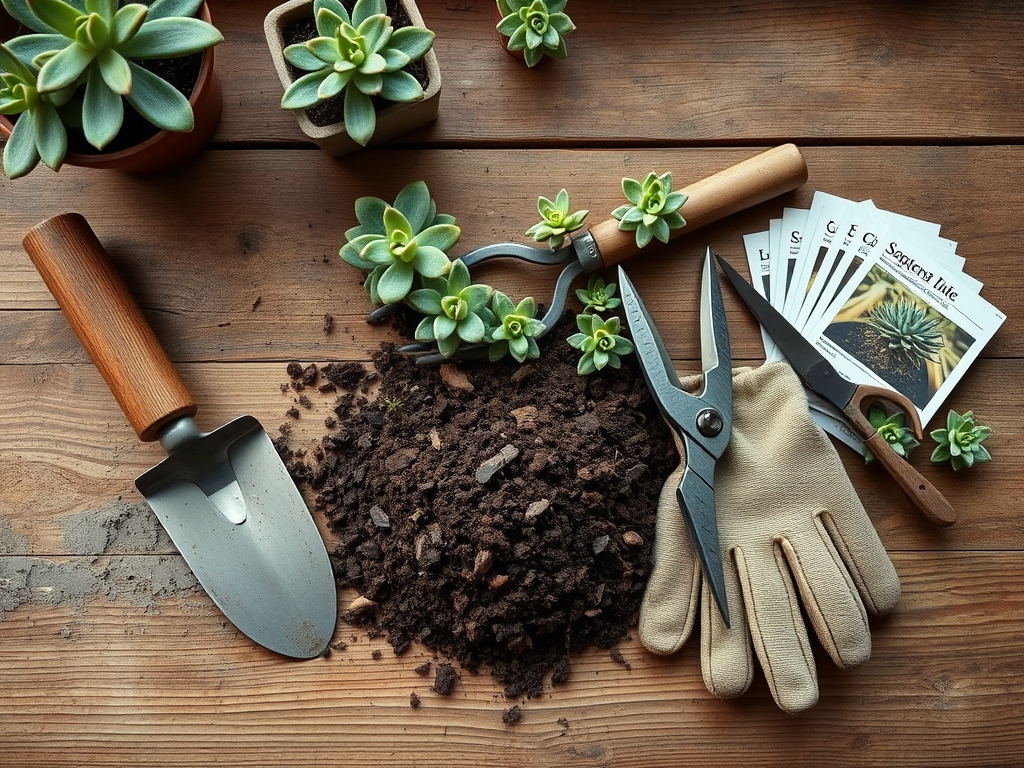
The ideal substrate for succulents is a **friable loam** characterized by high macroporosity and low organic matter. Aim for a soil pH between **5.5 and 6.5**, as this range optimizes the availability of micronutrients like iron and manganese. The NPK ratio for the initial mix should be low in nitrogen to prevent weak, etiolated growth; a ratio of **1-2-2** is preferred for long-term stability.
Physical components must include:
- Pumice or Perlite (40%): Provides aeration and prevents compaction.
- Coarse Sand or Poultry Grit (30%): Increases the bulk density and improves drainage.
- Coconut Coir or Sifted Pine Bark (30%): Offers a low Cation Exchange Capacity (CEC) to hold minimal nutrients without retaining excessive moisture.
- Specific NPK: Look for a slow-release formula such as 2-7-7 for established plants to support root development over foliage expansion.
Timing:
Succulent metabolism is dictated by the biological clock, specifically the transition between the vegetative phase and dormancy. In Hardiness Zones 9 through 11, these plants can remain outdoors year-round, but in Zones 3 through 8, they must be moved indoors before the first frost. The critical window for repotting or "Using a specialized succulent soil" is during the early spring, approximately two to three weeks before the last expected frost date. This timing aligns with the plant's emergence from dormancy, when metabolic rates increase and root regeneration is at its peak. Avoid major soil changes during the heat of mid-summer (above 90 degrees Fahrenheit) or the depth of winter, as the plant's ability to heal damaged root tissue is significantly diminished during these periods of physiological rest.
Phases:

Sowing
When starting from seed, use a sterilized version of the specialized mix. Surface-sow the seeds and maintain a consistent temperature of 70 to 75 degrees Fahrenheit. Use a fine mist to hydrate the top 0.25 inches of the substrate.
Pro-Tip: Maintaining high humidity during the initial germination phase is vital because succulent seedlings lack the protective waxy cuticle of adults. This allows for maximum turgor pressure during the delicate cellular expansion phase.
Transplanting
Remove the plant from its old container and gently tease the roots to remove spent media. If you encounter "circling roots," use a sterilized hori-hori knife to make small vertical nicks. Place the plant in the specialized soil, ensuring the crown sits exactly at the soil line to prevent stem rot.
Pro-Tip: Wait three to five days before watering after a transplant. This delay allows for "callousing" of broken root tissues, preventing opportunistic pathogens from entering the vascular system through open wounds.
Establishing
During the first 21 to 30 days, monitor the plant for signs of new growth at the apical meristem. Ensure the plant receives at least six hours of bright, indirect light to prevent stretching.
Pro-Tip: Avoid high-nitrogen fertilizers during establishment to prevent auxin suppression. Low nitrogen levels encourage the plant to allocate energy toward a robust, expansive root system rather than rapid, weak leaf growth.
The Clinic:
Physiological disorders in succulents are often mistaken for pests. Understanding the chemical and physical signals of the plant is essential for a correct diagnosis.
- Symptom: Yellowing of lower leaves (Chlorosis).
- Solution: Check for Nitrogen deficiency. If the soil is older than two years, the Cation Exchange Capacity may be exhausted. Apply a balanced liquid fertilizer at half strength.
- Symptom: Soft, translucent, or blackened stems at the base.
- Solution: This indicates "damping off" or root rot. Immediately remove the plant from the soil, excise the necrotic tissue with bypass pruners, and repot into fresh, dry specialized soil.
- Symptom: Corking or tan, crusty patches on the skin.
- Solution: This is often a sign of edema caused by rapid water uptake during high humidity. Increase airflow and reduce watering frequency to stabilize cellular pressure.
Fix-It Section: For Magnesium deficiency (interveinal chlorosis), apply a solution of one tablespoon of Epsom salts per gallon of water once during the active growing season to restore chlorophyll production.
Maintenance:
Precision is the hallmark of professional succulent care. Use a soil moisture meter to ensure the substrate is dry to a depth of 2.0 inches before adding water. When watering, apply approximately 1.5 inches of water directly to the soil surface, avoiding the leaves to prevent fungal spotting. Use a hori-hori knife to occasionally probe the soil and check for compaction; if the blade does not slide in easily, the soil may need to be aerated. Prune dead or senescing leaves using bypass pruners that have been sterilized with 70% isopropyl alcohol. This prevents the accumulation of organic debris, which can harbor pests or mold.
The Yield:
While most succulents are grown for aesthetics, some species like Aloe vera or Opuntia provide a harvest. For Aloe, select the outermost, mature leaves. Use a sharp blade to cut at the base of the leaf. To maintain "day-one" freshness, stand the leaf upright in a container for 15 minutes to allow the yellow aloin sap to drain. For Opuntia fruit, harvest when the color is deep purple or red and the fruit yields slightly to pressure. Use tongs to avoid glochids and store in a cool, dry environment at 45 to 50 degrees Fahrenheit.
FAQ:
Why does my succulent soil feel gritty?
The grit consists of minerals like pumice or granite. These materials create large "macropores" that allow oxygen to reach the roots and prevent water from lingering, which is the primary defense against root rot and fungal pathogens.
How often should I change specialized soil?
Replace the substrate every two to three years. Over time, even the best mineral mixes break down and accumulate salts from fertilizers, which can lower the soil pH and impede the plant's ability to absorb essential nutrients.
Can I use regular potting soil for succulents?
Regular soil retains too much moisture and lacks the necessary aeration. This leads to anaerobic conditions in the rhizosphere, causing the roots to suffocate and eventually rot, regardless of how infrequently you water the plant.
What is the best NPK for succulents?
A low-nitrogen, high-phosphorus, and high-potassium ratio is ideal, such as 5-10-10 or 2-7-7. This formula supports strong root systems and flowering without causing the weak, elongated growth associated with high-nitrogen fertilizers.