10 Best Plants for Coastal Wind
The scent of aerosolized salt spray and damp, sandy loam signals a high-stress environment where only the most resilient cultivars survive. Coastal gardening demands more than aesthetic selection; it requires an understanding of turgor pressure and the mechanical strength of cell walls. Wind-driven salt induces physiological drought by pulling moisture out of leaf tissues through osmosis. Selecting the best plants for coastal wind necessitates a focus on species with thick cuticles, flexible lignified stems, or silver, hairy foliage that traps a boundary layer of air. These adaptations allow the plant to maintain metabolic function despite constant desiccation and mechanical shearing. Success in the littoral zone depends on the structural integrity of the plant and its ability to anchor deeply into porous substrates. We prioritize species that thrive in Hardiness Zones 7 through 10, where the maritime influence moderates temperature but increases atmospheric salinity. Every selection must demonstrate a high tolerance for sodium chloride and the physical force of gale-force gusts.
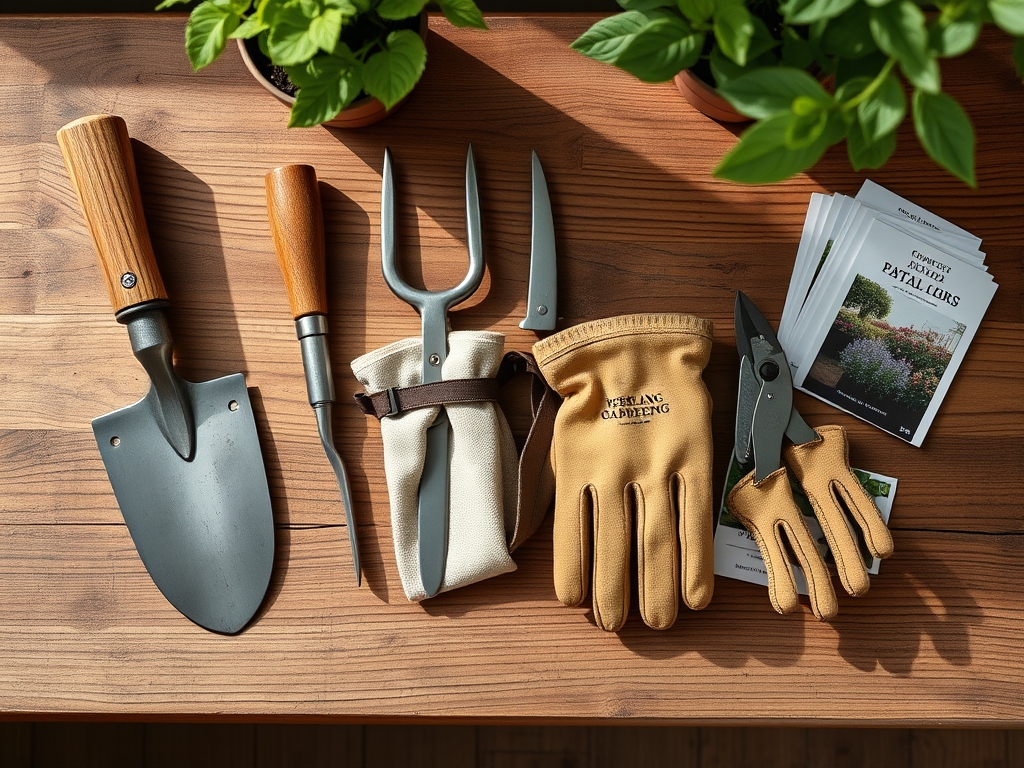
Materials:
Coastal soils are frequently characterized by high sand content and low **Cation Exchange Capacity (CEC)**, meaning they struggle to retain essential nutrients like ammonium and potassium. The ideal substrate is a **friable loam** with a sand-to-silt ratio that ensures rapid drainage while maintaining enough organic matter to support the rhizosphere. Aim for a **soil pH between 6.0 and 7.5**. If the pH exceeds 8.0, iron and manganese become chemically unavailable, leading to interveinal chlorosis.
For established coastal shrubs and perennials, use a balanced, slow-release fertilizer with an NPK ratio of 10-10-10. In sandy soils, nitrogen leaches rapidly; therefore, organic amendments like well-rotted compost or kelp meal are superior to synthetic salts. Apply a 2-inch layer of wood chip mulch to suppress evaporation and prevent the wind from eroding the topsoil. Ensure the mulch does not touch the base of the stems to avoid fungal pathogens in the crown.
Timing:
Successful establishment depends on the Biological Clock of the plant. In coastal regions, the window for planting opens in early autumn or late winter. This allows the root system to colonize the soil before the heat of summer increases the transpiration rate. Most coastal species enter their vegetative stage when soil temperatures reach 55 degrees Fahrenheit.
In Hardiness Zones 8 and 9, the frost-free window typically begins in mid-March. Avoid planting during periods of high wind or extreme heat, as the young specimen cannot replace water lost through its stomata quickly enough to maintain turgor. Transition from the vegetative to the reproductive stage is governed by the photoperiod; many coastal heathers and grasses will begin flowering as day lengths shift, provided they have accumulated enough chilling hours during the winter dormancy period.
Phases:

Sowing and Species Selection
The ten most reliable species for high-wind coastal zones include Pinus nigra (Austrian Pine), Hippophae rhamnoides (Sea Buckthorn), Armeria maritima (Sea Thrift), Festuca glauca (Blue Fescue), Olearia x haastii (Daisy Bush), Eleagnus ebbingei, Eryngium maritimum (Sea Holly), Phormium tenax (New Zealand Flax), Tamarix ramosissima, and Rosmarinus officinalis (Rosemary). When sowing seeds for species like Armeria, maintain a constant temperature of 65 degrees Fahrenheit.
Pro-Tip: Use a mycorrhizal inoculant during sowing. This establishes a mycorrhizal symbiosis where fungal hyphae extend the root surface area by up to 1,000 times, significantly increasing the plant's ability to uptake phosphorus and water in nutrient-poor coastal sands.
Transplanting
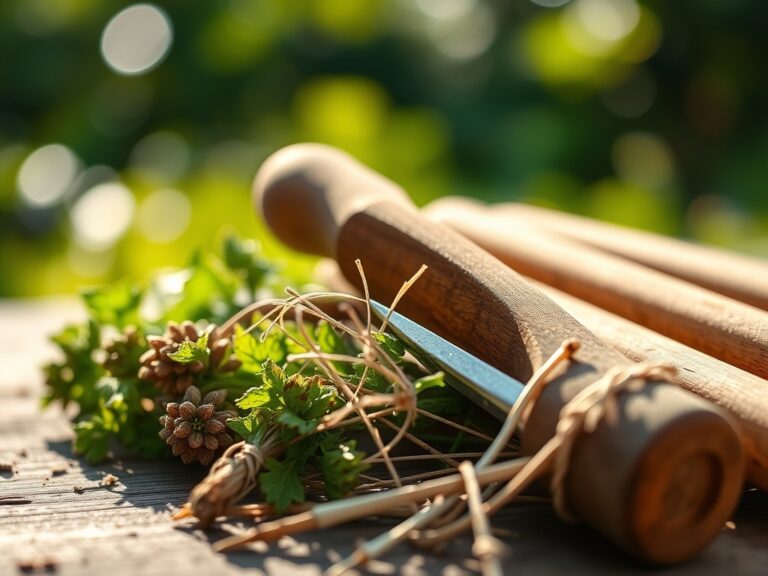
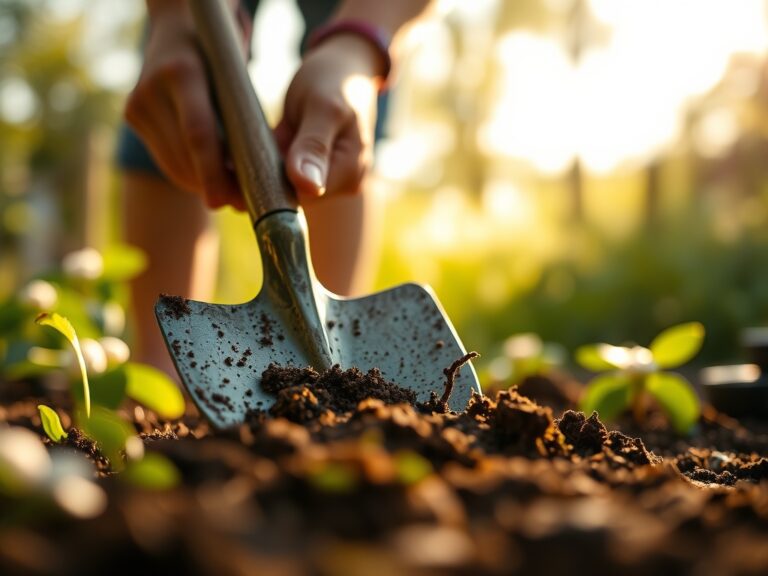
Dig a hole twice as wide as the root ball but no deeper. Use a hori-hori knife to score the sides of the root ball if the plant is pot-bound; this breaks the circular growth pattern and encourages lateral root expansion. Ensure the root flare is level with the soil surface.
Pro-Tip: Avoid heavy pruning at the time of transplanting. Maintaining the apical meristem preserves auxin suppression of lateral buds, which focuses the plant's energy on root development rather than immediate canopy expansion.
Establishing
During the first six months, the plant is vulnerable to mechanical failure. Stake larger shrubs or trees using flexible ties that allow for slight movement. This movement stimulates the production of reaction wood, which increases the girth and strength of the trunk through a process called thigmomorphogenesis.
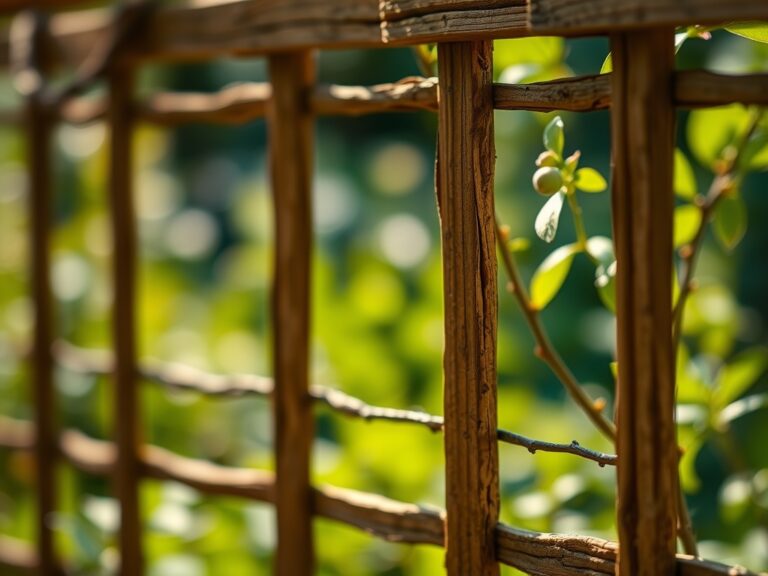
Pro-Tip: Apply a temporary windbreak using burlap or silt fencing. This reduces the wind speed around the plant, lowering the vapor pressure deficit (VPD) and preventing the young leaves from reaching their permanent wilting point.
The Clinic:
Coastal plants face unique physiological stressors. Monitor your specimens for these specific disorders:
- Symptom: Brown, crispy leaf margins on the windward side.
- Solution: This is Salt Burn. Increase irrigation frequency to leach accumulated salts from the root zone and install a physical barrier to deflect salt spray.
- Symptom: Yellowing of new growth while veins remain green.
- Solution: Iron Chlorosis caused by high pH. Apply chelated iron to the soil and incorporate elemental sulfur to lower the pH to a range of 6.5.
- Symptom: Stunted growth and "Witches' Broom" (excessive branching).
- Solution: Mechanical damage to the apical meristem from wind. Prune back to a healthy node using bypass pruners to redirect growth.
- Symptom: Soft, rotting tissue at the soil line.
- Solution: Crown Rot from poor drainage. Incorporate horticultural grit or perlite into the soil to improve macropore space and oxygen availability.
Maintenance:
Precision is required for coastal maintenance. Use a soil moisture meter to ensure the root zone remains at 40 to 60 percent field capacity. Provide 1.5 inches of water per week at the drip line during the first two growing seasons. For established woody plants like Pinus nigra, prune only during the dormant season to minimize sap loss and avoid attracting boring insects. Use bypass pruners for clean cuts that heal quickly. For ornamental grasses like Festuca glauca, shear the foliage to 3 inches in late winter to remove dead matter and allow sunlight to reach the crown. This prevents the center of the clump from dying out due to lack of light and airflow.
The Yield:
For coastal herbs like Rosemary or fruiting shrubs like Sea Buckthorn, harvest timing is critical for nutrient density. Harvest Rosemary sprigs in the morning after the dew has evaporated but before the sun reaches its zenith; this is when essential oil concentration is highest. For Sea Buckthorn berries, wait until the first light frost, which increases the sugar-to-acid ratio. Use sharp snips to avoid tearing the bark. For flowers like Sea Thrift, deadhead spent blooms to prevent the plant from diverting energy into seed production, which extends the flowering period through the summer.
FAQ:
What is the best NPK ratio for coastal plants?
Use a 10-10-10 balanced slow-release fertilizer. Coastal soils leach nutrients quickly, so organic matter like compost or seaweed extract is essential to improve Cation Exchange Capacity and provide micronutrients like magnesium and sulfur.
How do I protect new plants from salt spray?
Establish a primary windbreak using salt-tolerant species like Eleagnus or Tamarix. Alternatively, use burlap screens for the first two seasons to reduce the vapor pressure deficit and prevent salt-induced desiccation of the foliage.
Which plants are most wind-resistant?
Species with small, leathery leaves or flexible stems perform best. Phormium tenax, Armeria maritima, and Pinus nigra are top choices. Their structural adaptations allow them to bend without breaking and resist water loss from high-velocity winds.
How often should I water coastal gardens?
Provide 1.5 inches of water per week during the establishment phase. Use a soil moisture meter to monitor the rhizosphere. Sandy soils drain rapidly; therefore, deep, infrequent watering is more effective than shallow, daily sprinkling.
Why are my coastal plants turning yellow?
This is often Iron Chlorosis caused by alkaline soil (high pH). In coastal areas, shell fragments can raise pH above 7.5, making iron unavailable. Apply elemental sulfur or chelated iron to restore leaf color and metabolic function.