8 Dusting Steps for Treating Powdery Mildew with Sulfur
Healthy foliage exhibits high turgor pressure; the cells are rigid and the leaf surfaces feel cool to the touch due to active transpiration. When Erysiphe cichoracearum or Podosphaera xanthii colonize the leaf surface, this cellular efficiency collapses. The first sign is often a faint white mycelial mat that disrupts photosynthesis and increases water loss. Implementing the correct steps for treating powdery mildew with sulfur requires a scientific approach to timing and application to prevent leaf scorch. Sulfur acts as a multisite fungicide that disrupts the metabolic processes of the fungi. It must be applied before the infection reaches the vascular system of the plant. A successful treatment plan relies on understanding the relationship between ambient temperature and chemical reactivity. Applying sulfur when temperatures exceed 90 degrees Fahrenheit will cause phytotoxicity; the sulfur reacts with leaf oils to create sulfuric acid, burning the tissue. Precision in application ensures the plant maintains its metabolic rate while the fungal pathogens are neutralized.
Materials:

To manage powdery mildew effectively, the plant must be supported by a robust substrate. A **friable loam** with a **Cation Exchange Capacity (CEC) of 15 to 25 meq/100g** provides the necessary reservoir for nutrients. Before applying sulfur, ensure the soil pH is between **6.0 and 7.0**. High alkalinity can interfere with sulfur uptake. Use a balanced **10-10-10 NPK ratio** for general maintenance; however, if the plant is in a reproductive stage, shift to a **5-10-10 NPK** to prioritize phosphorus for bloom and root strength rather than excessive nitrogen-driven vegetative growth. You will need a **fine-mesh mechanical duster**, **90 percent elemental sulfur dust**, and **protective goggles**. The sulfur should be pharmaceutical grade to ensure a particle size small enough to adhere to the microscopic hyphae of the fungus.
Timing:
The window for sulfur application is dictated by the hardiness zone and the specific biological clock of the host plant. In USDA Zones 5 through 8, the peak infection period occurs when humidity is high but leaf surfaces remain dry. Monitor your local frost-date windows; sulfur should not be applied within four weeks of the first expected frost to avoid stressing the plant during its transition to dormancy. The biological clock of the plant is critical. During the transition from the vegetative stage to the reproductive stage, the plant redirects sugars to fruit or flower production, often weakening its immune response to powdery mildew. Apply sulfur at the first sign of white spots during this transition. Avoid application during peak solar radiation; the ideal window is between 6:00 AM and 9:00 AM when dew has just evaporated but temperatures remain below 80 degrees Fahrenheit.
Phases:

Sowing and Site Preparation
Before seeds hit the soil, the rhizosphere must be optimized. Ensure a planting distance that allows for 360-degree airflow. Crowded plants create a microclimate of stagnant air that facilitates fungal spore germination.
Pro-Tip: Proper spacing prevents the "boundary layer effect." When air is stagnant, the layer of humidity surrounding the leaf increases, which triggers spore germination through a process called hydrotropism.
Transplanting and Initial Monitoring
When moving seedlings from a greenhouse to the field, ensure they have reached a four-leaf stage. Inspect the undersides of the leaves for early mycelial growth. If the plant shows signs of transplant shock, delay sulfur treatment by 48 hours to allow turgor pressure to stabilize.
Pro-Tip: Use a seaweed-based kelp meal to stimulate auxin production during transplanting. High auxin levels promote rapid root elongation, which helps the plant outpace fungal colonization by maintaining a high metabolic rate.
Establishing the Sulfur Barrier
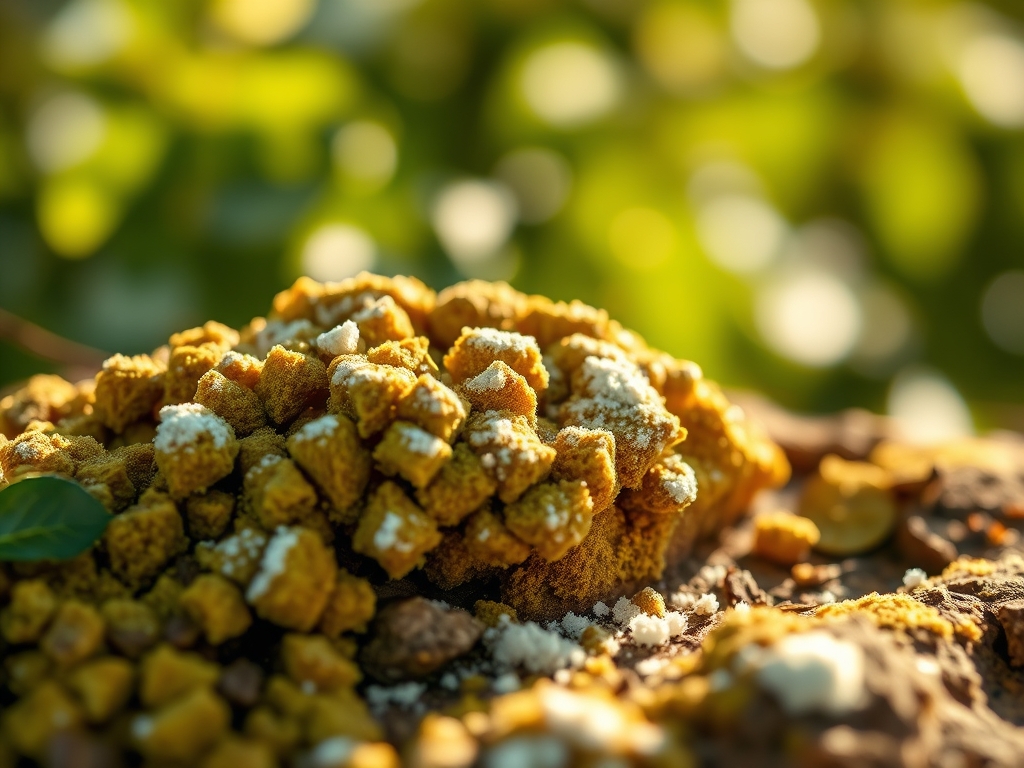
The first step in the 8 steps for treating powdery mildew with sulfur is the mechanical dusting. Load the duster with elemental sulfur. Position the nozzle at a 45-degree angle to ensure coverage on both the adaxial (top) and abaxial (bottom) surfaces of the leaf.
Pro-Tip: Sulfur works through vapor action. As the sulfur particles sit on the leaf, they slowly release gas that penetrates the fungal cell walls. This is a form of oxidative stress that prevents the fungus from respiring.
The Clinic:
Physiological disorders often mimic fungal infections. Use this diagnostic guide to differentiate.
Symptom: Interveinal chlorosis (yellowing between green veins).
Solution: This is likely a Magnesium deficiency, not powdery mildew. Apply Epsom salts at a rate of 1 tablespoon per gallon of water.
Symptom: Necrotic spots on leaf margins.
Solution: Potassium deficiency. This reduces the plant's ability to regulate stomatal opening. Increase Potassium sulfate (0-0-50) application.
Symptom: White, rub-off-able powder on the upper leaf surface.
Solution: Powdery Mildew. Execute the sulfur dusting protocol immediately.
Fix-It for Nitrogen Chlorosis: If the entire leaf turns pale green or yellow, the plant lacks Nitrogen. Apply a liquid 20-0-0 fertilizer as a foliar spray for rapid uptake, but wait 72 hours after a sulfur treatment to avoid chemical reactions.
Maintenance:
Consistent hydration is the foundation of plant health. Use a soil moisture meter to ensure the root zone remains at 60 percent field capacity. Most garden plants require 1.5 inches of water per week applied directly at the drip line. Avoid overhead irrigation; wet leaves are a catalyst for other pathogens like Downy Mildew. Use a hori-hori knife to remove weeds that compete for nutrients and host alternate fungal spores. If the infection persists, use bypass pruners to remove the most heavily infected leaves. Sanitize the blades with 70 percent isopropyl alcohol between every cut to prevent cross-contamination. Monitor the Cation Exchange Capacity annually to ensure the soil can still hold onto the sulfur and other essential minerals.
The Yield:
Harvesting should occur when the plant has reached peak physiological maturity. For fruiting crops like squash or grapes, check the Brix level using a refractometer. A high sugar content indicates the plant has successfully diverted energy away from fighting the mildew and into the fruit. Harvest in the cool of the morning to preserve cell turgor. Use sharp pruners to make clean cuts; jagged edges are entry points for post-harvest decay. For day-one freshness, move the harvest immediately to a shaded area with a temperature of 55 degrees Fahrenheit to slow the rate of respiration and prevent wilting.
FAQ:
How often should I apply sulfur for powdery mildew?
Apply sulfur every 7 to 14 days depending on the severity of the infection and rainfall. If more than 0.5 inches of rain occurs, reapply the dust immediately once the foliage is dry to maintain the protective barrier.
Can I use sulfur on all plants?
No. Sulfur is toxic to "sulfur-shy" plants like Cucurbits (melons), apricots, and raspberries. Always test a single leaf and wait 24 hours for signs of necrosis before treating the entire plant.
What is the maximum temperature for sulfur application?
Do not apply sulfur when temperatures exceed 90 degrees Fahrenheit (32 degrees Celsius). High heat causes the sulfur to volatilize too quickly, leading to severe leaf burn and permanent cellular damage to the plant.
Is sulfur effective against all garden molds?
Sulfur is a specialist for powdery mildew and certain mites. It is not effective against Downy Mildew or systemic bacterial wilts. Accurate identification of the pathogen is required before beginning a chemical treatment program.