9 Pro Tips How to Grow Holy Basil
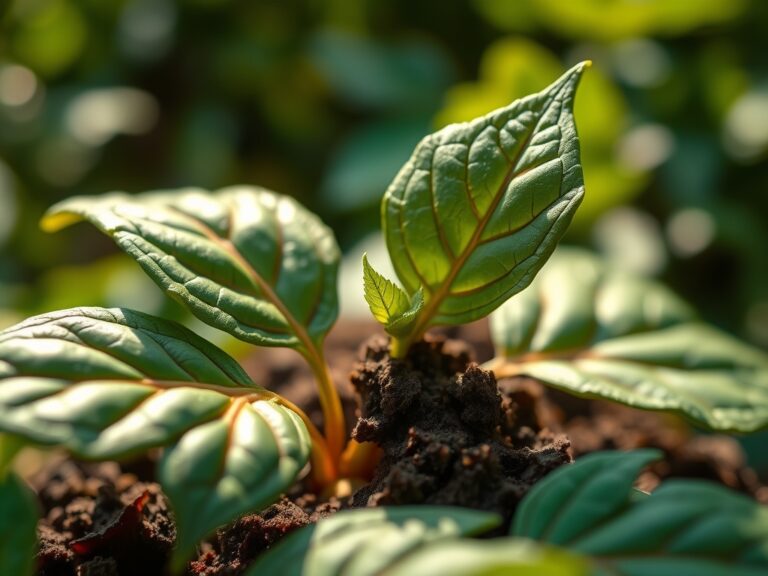
Crush a leaf of Ocimum tenuiflorum between your thumb and forefinger and the immediate release of eugenol and methyl chavicol signals a successful harvest. The scent is sharp; it carries notes of clove and peppermint that linger on the skin. Achieving this level of essential oil density requires precise environmental control. When learning how to grow holy basil, the objective is to maximize leaf turgor and secondary metabolite production through rigorous soil management and light exposure. This plant does not tolerate neglect. It demands a substrate with high porosity and a consistent thermal profile to maintain its metabolic rate. Success is measured by the thickness of the cuticle and the deep pigmentation of the foliage. If the plant becomes leggy or the leaves pale, the physiological balance has shifted toward stress. Mastery of this species requires a move away from casual gardening toward technical horticulture. You must manage the rhizosphere with the same intensity that you monitor the photoperiod.
Materials:
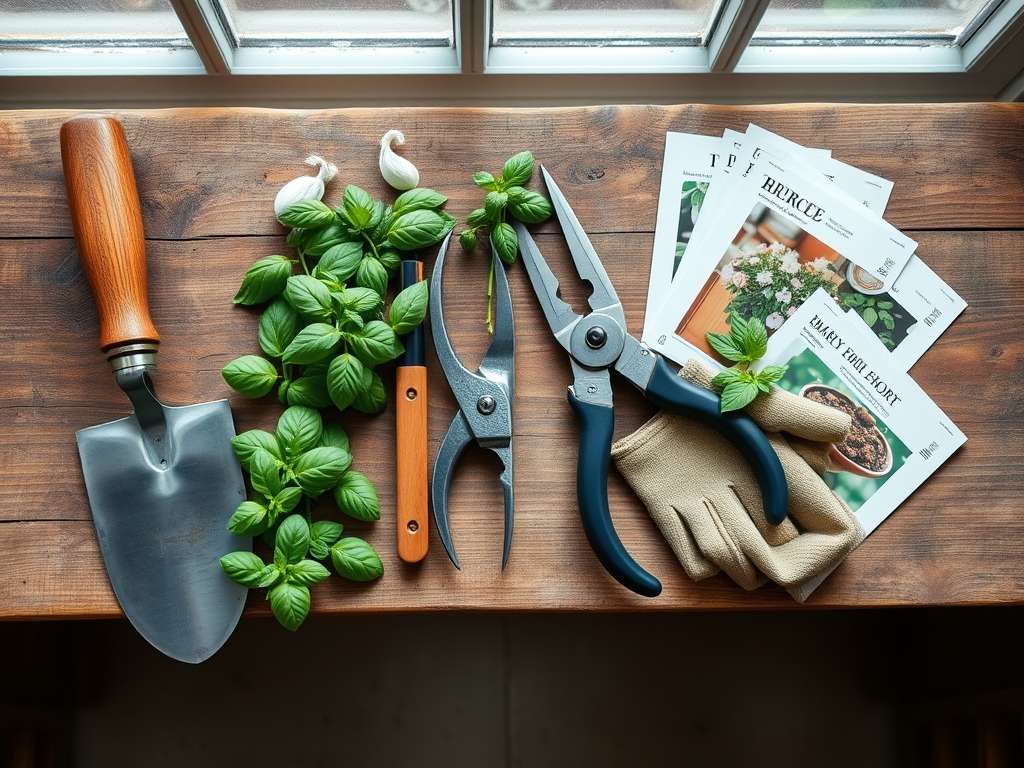
The foundation of a high-yield holy basil crop is a friable loam with a high Cation Exchange Capacity (CEC). This ensures the soil can hold and exchange essential mineral cations like calcium, magnesium, and potassium. Aim for a soil pH between 6.0 and 7.5. If your soil is too acidic, the availability of phosphorus and magnesium drops; if it is too alkaline, iron and manganese become locked away.
For nutrient management, use a balanced NPK ratio of 10-10-10 during the initial vegetative stage. As the plant matures, shift toward a 5-10-10 ratio to support root development and oil production without over-stimulating soft, nitrogen-heavy growth that attracts pests. Incorporate organic matter such as well-aged compost to improve the aggregate stability of the soil. This prevents compaction and allows for maximum oxygen diffusion to the root zone. You will also need a soil moisture meter to ensure the substrate remains at a consistent 60 percent to 70 percent field capacity.
Timing:
Holy basil is a tropical perennial often grown as an annual in temperate climates. It is strictly limited to USDA Hardiness Zones 10 and 11 for year-round outdoor growth. In all other zones, you must wait until the threat of frost has completely passed. The biological clock of this plant is governed by soil temperature; do not transplant until the soil consistently registers at least 70 degrees Fahrenheit (21 degrees Celsius).
The transition from the vegetative stage to the reproductive stage (flowering) is triggered by both age and environmental stress. In most cultivars, this occurs 80 to 100 days after germination. If you are growing for leaf biomass, you must intervene before the plant enters senescence, which is the final stage of the life cycle where energy is diverted from leaf production to seed set.
Phases:
Sowing
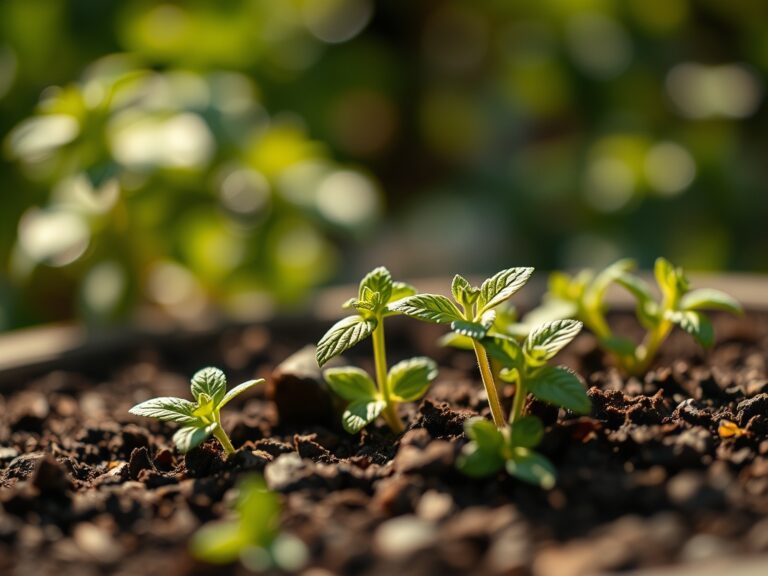
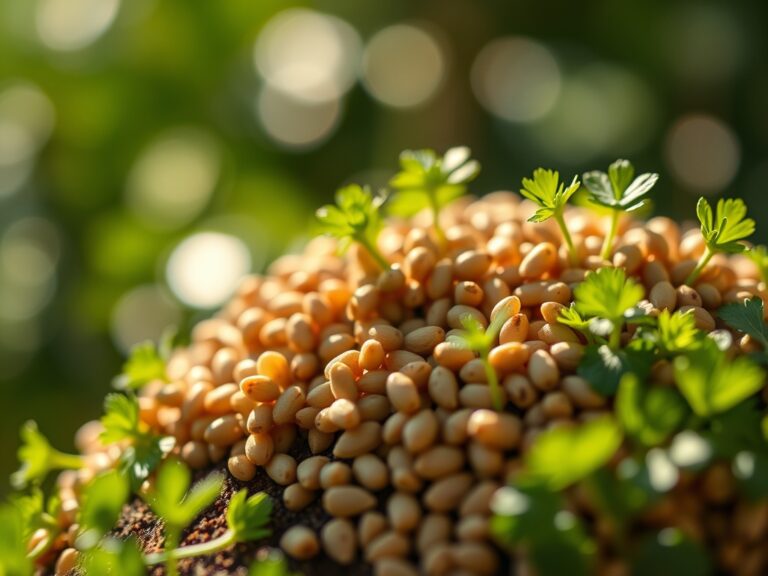
Surface-sow seeds in a sterile starting mix. These seeds are photoblastic, meaning they require light to trigger the germination process. Do not bury them; press them lightly into the surface to ensure good seed-to-soil contact. Maintain a constant temperature of 75 degrees Fahrenheit.
Pro-Tip: Use a heat mat to maintain bottom heat. This accelerates the metabolic rate of the embryo, reducing the time to emergence and minimizing the risk of "damping off" caused by fungal pathogens in the soil.
Transplanting
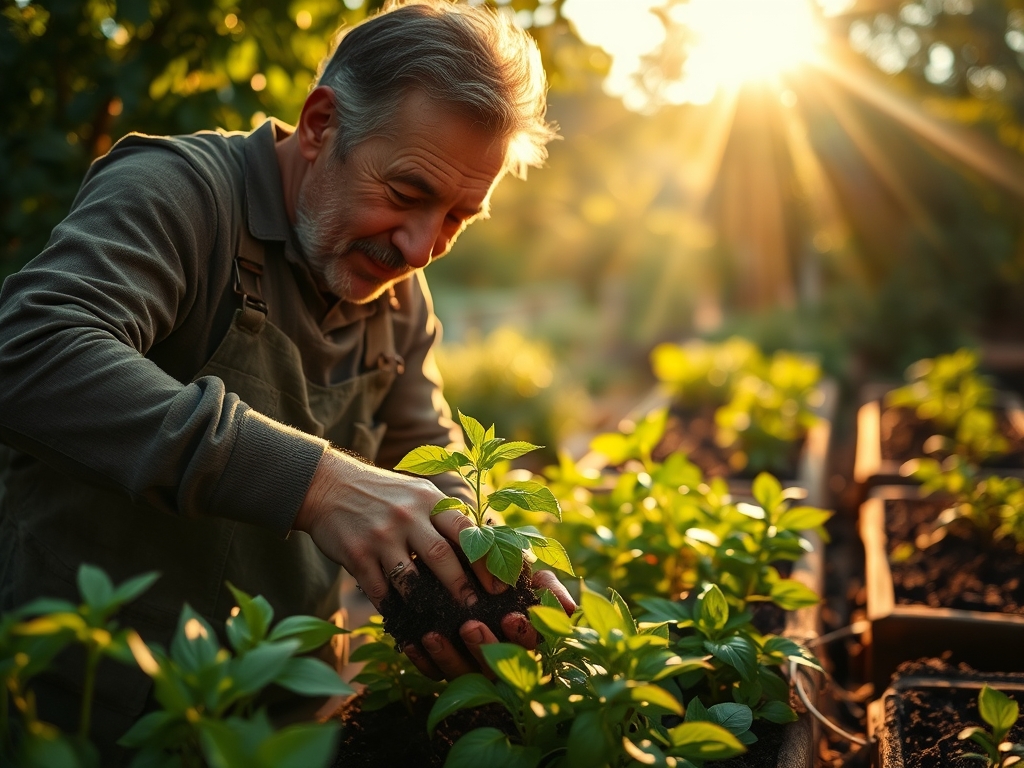
Move seedlings once they have developed at least two sets of true leaves. Space plants 18 to 24 inches apart to allow for adequate airflow. This prevents the buildup of humidity within the canopy, which can lead to foliar diseases.
Pro-Tip: Inoculate the root ball with mycorrhizal fungi during transplant. This symbiotic relationship extends the reach of the root system, allowing the plant to access phosphorus and water that would otherwise be out of reach in the bulk soil.
Establishing
During the first three weeks post-transplant, focus on structural integrity. Use bypass pruners to pinch off the terminal bud once the plant reaches 6 inches in height.
Pro-Tip: Pinching the terminal bud disrupts apical dominance. By removing the source of auxins at the tip, you stimulate the lateral buds to grow, resulting in a bushier, more productive plant rather than a single tall stalk.
The Clinic:
Symptom: Interveinal Chlorosis
Diagnosis: Magnesium Deficiency. The older leaves turn yellow between the veins while the veins remain green.
Fix-It: Apply a foliar spray of magnesium sulfate (Epsom salts) at a rate of 1 tablespoon per gallon of water. This bypasses the soil and delivers magnesium directly to the chlorophyll molecules.
Symptom: Stunted Growth and Purple Undersides
Diagnosis: Phosphorus Deficiency. This often occurs in cold soils where phosphorus uptake is chemically inhibited.
Fix-It: Increase soil temperature using black plastic mulch and apply a high-phosphorus liquid fertilizer (e.g., 0-20-0) to the root zone.
Symptom: Leaf Tip Burn
Diagnosis: Tip burn is often a sign of calcium deficiency or erratic watering. Calcium is immobile in the plant and moves only through the transpiration stream.
Fix-It: Ensure consistent moisture levels. Use a soil moisture meter to maintain steady hydration, ensuring the plant can transport calcium to the new growth points.
Maintenance:
Precision watering is the difference between a thriving plant and a struggling one. Holy basil requires approximately 1.5 inches of water per week, delivered directly to the drip line (the area directly under the outer circumference of the branches). Avoid overhead irrigation; wetting the foliage increases the risk of downy mildew and leaf spot.
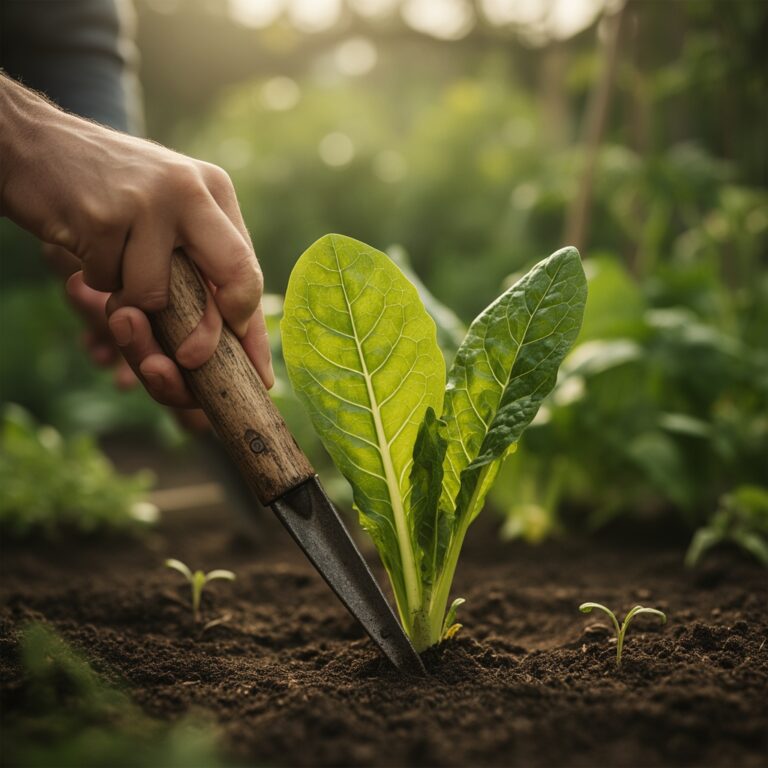
Use a hori-hori knife to remove competing weeds within a 12-inch radius of the main stem. Weeds compete for nitrogen and can host viral vectors. Apply a 2-inch layer of organic mulch, such as straw or shredded bark, to regulate soil temperature and reduce evaporation. Monitor the plant daily for signs of turgor loss. If the leaves begin to droop during the heat of the day but recover at night, the plant is experiencing temporary wilting point; increase the frequency of deep watering.
The Yield:
Harvesting should begin once the plant has reached a height of 12 inches. The best time to harvest is in the early morning, shortly after the dew has evaporated but before the sun reaches its zenith. This is when the concentration of essential oils is at its peak.
Use sharp bypass pruners to cut stems just above a leaf node. Never remove more than 30 percent of the total leaf mass at one time; doing so can shock the plant and stall growth. To maintain "day-one" freshness, place the cut stems immediately into a container of cool water or wrap them in a damp paper towel and refrigerate at 40 degrees Fahrenheit. For long-term storage, dry the leaves in a dark, well-ventilated area until they are brittle to the touch.
FAQ:
How much sun does holy basil need?
Holy basil requires a minimum of six to eight hours of direct sunlight daily. Insufficient light leads to "etiolation," where the plant becomes leggy and produces fewer essential oils. In high-heat regions, afternoon filtered shade can prevent leaf scorch.
Why are my holy basil leaves turning yellow?
Yellowing, or chlorosis, usually indicates a nitrogen deficiency or overwatering. Check soil moisture with a meter. If the soil is dry, apply a high-nitrogen organic fertilizer. If the soil is saturated, improve drainage to prevent root rot.
Can I grow holy basil indoors?
Yes, provided you use high-intensity discharge (HID) or LED grow lights. The plant requires a high light intensity that standard windowsills rarely provide. Maintain indoor temperatures between 70 and 80 degrees Fahrenheit and use a fan for air circulation.
How often should I fertilize holy basil?
Apply a balanced, water-soluble fertilizer every four to six weeks during the active growing season. Avoid over-fertilizing with nitrogen late in the season, as this can dilute the concentration of aromatic compounds in the leaves and reduce harvest quality.
What is the best soil for holy basil?
The ideal substrate is a well-draining, friable loam with a pH of 6.0 to 7.5. It must have high organic matter content to support a healthy rhizosphere and provide a steady supply of micronutrients throughout the growing cycle.