8 Simple Steps to Plant Yarrow Clusters
Crushing a handful of Achillea millefolium foliage releases a sharp, medicinal scent derived from volatile terpenes. The leaves feel firm, possessing high turgor pressure that resists wilting even in arid conditions. Success begins with understanding the steps to plant yarrow clusters by prioritizing soil structure and solar exposure. This perennial species demands specific environmental triggers to transition from a dormant rhizome to a blooming powerhouse. Precision in the planting phase ensures a robust rhizosphere and long term stability.
Materials:
Achillea millefolium is not a heavy feeder, but it requires specific chemical parameters to thrive. The ideal substrate is a friable loam with a pH between 6.0 and 7.0. High clay content leads to anaerobic conditions, causing root rot. You must ensure the soil has a moderate Cation Exchange Capacity (CEC) to hold essential nutrients without becoming waterlogged.
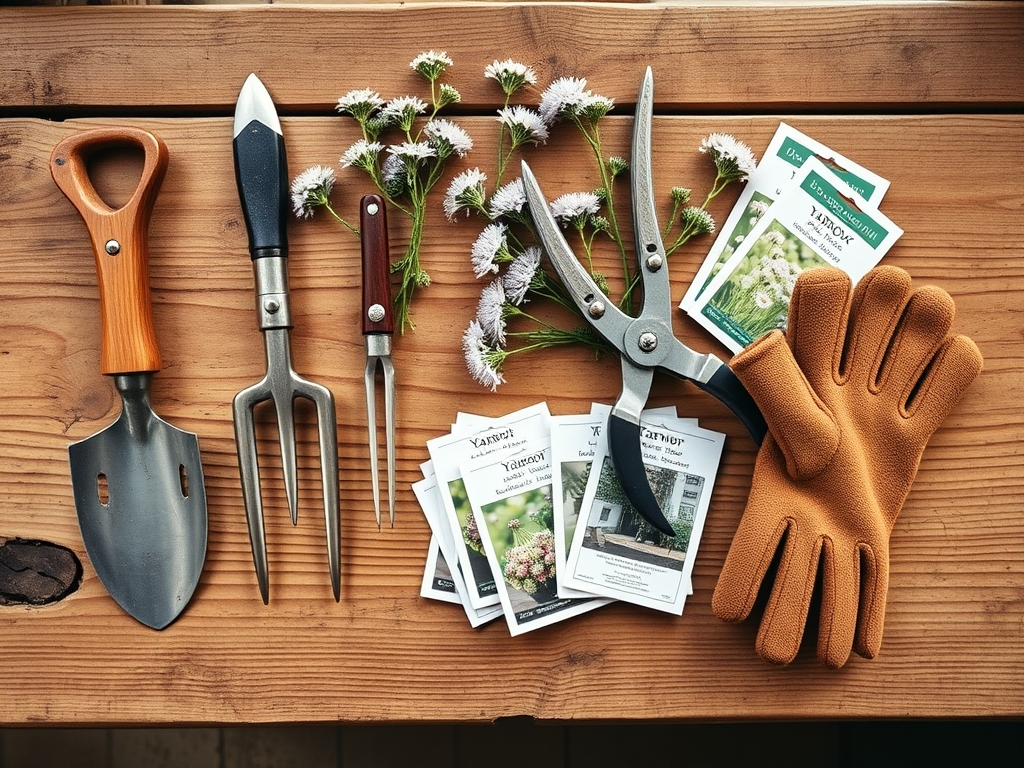
For the initial planting, use a low nitrogen fertilizer with an NPK ratio of 5-10-10. Excessive nitrogen stimulates rapid, weak vegetative growth that flops under its own weight. Incorporate organic matter such as leaf mold to improve soil porosity. You will also need a hori-hori knife for precise root incision and a soil moisture meter to monitor the transition from the nursery pot to the field.
Timing:
Yarrow is hardy across USDA Zones 3 through 9. The biological clock of this plant is governed by the photoperiod; it requires long days to initiate flowering. The optimal window for planting is early spring, approximately two to three weeks before the last frost date, or in early autumn when soil temperatures remain between 55 and 65 degrees Fahrenheit.
During the spring window, the plant is in its vegetative phase, focusing energy on root expansion. If you plant too late in the summer, the high heat increases the transpiration rate, causing the plant to lose moisture faster than the unestablished roots can pull it from the soil. Autumn planting allows the yarrow to establish a root system before winter senescence, leading to a more vigorous bloom the following year.
Phases:

Sowing and Germination
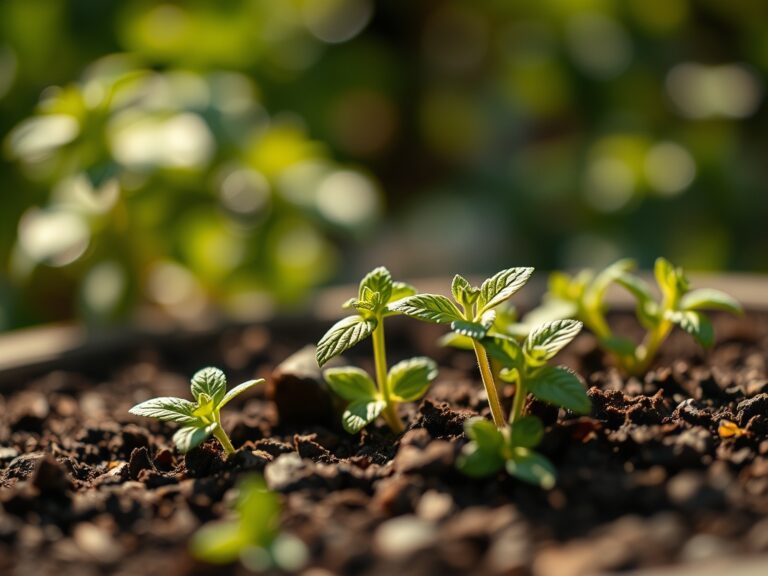
If starting from seed, yarrow requires light for germination. Surface sow the seeds and press them firmly into the substrate to ensure contact. Maintain a consistent temperature of 70 degrees Fahrenheit. Germination typically occurs within 10 to 14 days.
Pro-Tip: Do not cover the seeds with soil. Yarrow seeds are positively photoblastic; they require light to trigger the hormonal shift that breaks dormancy and initiates the growth of the radicle.
Transplanting Clusters
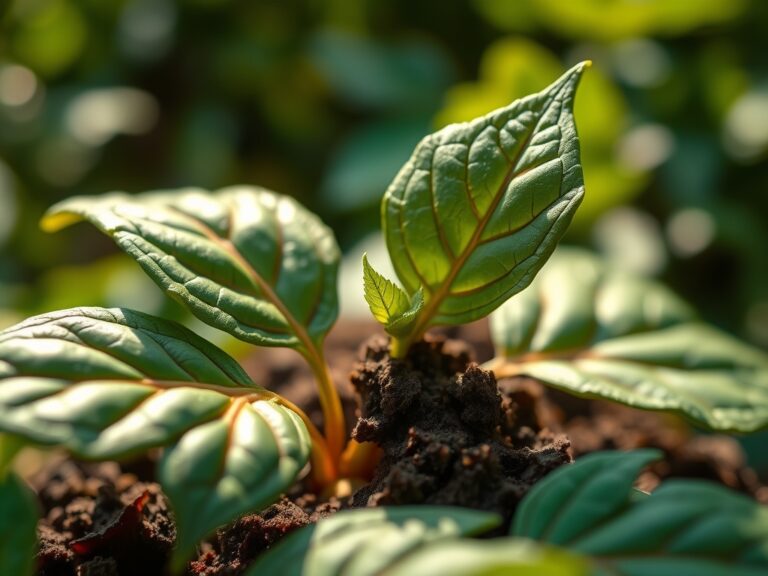
When moving nursery starts or divided clusters, dig a hole twice the width of the root ball but no deeper. Space the clusters 12 to 24 inches apart to allow for lateral rhizome expansion. Ensure the crown of the plant sits flush with the soil surface.
Pro-Tip: Use a hori-hori knife to gently tease out "pot-bound" roots. This mechanical disruption breaks apical dominance in the root tips, stimulating the production of lateral roots through auxin redistribution, which leads to faster establishment in the new site.
Establishing the Rhizosphere
After the initial planting, settle the soil with a deep soak. The goal is to eliminate air pockets around the roots without compacting the earth. Monitor the plants daily for the first 14 days.
Pro-Tip: Inoculate the planting hole with endomycorrhizal fungi. This symbiotic relationship extends the reach of the root system, significantly increasing the plant's ability to uptake phosphorus and water in lean soils.
The Clinic:
Physiological disorders in yarrow are often a result of over-management rather than neglect.
- Symptom: Nitrogen Chlorosis. The older leaves turn pale yellow while the veins remain slightly green.
- Solution: Apply a balanced, water-soluble fertilizer at half strength. Avoid high-nitrogen spikes.
- Symptom: Powdery Mildew. A white, flour-like substance appears on the leaf surface.
- Solution: This is often caused by poor airflow. Thin the clusters using bypass pruners to increase oxygen circulation and reduce humidity within the canopy.
- Symptom: Stem Toppling. The flower stalks lean or fall over before blooming.
- Solution: Reduce water and fertilizer. This is a sign of "soft" growth caused by excessive nutrients or too much shade.
- Symptom: Root Necrosis. The plant wilts despite the soil being wet; roots appear black and slimy.
- Solution: Improve drainage immediately by incorporating perlite or fine gravel into the soil. Ensure the soil moisture meter reads in the "dry" zone before re-watering.
Maintenance:
Precision maintenance prevents yarrow from becoming invasive or sickly. Provide 1.0 to 1.5 inches of water per week during the first growing season. Apply the water at the drip line rather than overhead to prevent foliar diseases. Once established, yarrow is highly drought-tolerant and may only require supplemental water during extreme heat waves where temperatures exceed 95 degrees Fahrenheit.
Deadhead the spent blooms using bypass pruners to prevent the plant from putting energy into seed production. This practice encourages a second flush of flowers later in the season. Every three years, use a spade to divide the clusters. Lift the entire mass, cut it into four sections, and replant the vigorous outer edges while discarding the woody center. This rejuvenation maintains the plant's metabolic vigor.
The Yield:
For those harvesting yarrow for floral arrangements, timing is critical for longevity. Harvest when the individual florets are fully open but before they turn brown or lose their color. The best time to cut is in the early morning when cell turgidity is at its peak.
Use sharp shears to cut the stem at a 45 degree angle. Immediately place the stems in a bucket of lukewarm water. To maintain "day-one" freshness, strip any foliage that would sit below the water line to prevent bacterial bloom. Store the harvested stems in a cool, dark location for two hours before moving them into a final arrangement. This allows the vascular system to stabilize after the shock of the cut.
FAQ:
How much sun does yarrow need?
Achillea requires full sun, meaning at least six to eight hours of direct solar radiation daily. Insufficient light leads to leggy growth, reduced flowering, and increased susceptibility to fungal pathogens.
Can yarrow grow in poor soil?
Yes. Yarrow thrives in "lean" soils with low nutrient density. High fertility actually harms the plant by causing rapid, weak growth. It prefers well-draining, sandy, or gravelly substrates over rich, heavy loams.
How do I stop yarrow from spreading?
Yarrow spreads via underground rhizomes and self-seeding. To control it, install a 6-inch deep root barrier and deadhead flowers before they transition to the seed-head stage to prevent unwanted dispersal.
Why is my yarrow not blooming?
Non-blooming is typically caused by excessive nitrogen or insufficient sunlight. Ensure the plant is not receiving runoff from lawn fertilizers and that it has a clear view of the sky for most of the day.
Is yarrow a perennial?
Yes, yarrow is a cold-hardy perennial. It will die back to the ground during winter senescence and emerge from the rhizome in early spring once soil temperatures reach approximately 50 degrees Fahrenheit.