8 Steps to Prepare a Garden for a Tropical Look
Learning how to prepare a garden for a tropical look begins with understanding that true tropical aesthetics emerge from soil temperature, canopy layering, and precise water management. Most northern gardeners fail because they focus on plant selection before addressing the microclimatic conditions that allow broad-leaved species to thrive. The transformation requires rebuilding soil structure to mimic the high organic content and cation exchange capacity of equatorial loam, where decomposition cycles run year-round and root systems access constant moisture without waterlogging.
Materials
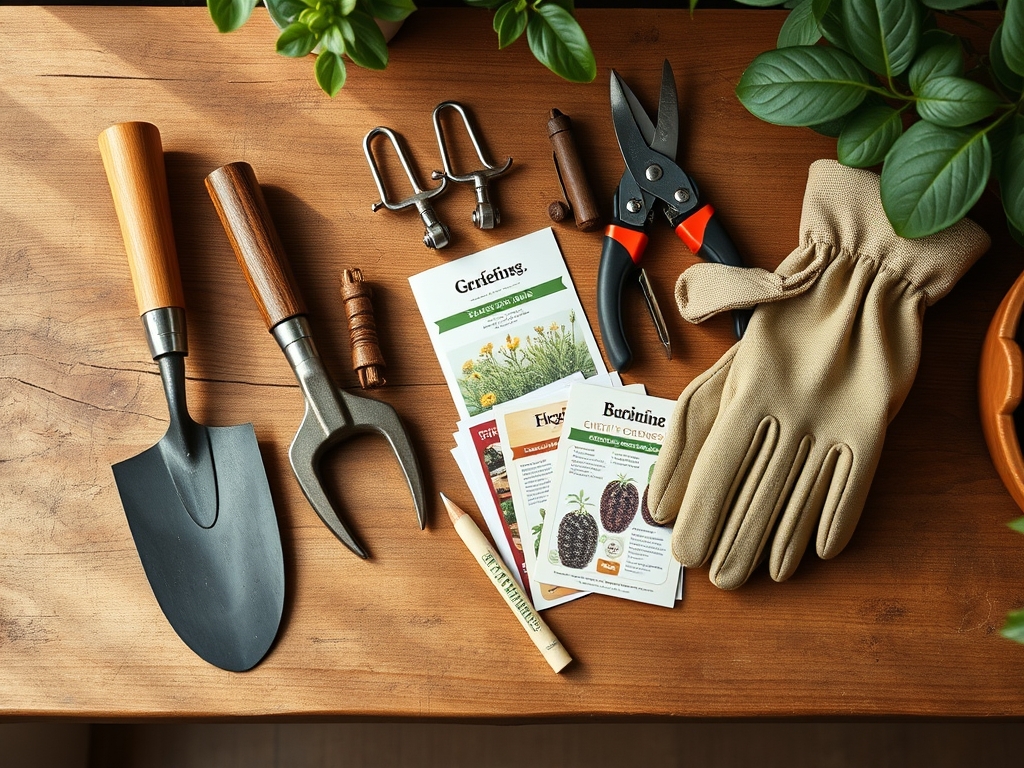
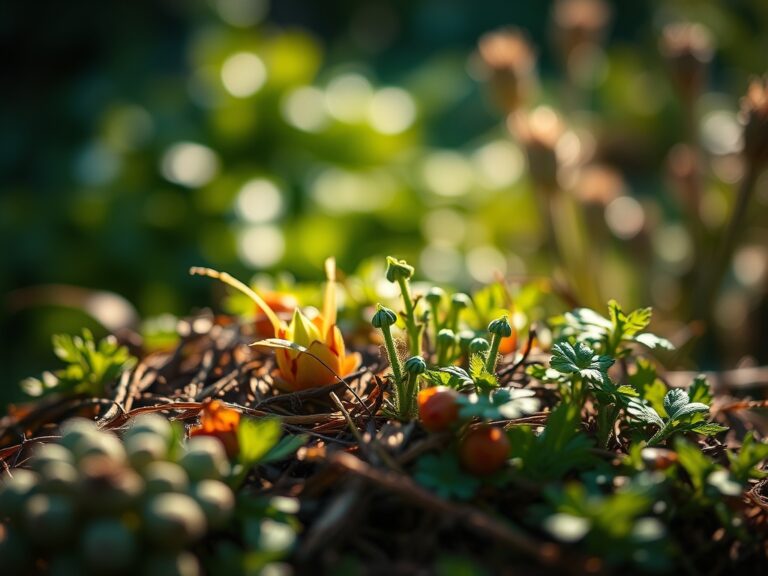
Soil amendment starts with composted bark mulch (pH 6.0-6.5) applied at 4 inches depth to increase organic matter percentage from typical garden levels of 3-5% to tropical-like conditions of 8-12%. Add a balanced organic fertilizer rated 4-4-4 or 5-5-5 to establish baseline nutrient availability without the nitrogen spike that promotes soft growth vulnerable to cold damage. Incorporate sphagnum peat or coconut coir at a 1:3 ratio with native soil to improve water retention while maintaining drainage. Mycorrhizal fungi inoculant (500 spores per gram minimum) accelerates root colonization in broad-leaved tropicals like cannas, elephant ears, and gingers.
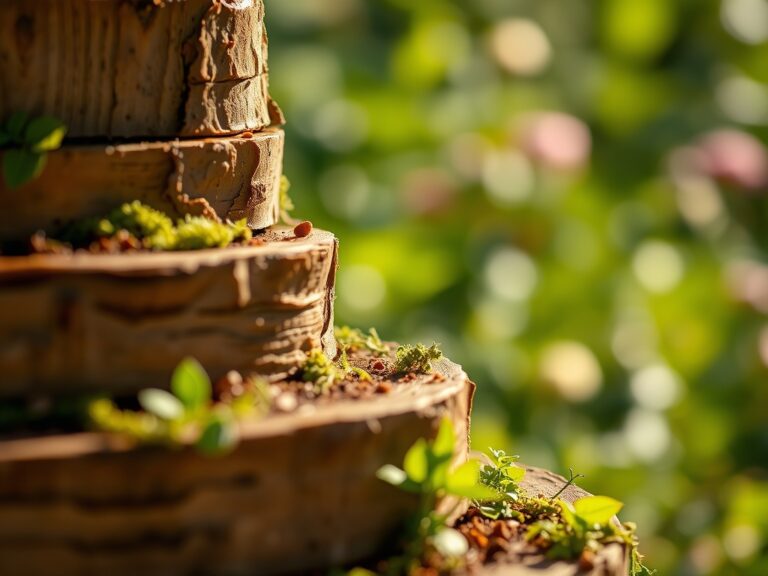
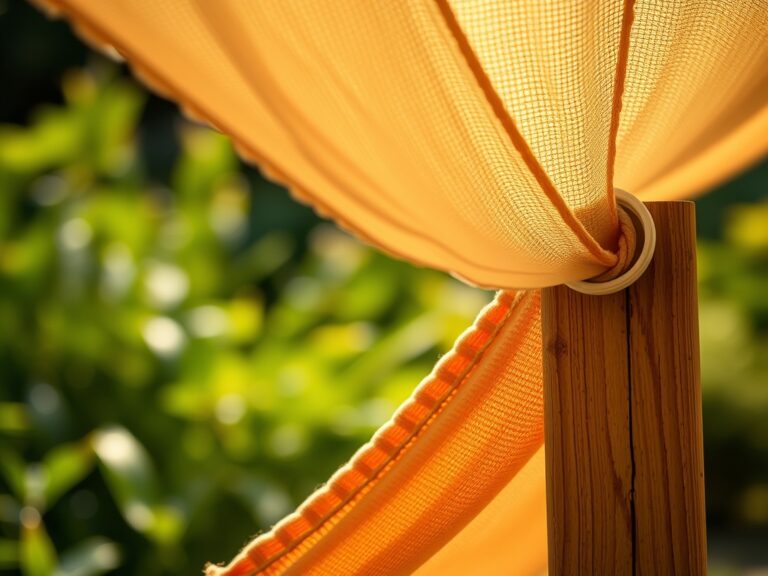
For structural elements, source untreated hardwood logs (8-12 inches diameter) to create moisture-retaining nurse logs that mimic fallen rainforest timber. Acquire shade cloth rated at 30-50% light reduction for the establishment phase. Install soaker hoses or drip irrigation with emitters spaced every 12 inches to deliver water at root level. Select mulch materials that decompose rapidly: shredded leaves, grass clippings, or aged wood chips under 1 inch particle size.
Timing
Hardiness Zones 7-11 permit year-round preparation, but Zones 3-6 require strict attention to frost-date windows. Begin soil preparation 8-10 weeks before the last expected spring frost to allow organic matter integration and microbial population establishment. Soil temperature must reach 65°F at 4-inch depth before transplanting tender tropicals. In Zone 7, this occurs mid-April. In Zone 5, wait until late May.
For containerized tropicals like bananas and palms, transition outdoors only when nighttime lows stabilize above 55°F. Auxin distribution in tropical species slows dramatically below this threshold, halting cell elongation. Fall preparation in cold zones must conclude by September 1 to allow root establishment before dormancy triggers. Southern gardeners in Zones 9-11 should prepare beds between October and November to leverage cooler temperatures that reduce transplant shock.
Phases
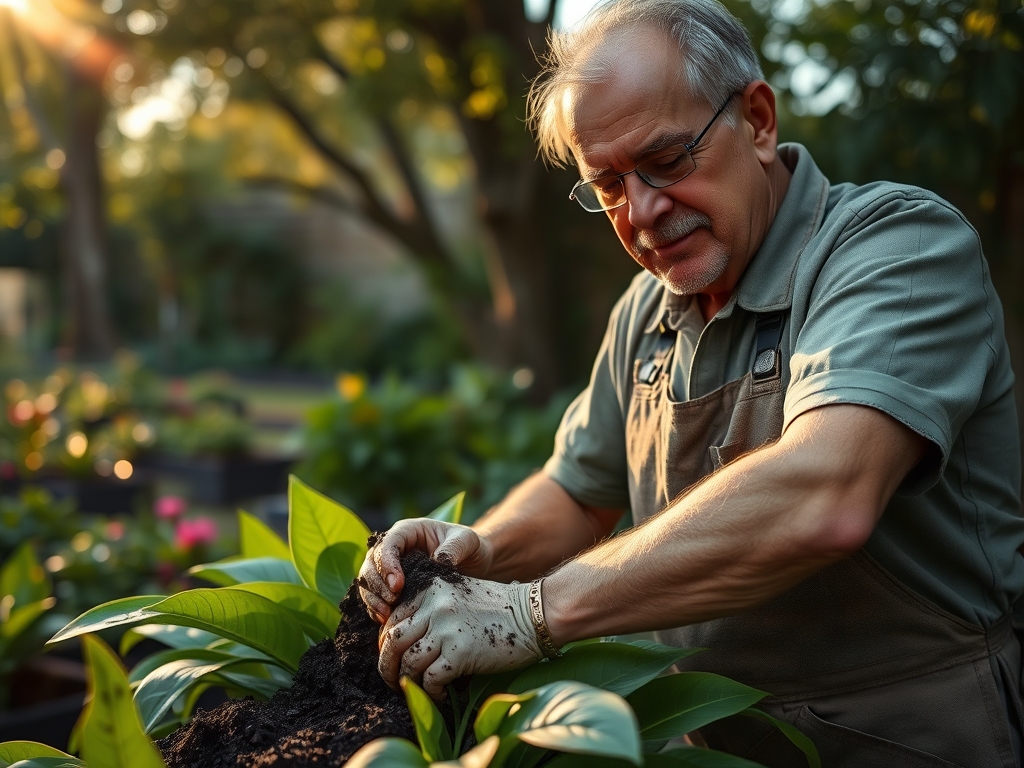
Sowing: Direct-seed fast-growing tropicals like castor bean (Ricinus communis) when soil reaches 70°F. Plant seeds at twice their diameter depth. Cover with clear plastic to create greenhouse effect, raising soil temperature an additional 8-10°F. Remove plastic when seedlings emerge in 7-14 days.
Pro-Tip: Soak castor bean seeds in 85°F water for 24 hours before sowing to soften the seed coat and trigger gibberellin production, reducing germination time by 40%.
Transplanting: Move nursery-grown tropicals into prepared beds after hardening off for 10 days. Dig planting holes 1.5 times the root ball width. Position the crown at grade level. Backfill with native soil amended with 20% compost by volume. Water with 2 gallons per plant to eliminate air pockets and establish soil-root contact.
Pro-Tip: Apply kelp extract solution (1 tablespoon per gallon) at transplant to provide cytokinins that counteract ethylene stress hormones and reduce transplant shock by 35%.
Establishing: During the first 30 days, maintain soil moisture at field capacity without saturation. Monitor leaf turgor daily. Apply foliar feeding with fish emulsion diluted to 2 tablespoons per gallon every 14 days to supplement root uptake during establishment. Prune damaged leaves at a 45-degree angle to reduce disease entry points.
Pro-Tip: Inoculate the root zone with Trichoderma harzianum (10^6 CFU per gram of soil) to colonize roots before pathogenic fungi establish, reducing root rot incidence by 60%.
Troubleshooting
Symptom: Leaf edges brown and crispy, starting at tips and progressing inward.
Solution: Indicates insufficient humidity (below 40%) or inconsistent watering. Install misting system to raise ambient humidity to 60-70%. Increase watering frequency to maintain consistent soil moisture at 2 inches depth.
Symptom: Yellowing lower leaves with green veins (interveinal chlorosis).
Solution: Iron deficiency caused by pH above 7.0. Apply chelated iron at 1 tablespoon per gallon as soil drench. Amend soil with elemental sulfur at 1 pound per 100 square feet to lower pH to 6.0-6.5 over 60 days.
Symptom: Stunted growth with dark green, purplish leaves.
Solution: Phosphorus deficiency in cold soil (below 60°F). Delay planting or use black plastic mulch to raise soil temperature. Apply bone meal (3-15-0) at 2 pounds per 100 square feet and water thoroughly.
Symptom: Holes in leaves with slime trails visible in morning.
Solution: Slug feeding. Apply iron phosphate bait at 1 pound per 1,000 square feet. Reduce mulch depth to 2 inches to eliminate hiding places.
Symptom: White powdery coating on leaf surfaces.
Solution: Powdery mildew from poor air circulation and overhead watering. Space plants to allow 18-24 inches between canopies. Water at soil level only. Spray with potassium bicarbonate solution (1 tablespoon per gallon) weekly for 3 weeks.
Maintenance
Water established tropical gardens with 1 inch per week, delivered in two 0.5-inch applications to prevent nutrient leaching. Measure with rain gauge placed at canopy level. During heat waves above 90°F, increase to 1.5 inches per week. Apply liquid fertilizer (10-10-10) diluted to half strength every 21 days during active growth from June through August.
Renew organic mulch monthly to maintain 3-inch depth as decomposition accelerates in warm, moist conditions. Prune dead foliage weekly to maintain air circulation and reduce fungal spore load. Monitor soil pH monthly and adjust with dolomitic lime (to raise) or elemental sulfur (to lower) in 0.2 pH increments.
FAQ
What plants create authentic tropical appearance in temperate zones?
Canna lilies, elephant ears (Colocasia), hardy bananas (Musa basjoo), castor beans, and tree ferns provide broad leaves and vertical structure. Combine with hardy palms (Trachycarpus fortunei) in Zones 7-11.
How deep should tropical garden soil preparation go?
Work amendments to 18-inch depth for perennials, 12 inches for annuals. Deep preparation allows root systems to access moisture during drought and prevents waterlogging during heavy rain.
Can tropical gardens survive winter in cold climates?
Treat as annual display in Zones 3-6, or lift rhizomes/tubers in fall and store at 45-55°F. Mulch hardy tropicals with 12 inches of shredded leaves after first frost.
What causes tropical plants to stop growing mid-season?
Soil temperature drop below 60°F, nitrogen depletion, or root binding in containers. Apply compost tea and verify root health by inspecting for white, fleshy root tips.
How much shade do tropical-look gardens need?
Provide 4-6 hours morning sun with afternoon shade, or use 40% shade cloth. Full sun causes leaf scorch on broad-leaved tropicals adapted to forest understory conditions.