7 Steps to Prepare a Permanent Garden Bench Site
The ground beneath a garden bench shapes every conversation, every quiet morning coffee, and every year of service the structure will offer. How to prepare a site for a garden bench begins with understanding that furniture is only as permanent as its foundation. A bench sinking into clay or heaving through frost cycles wastes both materials and the careful design of surrounding plantings. The site demands compaction, drainage correction, and root-barrier strategies that respect decades of freeze-thaw cycles and soil settlement.
Materials
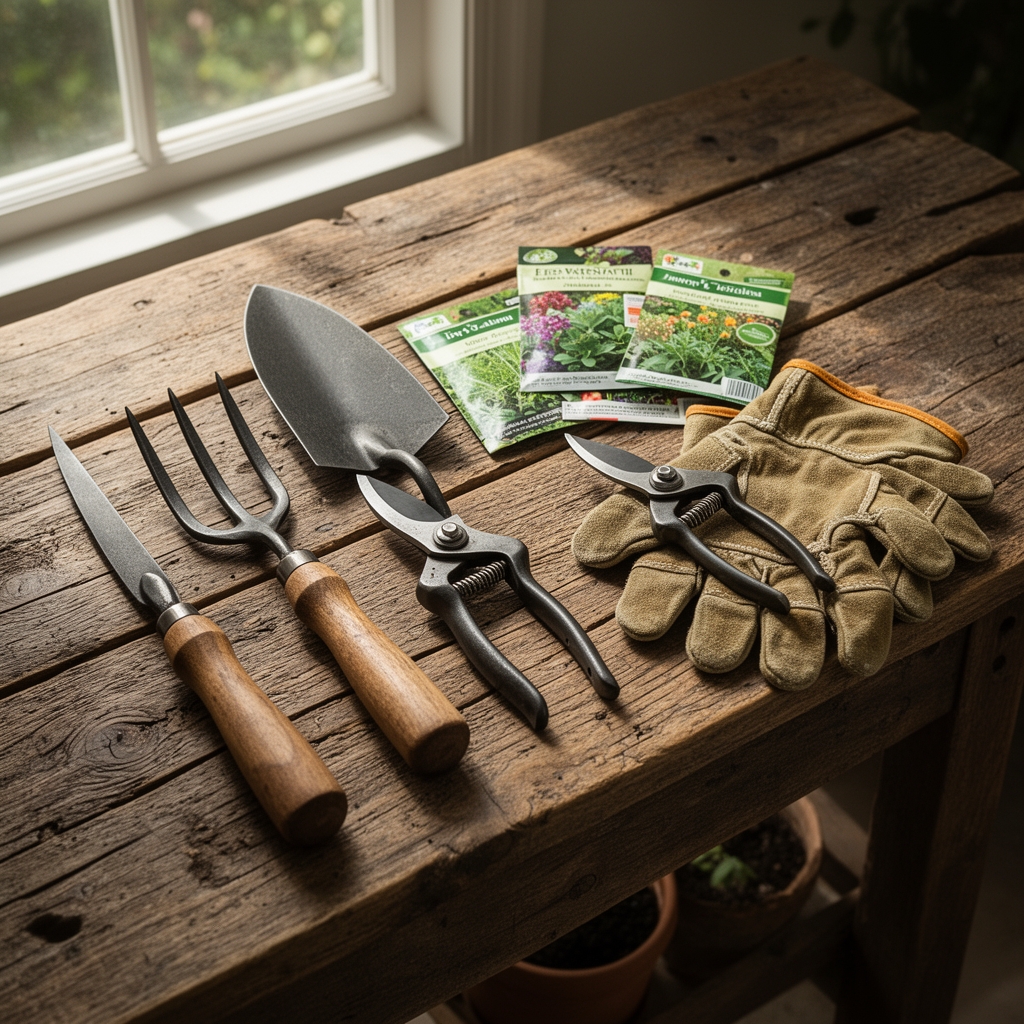
Begin with a soil test to determine pH and cation exchange capacity. Most bench sites benefit from a pH of 6.0 to 7.0, which supports turf or low groundcovers without encouraging aggressive root invasion. Collect crushed stone base in 3/4-inch grade, approximately 0.5 cubic yards per 4-foot bench footprint. This material provides drainage and resists compaction better than native clay or loam.
For organic amendment in surrounding planting zones, source a balanced 4-4-4 organic meal derived from feather meal, bone meal, and kelp. This ratio supplies slow-release nitrogen for groundcovers without promoting excessive top growth that obscures the bench legs. If the site drains poorly, incorporate coarse sand at a 1:3 sand-to-soil ratio and gypsum at 5 pounds per 100 square feet to improve aggregate structure.
Purchase landscape fabric rated for 3.5-ounce-per-square-yard commercial grade, not the thin retail versions that decompose in two seasons. Concrete pavers or poured footings require Type II Portland cement mixed at 1 part cement, 2 parts sand, and 3 parts aggregate. For wood benches, galvanized anchor brackets and 3/8-inch stainless steel bolts resist corrosion in contact with treated lumber.
Timing
Schedule site preparation in USDA Hardiness Zones 3 through 7 between late April and mid-May, after the final frost date but before summer heat stresses newly installed groundcovers. In Zones 8 through 10, work between October and February during the cool season when soil moisture is adequate but not saturated.
Avoid site work during active freeze-thaw cycles. Soils in Zones 5 and colder experience frost heave that displaces footings by 1 to 3 inches annually unless footings extend below the frost line. Consult local building codes for frost-depth data, typically 36 to 48 inches in northern zones and 12 to 18 inches in temperate regions.
For sites under existing tree canopies, delay installation until after spring root-growth flush, typically six weeks post-budbreak. This timing minimizes mycorrhizal disruption and allows severed roots to compartmentalize wounds before summer drought.
Phases

Sowing the Foundation
Clear the site to bare soil, removing turf and organic debris to a depth of 6 inches. Excavate a rectangular pit 8 inches deep, extending 6 inches beyond the bench footprint on all sides. Compact the pit floor with a hand tamper or plate compactor to 95 percent standard proctor density. This prevents differential settlement.
Fill the pit with 4 inches of crushed stone base. Rake level, then compact in 2-inch lifts. Install landscape fabric over the stone, overlapping seams by 12 inches and securing with 6-inch landscape staples every 18 inches.
Pro-Tip: Before placing fabric, inoculate the perimeter with ectomycorrhizal fungi spores at 1 ounce per 10 square feet if planting companion groundcovers like wild ginger or sweet woodruff. The fungi colonize roots within 45 days, improving drought tolerance and nutrient uptake.
Transplanting the Bench Structure
Position concrete pavers or pour footings atop the stone base, ensuring they extend at least 2 inches above final grade to shed water. Use a 4-foot level and shims to achieve a slope of 1/8 inch per foot away from the bench back, preventing pooling.
Anchor the bench frame to footings with brackets, torquing bolts to 25 foot-pounds. For wood benches, pre-drill pilot holes 1/16 inch smaller than bolt diameter to prevent splitting. Check diagonal measurements to confirm square alignment; discrepancies greater than 1/4 inch cause racking stress.
Pro-Tip: Apply a bead of polyurethane sealant between the bench legs and footings before bolting. This gasket compresses to fill micro-gaps, reducing capillary moisture wicking that accelerates wood rot.
Establishing the Surround
Backfill around footings with native soil amended with 2 inches of compost. Plant low-growing, non-invasive groundcovers such as Thymus serpyllum or Sedum spurium within 12 inches of the bench perimeter. Space plugs 8 inches apart to achieve 80 percent coverage in one growing season.
Water transplants with 0.5 gallons per plug immediately after installation. Apply a 2-inch layer of shredded hardwood mulch, keeping it 3 inches away from bench legs to deter termites and carpenter ants.
Pro-Tip: Trim groundcover runners at 30-degree angles when they reach bench legs. This pruning angle redirects auxin distribution laterally rather than vertically, maintaining a 2-inch height mat that does not trap moisture against wood.
Troubleshooting
Symptom: Bench legs sink unevenly after winter, creating a 1- to 2-inch tilt.
Solution: Excavate beneath the sunken footing. Add 2 inches of compacted crushed stone and reset the paver. Verify that the footing extends below the frost line for the local zone.
Symptom: Algae or moss growth on north-facing bench surfaces.
Solution: Excessive shade and moisture retention. Prune overhanging branches to increase light penetration by 20 percent. Treat wood with a 1:1 vinegar-water solution, scrubbing with a stiff brush annually in early spring.
Symptom: Groundcover roots invade beneath footings, causing displacement.
Solution: Install a 12-inch-deep root barrier of 40-mil polyethylene sheeting around the perimeter. Dig a trench 18 inches from the bench, insert the barrier vertically, and backfill.
Symptom: Carpenter ants nesting in bench legs within three years.
Solution: Ants exploit moisture-damaged wood. Ensure footings elevate the bench base at least 2 inches above grade. Replace rotted members and treat with borate preservative at 1 pound per gallon of water.
Symptom: Pavers heave in spring, misaligning the bench frame.
Solution: Footings do not extend below the frost line. Remove the bench, re-excavate to code depth, and pour concrete footings with rebar reinforcement.
Maintenance
Inspect bench stability each spring. Re-torque all bolts to specification, as seasonal moisture cycles cause wood to shrink and expand. Apply a UV-resistant penetrating oil finish to wood surfaces every 18 months at a rate of 200 square feet per quart.
Water surrounding groundcovers with 1 inch per week during establishment, tapering to 0.5 inches per week once root systems reach 6 inches deep, typically after 90 days. Test soil moisture at 3-inch depth; irrigate when the soil feels dry at fingertip pressure.
Prune groundcovers in late summer, removing stems that exceed 3 inches in height. This encourages dense lateral growth and reduces winter desiccation injury. Reapply mulch annually to maintain a consistent 2-inch depth, adding 0.5 cubic yards per 100 square feet.
Remove leaves and debris from the bench surface weekly during autumn. Organic matter traps moisture against wood grain, accelerating fungal colonization by species such as Gloeophyllum trabeum. Clean metal hardware with a wire brush and apply a thin coat of machine oil to prevent rust.
FAQ
How deep should footings be for a permanent garden bench?
Footings must extend below the frost line for the local hardiness zone, typically 36 to 48 inches in Zones 3 through 5 and 12 to 18 inches in Zones 8 through 10. Shallow footings heave during freeze-thaw cycles.
Can I install a bench directly on soil without a gravel base?
No. Soil compacts unevenly and retains moisture, causing settling and wood rot. A 4-inch crushed stone base provides drainage and distributes load over a wider area, reducing point pressure by 60 percent.
What groundcovers tolerate foot traffic near a bench?
Thymus serpyllum and Chamaemelum nobile withstand moderate traffic, up to 50 passes per week. Space plugs 8 inches apart and avoid high-nitrogen fertilizers that promote weak, leggy growth.
How do I prevent tree roots from lifting bench footings?
Install a vertical root barrier of 40-mil polyethylene extending 18 inches deep around the bench perimeter. Position the bench at least 10 feet from large trees with aggressive surface roots such as maples or willows.
Should I use treated or untreated lumber for a garden bench?
Use lumber treated with alkaline copper quaternary (ACQ) for ground contact, rated UC4A or higher. Untreated wood fails within five years in soil contact due to fungal decay and insect damage.