6 Steps to Install a Vertical Plant Wall Frame
The scent of wet sphagnum and the rough texture of powder-coated steel combine in the moments before you anchor your first vertical planter. Proper steps for installing a vertical plant wall frame determine whether roots thrive or rot, whether irrigation flows evenly or pools at the base. Indoor living walls demand precision in structural mounting, substrate selection, and plant placement. Each decision cascades through the system's long-term health.
Materials
Frame selection begins with load-bearing capacity. Steel frames rated for 35 pounds per square foot accommodate saturated substrate and mature root systems. Powder-coated finishes resist corrosion in high-humidity environments. Modular pocket systems use polypropylene felt or expanded PVC cells. Each pocket holds 0.5 to 1.5 quarts of growing medium.
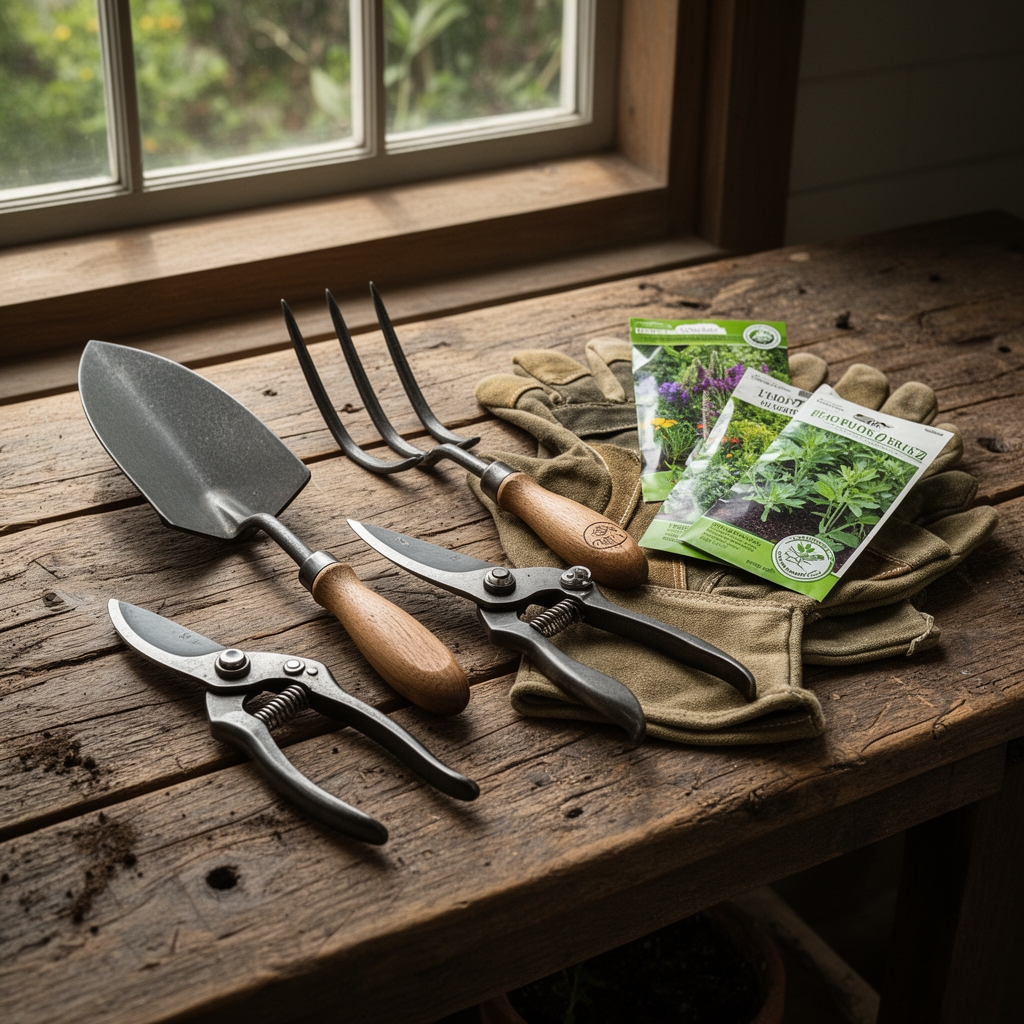
Substrate composition affects cation exchange capacity and water retention. A blend of 40% coco coir, 30% perlite, 20% vermiculite, and 10% aged compost provides pH 6.0 to 6.5. Incorporate mycorrhizal fungi inoculant at 0.1 ounces per gallon of substrate. Balanced organic fertilizer at 4-4-4 NPK releases nitrogen slowly over 60 days. Avoid high-phosphorus blends that encourage algae in irrigation runoff.
Irrigation hardware includes a submersible pump rated for 120 gallons per hour, vinyl tubing with 0.25-inch inner diameter, and drip emitters spaced every 8 inches across the top rail. A reservoir holds 10 gallons minimum for walls up to 20 square feet. Install a timer for 15-minute cycles, three times daily during establishment.
Anchoring requires wall studs or masonry anchors. Lag bolts of 0.25-inch diameter penetrate studs 2 inches deep. For drywall-only sections, toggle bolts distribute load across 16-square-inch panels. A waterproof membrane of 6-mil polyethylene sheeting protects the wall surface. Seal edges with silicone caulk rated for continuous moisture exposure.
Timing
Hardiness Zones 3 through 11 support indoor vertical walls year-round with climate control. Outdoor installations in Zones 9 through 11 face fewer frost constraints but require shade cloth during summer months when ambient temperatures exceed 90°F. Last spring frost dates guide transplant timing for outdoor systems. Indoor systems bypass seasonal limitations but benefit from installation during moderate outdoor temperatures to simplify initial plant acclimation.
Circadian light cycles influence auxin distribution and apical dominance. Install grow lights delivering 200 to 400 foot-candles for low-light tropicals, 400 to 800 for ferns and philodendrons. Photoperiod of 14 hours supports vegetative growth without triggering flowering in short-day species.
Phases

Sowing: Propagate plants in 2-inch nursery pots four weeks before installation. Use seed-starting mix at pH 5.8 to 6.2. Bottom heat at 72°F accelerates germination for tropical understory species. Peperomia, pothos, and fittonia establish roots in 10 to 14 days. Maintain substrate moisture at field capacity without saturation. Fertilize with half-strength 3-1-2 liquid solution weekly.
Pro-Tip: Inoculate seedling trays with Trichoderma harzianum at transplant to suppress Pythium root rot during the transition to vertical pockets.
Transplanting: Remove plants from nursery pots and tease apart root balls to encourage lateral root expansion. Position crowns 0.5 inches below pocket rim to prevent desiccation. Pack substrate around roots with firm, even pressure. Alternate species with differing root architectures. Shallow-rooted species like ferns occupy upper pockets where drainage is rapid. Deep-rooted philodendrons anchor lower sections where moisture lingers.
Pro-Tip: Trim roots at 45-degree angles before transplanting to stimulate adventitious root formation within 72 hours.
Establishing: Run irrigation for 20 minutes immediately post-installation to settle substrate and eliminate air pockets. Monitor pocket saturation by pressing substrate 2 inches deep. Moisture should register as damp but not dripping. Reduce irrigation frequency after 14 days as root systems expand into available substrate volume. Mist foliage twice daily for the first week to reduce transplant shock and maintain turgor pressure.
Pro-Tip: Apply foliar kelp extract at 1 tablespoon per gallon weekly during establishment to boost cytokinin levels and promote lateral shoot development.
Troubleshooting
Symptom: Yellowing lower leaves with necrotic tips. Solution: Nitrogen deficiency. Apply 5-1-1 fish emulsion at 2 tablespoons per gallon every 7 days for three weeks.
Symptom: White powdery coating on leaf surfaces. Solution: Powdery mildew due to poor air circulation. Increase airflow with oscillating fan. Prune dense growth to open canopy. Spray potassium bicarbonate solution at 1 tablespoon per quart weekly.
Symptom: Wilting despite moist substrate. Solution: Root rot from Phytophthora. Remove affected plants and discard substrate. Drench remaining pockets with hydrogen peroxide at 1 part 3% solution to 4 parts water.
Symptom: Brown, crispy leaf margins. Solution: Salt accumulation from over-fertilization. Flush pockets with distilled water at triple substrate volume. Resume fertilization at half strength.
Maintenance
Flush reservoir and tubing every 30 days to prevent algae biofilm. Apply 1 inch of water per week, adjusted for ambient humidity below 40%. Prune stems exceeding pocket boundaries every 21 days, cutting 0.25 inches above nodes at 45-degree angles. Rotate plant positions every 90 days to balance light exposure and prevent asymmetric growth. Reapply 4-4-4 granular fertilizer at 1 tablespoon per pocket every 60 days.
FAQ
How often should I replace substrate? Every 18 to 24 months as cation exchange capacity declines and organic matter decomposes.
Can I install frames on exterior stucco? Yes. Use masonry anchors with 1.5-inch embedment depth and apply weatherproof sealant around penetration points.
What is the ideal reservoir water pH? Maintain 6.0 to 6.5 to optimize nutrient availability and prevent trace element lockout.
Which species tolerate low light best? Pothos, snake plant, and ZZ plant perform at 50 to 150 foot-candles.
How do I prevent mosquito larvae in reservoirs? Use mosquito dunks containing Bacillus thuringiensis israelensis, replaced monthly.