8 Foundation Steps to Prepare for a Vegetable Garden Deck
Converting existing garden space into a multi-level vegetable deck demands precision soil remediation and structural planning. The soil beneath and surrounding your deck will support root systems, regulate moisture, and determine whether your crops thrive or languish. Learning how to prepare a garden for a vegetable deck build begins with understanding that you are not merely constructing a platform but engineering a living soil ecosystem that must function in concert with elevation changes, drainage patterns, and microbial activity.
Materials
Begin with a soil test kit measuring pH, nitrogen (N), phosphorus (P), and potassium (K). Target pH 6.2 to 6.8 for most vegetables. Amend acidic soils with dolomitic limestone at 5 pounds per 100 square feet to raise pH by 0.5 units. For alkaline soils above 7.2, incorporate elemental sulfur at 1 pound per 100 square feet.
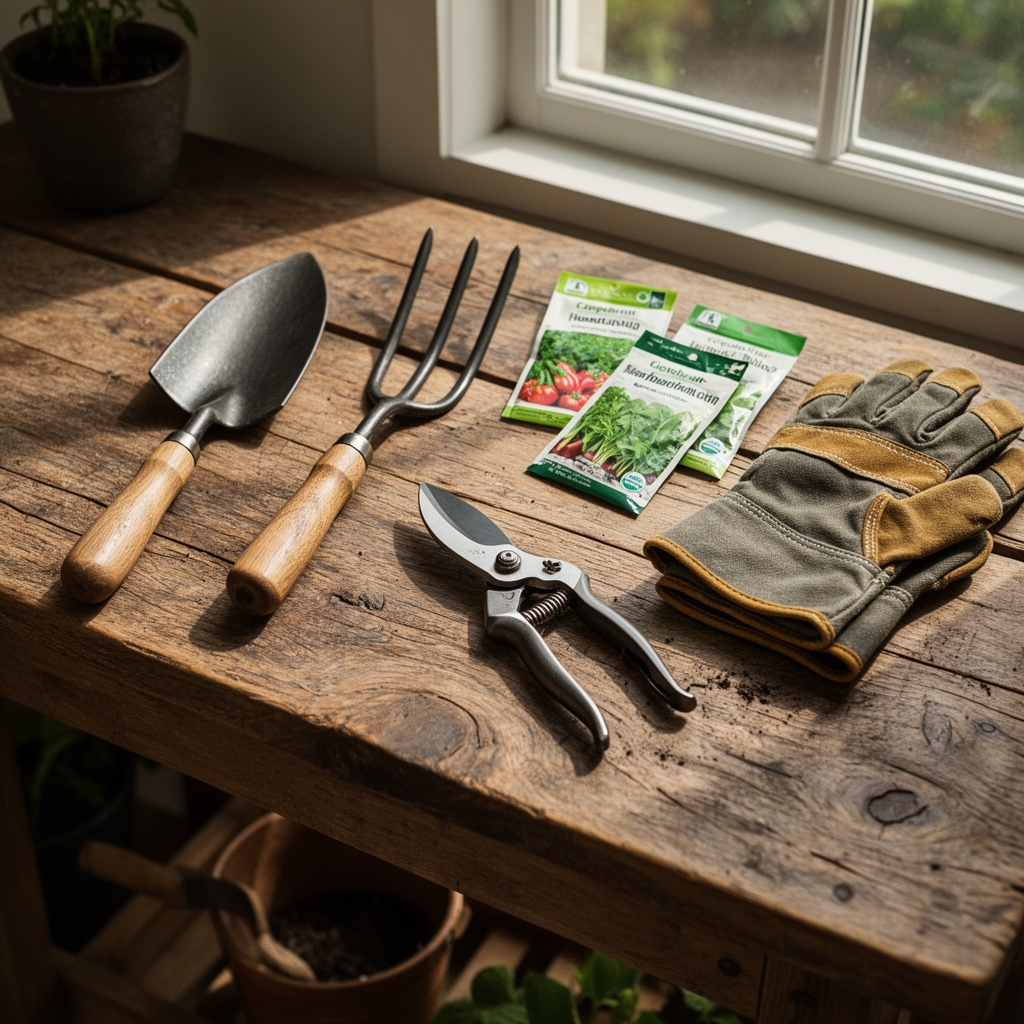
Select a balanced organic fertilizer at 4-4-4 or 5-5-5 ratio for initial amendment. Blood meal (12-0-0) accelerates nitrogen availability but risks burning roots if applied above 2 pounds per 100 square feet. Bone meal (3-15-0) supplies slow-release phosphorus critical for root establishment under deck footings. Greensand (0-0-3) or kelp meal (1-0.5-2) delivers potassium and trace minerals without salt accumulation.
Purchase mycorrhizal fungi inoculant containing Glomus intraradices at 2 ounces per 50 square feet. This symbiotic fungus extends root surface area by 100 to 1,000 times, improving nutrient uptake in compacted zones beneath deck supports. Biochar at 10 percent by volume raises cation exchange capacity, allowing soil to retain nutrients that would otherwise leach through sandy substrates.
Pressure-treated lumber for deck framing must be alkaline copper quaternary (ACQ) rated, not chromated copper arsenate (CCA), to prevent arsenic migration into root zones. Use composite or cedar decking to minimize chemical exposure. Install a 6-mil polyethylene vapor barrier between soil and deck understructure only in zones where root penetration is undesirable.
Timing
Hardiness Zones 3 through 5 require preparation beginning April 15 to May 1, when soil temperatures stabilize above 50°F at 4-inch depth. Zones 6 through 7 can initiate work March 20 to April 10. Zones 8 through 10 should complete soil amendment by February 28 to avoid interfering with early spring transplants.
Last frost date governs timeline. Count back 8 weeks from that date to begin structural planning. Soil amendments require 4 weeks to integrate microbially before planting. This means deck construction must finish 12 weeks before main-season crops enter the ground.
Fall preparation is superior. Amending soil in September or October allows freeze-thaw cycles to break down organic matter and permits mycorrhizal networks to establish before spring dormancy breaks.
Phases
Sowing Phase
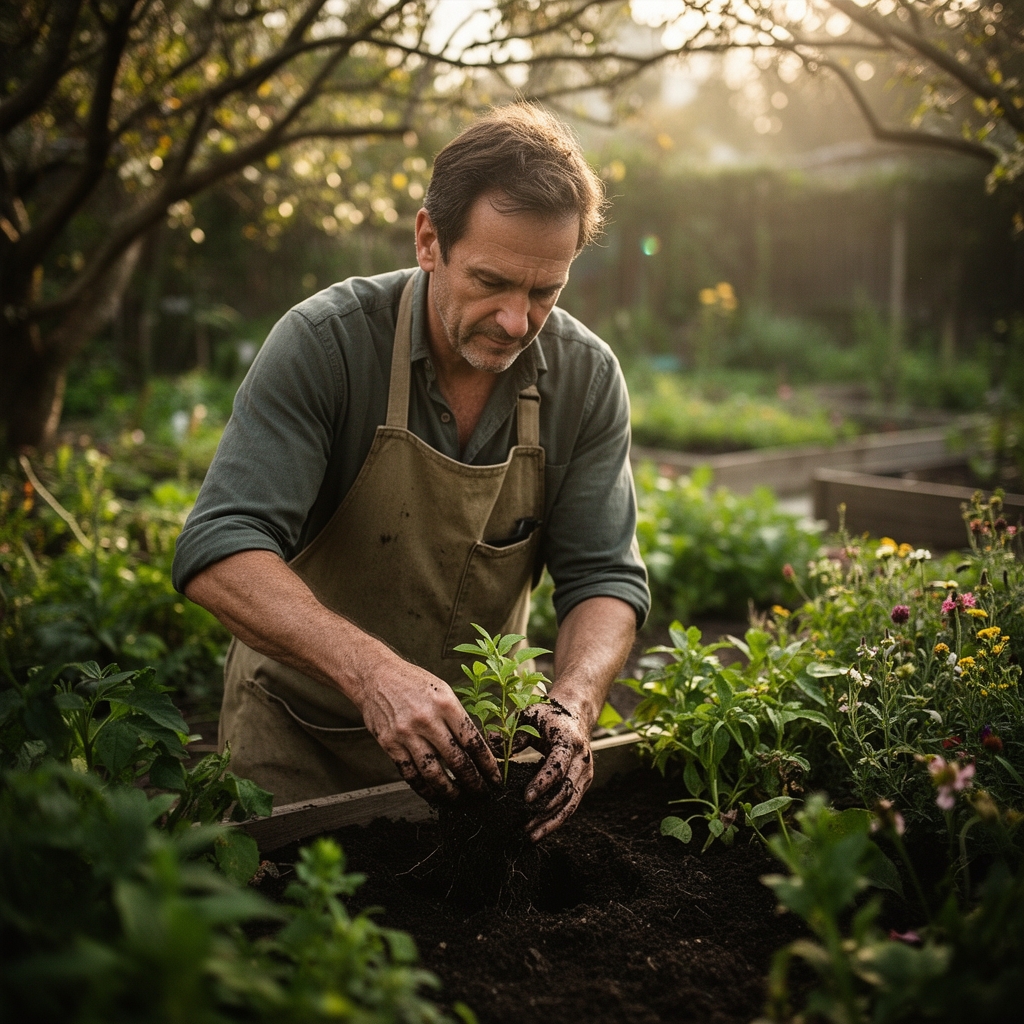
Remove existing vegetation with a sod cutter to 2-inch depth. Do not rototill if perennial weeds like bindweed or quackgrass exist; their rhizomes fragment and multiply. Instead, solarize by covering the area with clear 2-mil plastic for 6 weeks when daytime temperatures exceed 80°F. This raises soil temperature to 140°F at 2 inches, killing weed seeds and pathogens.
Spread compost at 2 cubic yards per 100 square feet. Incorporate amendments to 8-inch depth using a broadfork to preserve soil structure. Rototillers destroy aggregates and harm earthworm populations. Level the surface with a landscape rake, breaking clods no larger than a dime.
Pro-Tip: Apply humic acid at 1 ounce per gallon of water immediately after amendment. Humic acid chelates micronutrients, making iron, manganese, and zinc plant-available within 72 hours.
Transplanting Phase
Install deck footings 18 inches deep on 6-inch gravel bases to prevent frost heave. Space footings 6 feet apart to minimize soil compaction. Where footings intersect root zones, excavate an additional 4 inches and backfill with a 50-50 mix of native soil and compost.
Create planting zones between footings by mounding soil 4 inches above grade. This promotes drainage and prevents water from pooling against deck posts. Mulch pathways with 3 inches of arborist wood chips to suppress weeds without introducing allelopathic compounds found in fresh cedar or walnut.
Pro-Tip: Paint the underside of deck boards with flat white exterior paint. This reflects 60 percent of photosynthetically active radiation back onto lower foliage, increasing yields of shade-tolerant crops like lettuce and spinach by 15 to 25 percent.
Establishing Phase
Transplant seedlings at the two-true-leaf stage to minimize transplant shock. Water each transplant with a kelp extract solution (1 tablespoon per gallon) containing cytokinins that stimulate lateral root development. Space determinate tomatoes 24 inches apart; indeterminate varieties require 36 inches to ensure airflow under low-clearance deck sections.
Install drip irrigation with emitters spaced 12 inches apart, delivering 0.6 gallons per hour. Run lines beneath the deck frame, securing them to joists with UV-resistant cable ties. Pressure-compensating emitters maintain uniform flow on sloped terrain.
Pro-Tip: Prune tomato suckers at a 45-degree angle, 1/4 inch above the axil. This directs auxin flow to main stems, concentrating fruit production on scaffolds receiving direct sun exposure above the deck line.
Troubleshooting
Symptom: Yellowing lower leaves with green veins.
Solution: Iron chlorosis from high pH. Apply chelated iron (Fe-EDDHA) at 1 tablespoon per gallon as a foliar spray. Retest soil pH and incorporate sulfur if above 7.5.
Symptom: Blossom end rot on tomatoes and peppers.
Solution: Calcium deficiency exacerbated by irregular watering. Side-dress with gypsum (calcium sulfate) at 2 pounds per 10 feet of row. Maintain consistent soil moisture at 60 percent field capacity.
Symptom: Stunted growth with purple leaf undersides.
Solution: Phosphorus immobilization in cold soil below 55°F. Apply liquid fish emulsion (5-1-1) at half strength weekly until soil warms. Mulch with black polyethylene to raise soil temperature 5 to 8°F.
Symptom: Cutworm damage at soil line.
Solution: Install 3-inch cardboard collars around transplants, pressing 1 inch into soil. Spray Bacillus thuringiensis var. kurstaki (Btk) at 1 tablespoon per gallon every 7 days for 3 weeks post-transplant.
Symptom: Powdery white coating on leaf surfaces.
Solution: Powdery mildew from poor air circulation. Prune lower foliage to 12 inches above soil. Spray 1 tablespoon baking soda plus 1 teaspoon horticultural oil per gallon weekly. Increase deck height to minimum 24 inches for airflow.
Maintenance
Water 1 inch per week, delivered in a single deep session rather than multiple shallow applications. Measure with a rain gauge. In sandy soils, split into two 0.5-inch sessions to prevent leaching below the root zone.
Fertilize every 3 weeks with a 2-3-1 organic liquid fertilizer diluted to half strength. Heavy feeders like tomatoes and squash require full-strength applications. Foliar feed with kelp extract every 14 days to supply trace elements depleted by elevated deck temperatures.
Monitor soil moisture with a tensiometer at 6-inch depth. Irrigate when readings reach 30 centibars for fruiting crops, 50 centibars for leafy greens. Mulch planting zones with 2 inches of straw to reduce evaporation by 40 percent and moderate soil temperature fluctuations under partial deck shade.
Prune indeterminate tomatoes to single leaders, removing all suckers below the first fruit set. This concentrates energy into fruit production in limited vertical space. Top plants when they reach 6 inches below deck boards to prevent stem damage.
FAQ
Can I grow root vegetables under a deck?
Yes, if clearance exceeds 18 inches and soil receives 4 hours of direct sun. Choose short-season varieties like 'Mokum' carrots (55 days) and 'Hakurei' turnips (38 days). Avoid long-rooted crops like parsnips in compacted footing zones.
How do I prevent wood rot from irrigation?
Install deck boards with 1/4-inch gaps for drainage. Apply a penetrating water repellent to lumber annually. Direct irrigation away from posts using drip lines positioned 6 inches from vertical supports.
What is the minimum deck height for tomatoes?
36 inches for determinate varieties, 48 inches for indeterminate types grown as single leaders. Insufficient clearance reduces photosynthesis and increases fungal disease pressure from poor air circulation.
Do deck shadows reduce yields?
Partial shade from slatted decking reduces heat-sensitive crop stress. Lettuce, spinach, and Asian greens yield 10 to 20 percent more under 30 percent shade cloth conditions created by deck boards spaced at 3-inch intervals.
How often should I retest soil under decks?
Annually in spring. Restricted airflow and altered moisture patterns under decks shift pH and nutrient availability faster than open garden beds. Adjust amendments based on test results rather than visual symptoms.