7 Steps to Build a Custom Spring Vegetable Potting Shed
The scent of freshly milled cedar planks mingles with peat-based growing mix as March sun warms the east-facing wall where tomato seedlings will stretch toward light in six weeks. A dedicated potting shed transforms spring preparation from frantic garage-floor scrambles into methodical succession planting. These steps for building a potting shed for vegetable starts establish a climate-controlled nursery where brassicas, solanaceous crops, and cucurbits receive optimal photoperiod and root-zone temperature before field transplant.
Materials
Foundation components require pressure-treated 4×4 posts (0.10 pounds copper per cubic foot retention), sixteen 2×4 studs for framing, and three-quarter-inch plywood sheathing. Roofing demands corrugated polycarbonate panels with 90 percent light transmission to maximize photosynthetically active radiation. Interior work surfaces need marine-grade plywood resistant to moisture cycling.
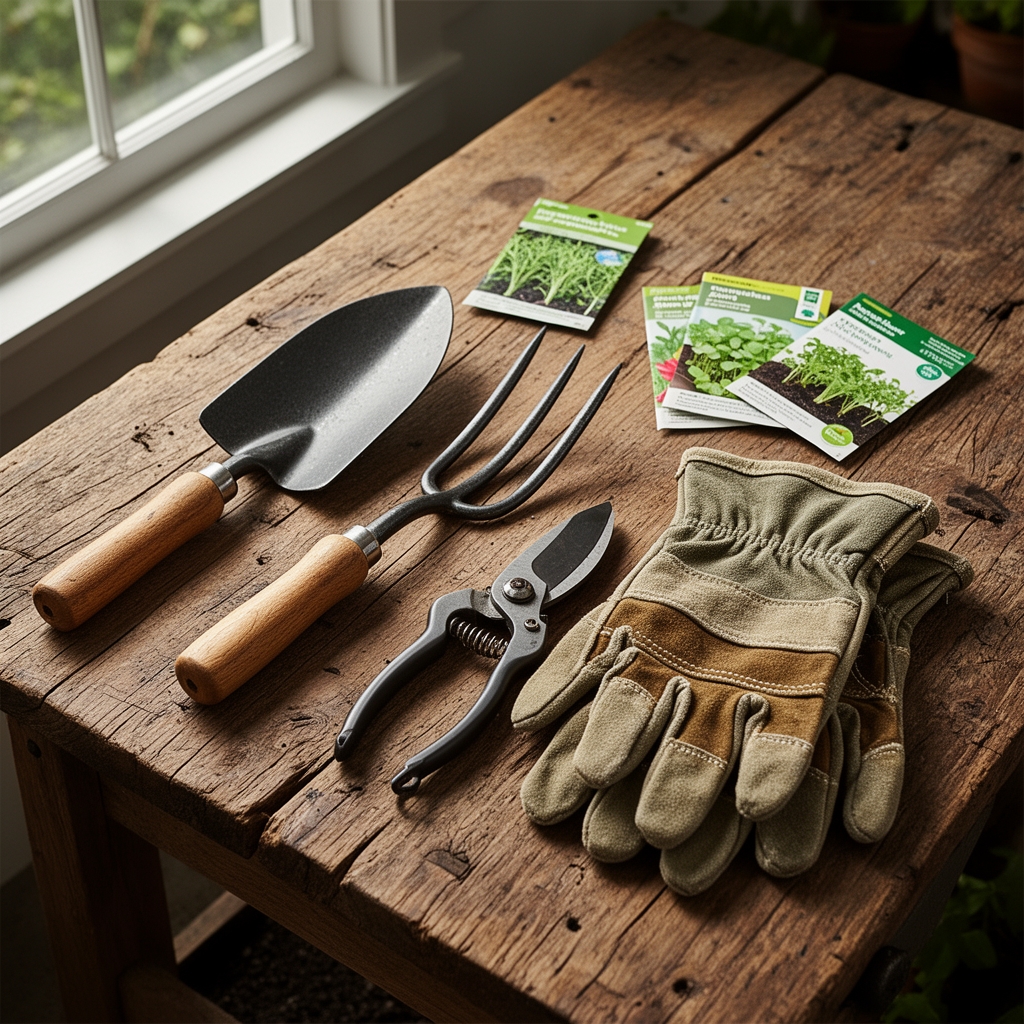
Climate control hardware includes one 120-volt thermostatically controlled heater maintaining 65-72°F, two oscillating fans for air circulation preventing damping-off pathogens, and shade cloth rated at 30 percent density for late-spring heat protection. Electrical service requires GFCI-protected outlets and weatherproof junction boxes meeting NEC Article 210.8 standards.
Soil amendments should be pH-categorized. Lime (calcium carbonate) raises substrate pH to 6.2-6.8 optimal for most vegetable starts. Sulfur lowers pH for acid-preferring crops. Base growing mix combines Canadian sphagnum peat (pH 3.5-4.5), perlite for aeration, and vermiculite providing cation exchange capacity of 100-150 meq/100g. Incorporate organic fertilizer at 4-4-4 NPK ratio, delivering balanced macronutrients without salt accumulation that damages emerging radicles.
Mycorrhizal inoculant (Rhizophagus irregularis) at 150 propagules per gram colonizes root cortex, extending phosphorus acquisition by 60 percent. Kelp meal supplies cytokinins and auxins promoting lateral root initiation. Worm castings contribute humic acids stabilizing soil aggregates.
Timing
Hardiness Zone 5 gardeners initiate indoor sowing eight weeks before last frost date, typically April 15-May 1. Zone 6 advances schedules by ten days. Zone 7 begins mid-February for April 1 transplant windows.
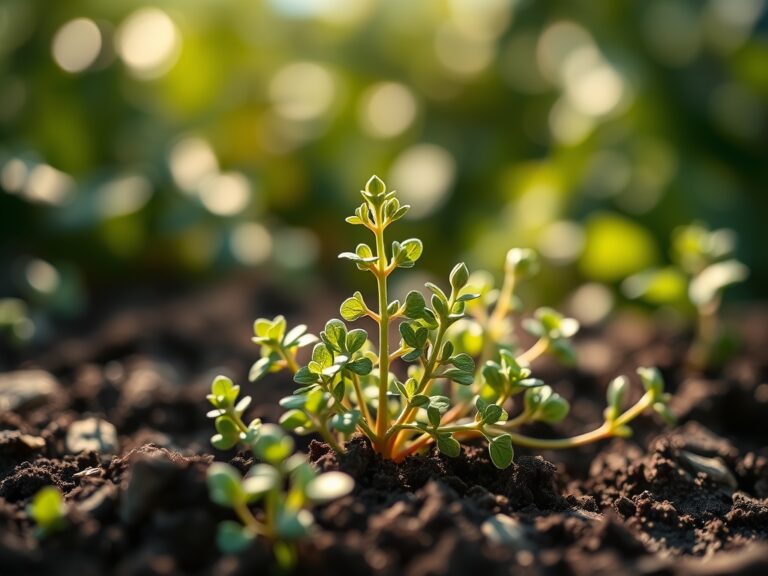
Cool-season brassicas (kale, broccoli, cabbage) tolerate 50°F soil and germinate February 20-March 10 for Zone 6. Warm-season solanaceous crops (tomatoes, peppers, eggplant) require 70°F germination temperature, sown March 15-April 1. Cucurbits (squash, cucumbers, melons) follow April 1-15, as their fibrous root systems resent transplant disturbance beyond four-week nursery duration.
Track Growing Degree Days accumulation. Tomatoes require 1300-1500 GDD to fruiting. Early potting shed starts capture 200-300 additional GDD before field transplant, advancing harvest by 14-18 days.
Phases
Foundation construction begins with 12-inch-deep post holes on 24-inch centers, filled with tamped gravel base. Level posts with 4-foot builder's level, tolerating no more than one-eighth inch deviation across 8-foot span. Anchor with fast-setting concrete mixed to 4000 PSI rating.
Frame walls with 2×4 studs at 16-inch on-center spacing. Install horizontal blocking at 48 inches for rigid shelving attachment points rated to 50 pounds per linear foot. Sheathe exterior with CDX plywood, seal joints with polyurethane caulk, then apply cedar shingles or fiber-cement siding.
Pro-Tip: Orient the primary window wall 15 degrees east of true south. This captures maximum morning photosynthetic flux density while reducing afternoon heat load by 18 percent compared to due-south orientation.
Interior fit-out requires 36-inch-high potting bench with 6-inch backsplash containing soil spillage. Mount fluorescent T5HO fixtures 6 inches above seedling trays, delivering 3000-5000 lumens. Install wire shelving on south wall for hardening-off transition, where seedlings acclimate to increased UV-B radiation and wind movement.
Pro-Tip: Inoculate transplant holes with endomycorrhizal fungi at 1 teaspoon per plant. Hyphae colonize 70 percent of root length within 21 days, increasing drought tolerance by factor of 2.3.
Establishing ventilation prevents ethylene accumulation from seedling respiration. Install gable vents with 144 square inches free area per 100 square feet floor space. Automated louver openers activate at 78°F, maintaining optimal vapor pressure deficit of 0.8-1.2 kPa.
Pro-Tip: Bottom-water seedling trays to promote downward root growth. Top watering encourages shallow lateral roots vulnerable to transplant shock.
Troubleshooting
Symptom: Leggy seedlings with elongated internodes and pale cotyledons.
Solution: Increase light intensity to 5000 lumens minimum. Lower temperature to 62°F night/68°F day differential promoting compact growth habit through reduced gibberellin synthesis.
Symptom: Damping-off with stem constriction at soil line, eventual seedling collapse.
Solution: Reduce watering frequency. Apply Trichoderma harzianum biological fungicide at 1×10^6 CFU per gram of growing mix. Increase air circulation to 0.5 meters per second across seedling canopy.
Symptom: Chlorotic leaves with interveinal yellowing.
Solution: Iron deficiency in high-pH substrate. Apply chelated iron (Fe-EDDHA) foliar spray at 0.1 percent concentration. Amend future batches with sulfur to reduce pH to 6.2.
Symptom: Aphid colonies on brassica seedlings.
Solution: Release Aphidius colemani parasitoid wasps at 1 per square foot. Maintain relative humidity below 60 percent, reducing aphid reproduction rate by 40 percent.
Maintenance
Water when substrate surface dries to one-quarter inch depth. Deliver 1 inch of water per week through bottom trays, allowing 10 percent leachate to prevent salt accumulation. Test electrical conductivity monthly, maintaining 1.0-2.0 mS/cm.
Fertilize weekly with half-strength liquid 5-3-4 NPK solution after true leaves emerge. Calcium nitrate side-dressing at 1 teaspoon per gallon prevents blossom-end rot in tomatoes and peppers.
Harden off transplants across 10-day period. Reduce temperature 5°F every three days while increasing outdoor exposure from 2 hours to 8 hours daily. Final night temperatures should match anticipated field minimums.
Clean benches between crops with 10 percent bleach solution, eliminating Pythium and Rhizoctonia propagules. Sterilize tools in 70 percent isopropyl alcohol for 30 seconds contact time.
FAQ
When should I start seeds indoors?
Count backward from last frost date: 8 weeks for tomatoes, 6 weeks for brassicas, 3 weeks for cucurbits.
What temperature promotes germination?
Cool-season crops germinate at 50-65°F. Warm-season crops require 70-75°F soil temperature for 80 percent emergence rates within 7 days.
How much light do seedlings need?
14-16 hours daily at 3000-5000 lumens intensity prevents etiolation while maintaining compact growth habit.
Why do my seedlings wilt after transplanting?
Transplant shock from root hair damage. Water with kelp extract containing 0.1 percent indole-3-butyric acid to stimulate adventitious root formation within 48 hours.
Can I reuse potting mix?
Pasteurize at 180°F for 30 minutes to kill soilborne pathogens. Amend with 20 percent fresh compost and recharge with 4-4-4 organic fertilizer at 2 tablespoons per gallon.