7 Steps to Prepare a Secure Decorative Garden Arbor Site
Crushing a handful of damp, friable loam reveals the structural integrity of your rhizosphere; it should crumble under light pressure while retaining enough moisture to provide turgor to a young vine. A garden arbor is more than a structural ornament; it is a heavy architectural load that must withstand wind shear and the increasing biomass of perennial climbers. Learning how to prepare a site for a garden arbor requires a deep understanding of soil mechanics and plant physiology. If the foundation is unstable, the resulting lean will stress the vascular tissues of your plants, leading to localized necrosis or mechanical failure during high wind events. You must evaluate the Cation Exchange Capacity (CEC) of the soil to ensure that the heavy feeders you plant at the base, such as Clematis or climbing roses, have access to necessary micronutrients. Proper site preparation ensures the root zone remains aerobic and the structural posts remain plumb.
Materials:
The success of the site depends on the chemical and physical composition of the substrate. You require a soil pH between 6.0 and 7.0 for most ornamental climbers to optimize nutrient bioavailability. High alkalinity (pH above 7.5) often locks out iron and manganese, while high acidity (pH below 5.5) can lead to aluminum toxicity.
For the initial soil amendment, utilize a balanced NPK ratio of 10-10-10 to support early root establishment without forcing excessive, weak vegetative growth. Incorporate organic matter to achieve a friable loam texture, which consists of roughly 40 percent sand, 40 percent silt, and 20 percent clay. This specific balance ensures a high Cation Exchange Capacity, allowing the soil to hold onto positively charged ions like Calcium (Ca2+) and Magnesium (Mg2+). You will also need 3/4-inch crushed stone for the drainage base of each post hole to prevent anaerobic conditions and root rot.
Timing:
The biological clock for site preparation is dictated by your local frost-date windows. In USDA Hardiness Zones 5 through 7, site excavation should occur in early spring, at least four weeks before the last predicted frost. This allows the soil to settle before the transition from the vegetative stage to the reproductive stage in your chosen flora.
If you are planting woody perennials, the "Biological Clock" suggests that site preparation should be completed while the plants are still in endodormancy. This minimizes transplant shock. Soil temperature is a critical metric; do not begin excavation if the internal soil temperature is below 45 degrees Fahrenheit (7 degrees Celsius), as working frozen soil destroys the soil aggregates and leads to long term compaction issues.
Phases:
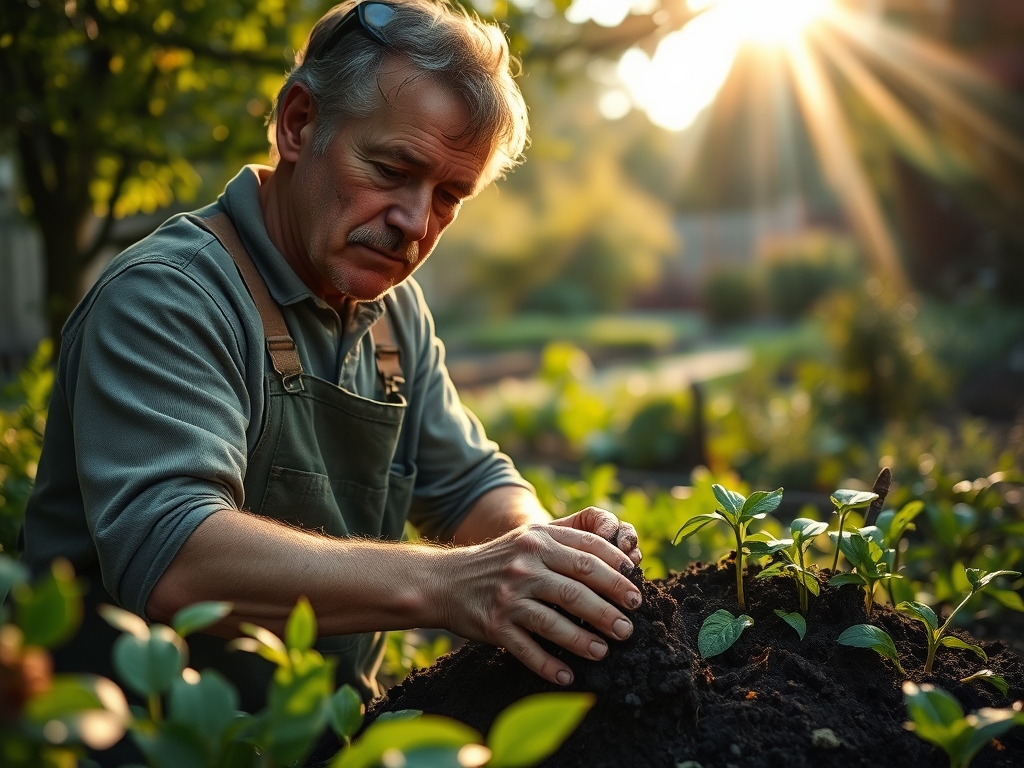
Sowing and Excavation
Begin by marking a footprint that is 12 inches wider than the arbor base. Excavate post holes to a depth of 24 to 36 inches, or at least 6 inches below the local frost line to prevent frost heave. Remove all turf and competitive weed species within a 3 foot radius of the planting site.
Pro-Tip: Proper excavation depth prevents frost heave, a mechanical process where freezing water lenses in the soil expand and eject the post upward. Maintaining a depth below the frost line ensures the thermal mass of the earth keeps the footings stable.
Transplanting and Anchoring
Set your posts in a base of 6 inches of compacted gravel. When backfilling with concrete or stabilized soil, ensure the post is perfectly vertical using a level. Once the structure is secure, backfill the planting pockets with the amended friable loam. When moving plants into the site, maintain the same soil line as the original nursery pot to avoid stem rot.
Pro-Tip: Use a mycorrhizal inoculant during transplanting. This encourages mycorrhizal symbiosis, where fungal filaments extend the reach of the root system, increasing the surface area for phosphorus uptake and water absorption.
Establishing and Training
Once the arbor is set, install horizontal lead wires if the structure lacks narrow rungs. Secure the primary canes using loose ties to allow for secondary thickening of the xylem and phloem. Monitor the photoperiod requirements of your plants; most flowering climbers require at least 6 to 8 hours of direct solar radiation to trigger the reproductive phase.
Pro-Tip: Avoid tight bindings to prevent auxin suppression. Auxins are hormones that regulate growth; if a stem is constricted, the flow of auxins is disrupted, leading to stunted growth or "girdling" where the plant eventually chokes itself.
The Clinic:
Physiological disorders often manifest shortly after site installation due to environmental stress or improper soil chemistry.
- Symptom: Interveinal chlorosis (yellowing leaves with green veins) on new growth.
- Solution: This indicates an Iron (Fe) deficiency, often caused by high soil pH. Apply chelated iron and check the pH levels to ensure they are below 7.0.
- Symptom: Leaf wilting despite moist soil.
- Solution: This is likely root suffocation or "wet feet." The soil lacks macropores for oxygen. Increase drainage by adding perlite or coarse sand to the rhizosphere.
- Symptom: Stunted growth and purple tinting on the underside of leaves.
- Solution: Phosphorus (P) deficiency. This often occurs in cold soils where microbial activity is low. Apply a high-phosphate starter fertilizer (e.g., NPK 5-20-10).
- Symptom: Marginal leaf burn (browning edges).
- Solution: Potassium (K) deficiency or salt accumulation. Flush the soil with 2 inches of water to leach excess salts and supplement with sulfate of potash.
Maintenance:
Precision is required to maintain the structural and biological health of the arbor site. Apply exactly 1.5 inches of water per week at the drip line using a soaker hose to ensure deep root penetration. Use a soil moisture meter every three days to verify that the moisture has reached a depth of 8 inches.
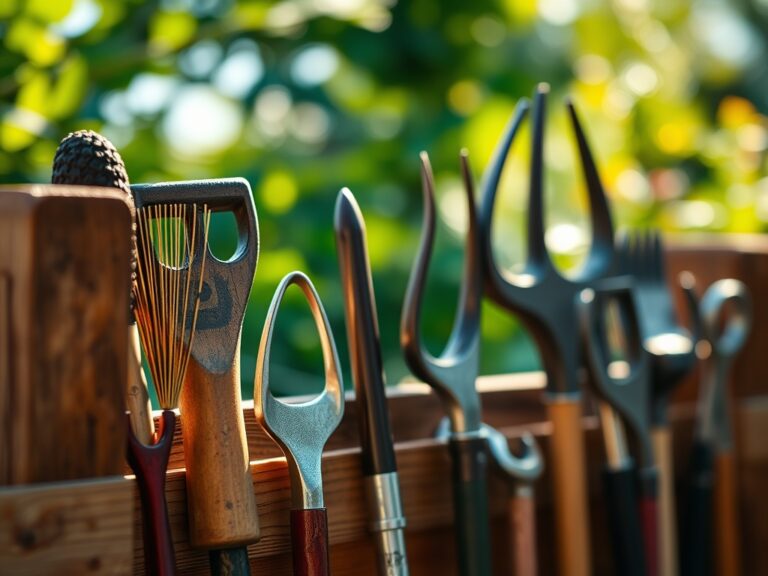
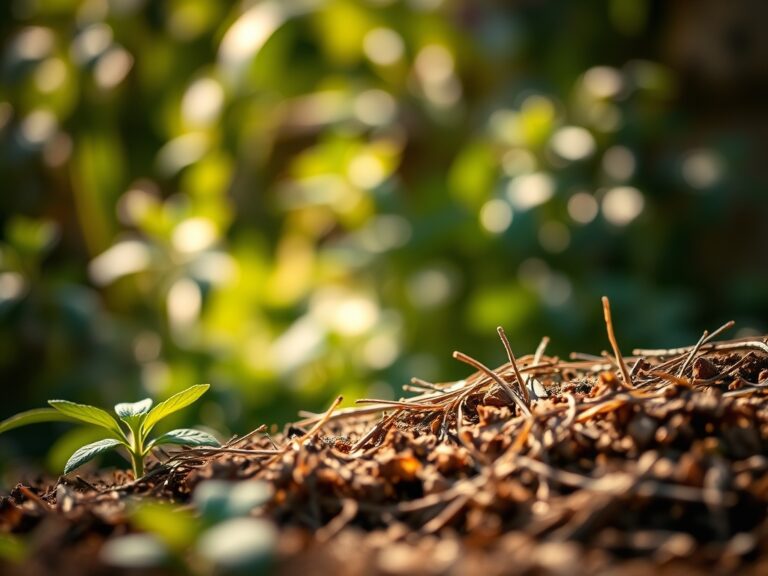
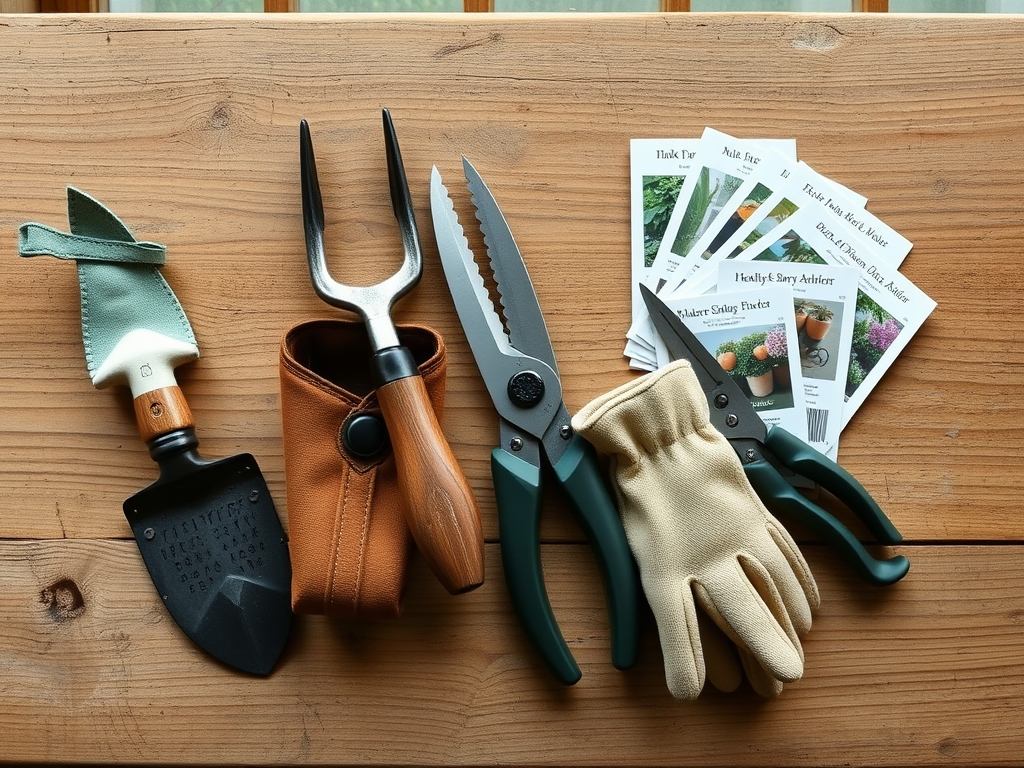
Pruning is essential for air circulation. Use sharp bypass pruners to remove dead, damaged, or diseased wood (the "3 Ds"). When weeding around the base, use a hori-hori knife to extract taproots without disturbing the lateral roots of your ornamental plants. Apply a 2 inch layer of organic mulch, keeping it 4 inches away from the main stems to prevent fungal pathogens from colonizing the bark.
The Yield:
For flowering climbers like Jasmine or Roses, harvest blooms when they are in the "tight bud" stage or just as the first petals begin to unfurl. Use a sterilized blade to cut at a 45 degree angle above a lateral bud. To maintain "day-one" freshness, immediately submerge the stems in 110 degree Fahrenheit water to remove air bubbles from the xylem, then move them to a cool environment. This process, known as "conditioning," maximizes turgor pressure and extends the post-harvest life of the flora.
FAQ:
How deep should I dig the holes for a garden arbor?
Dig holes at least 24 to 36 inches deep. The depth must exceed the local frost line by 6 inches to prevent frost heave from shifting the structure and damaging the root systems of your climbers.
What is the best soil for a garden arbor site?
Use a friable loam with a pH between 6.0 and 7.0. The mix should be roughly 40% sand, 40% silt, and 20% clay to ensure high Cation Exchange Capacity and proper drainage for the rhizosphere.
How do I prevent my arbor posts from rotting?
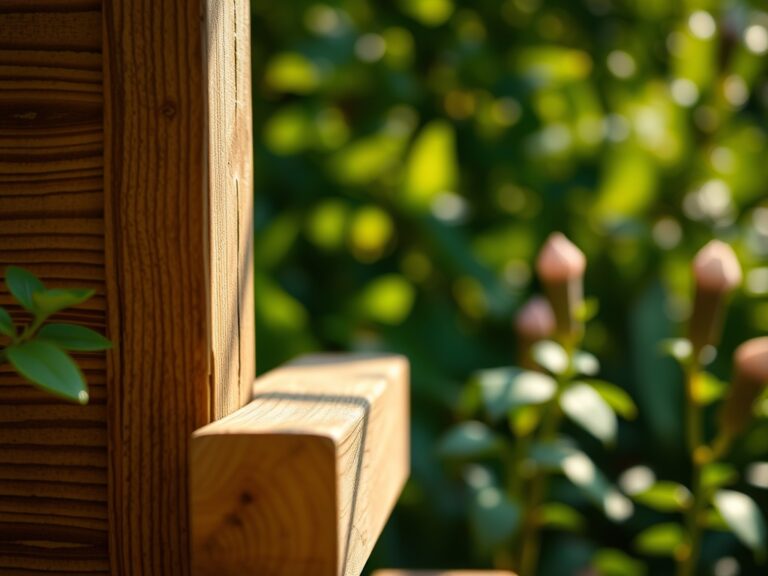
Use pressure-treated wood or rot-resistant species like cedar. Set the posts on 6 inches of crushed stone to facilitate drainage and ensure the concrete or soil slopes away from the post to prevent water pooling.
When is the best time to prepare the site?
Prepare the site in early spring when soil temperatures reach 45 degrees Fahrenheit. This allows for structural settling and soil amendment before the plants exit endodormancy and begin their active vegetative growth phase.
How much water do plants at an arbor site need?
Most climbers require 1.5 inches of water per week. Deliver this water at the drip line using a soaker hose to encourage deep root growth and maintain consistent turgor pressure throughout the plant's vascular system.