9 Household Items to Prepare a DIY Indoor Plant Food
Understanding how to prepare a DIY indoor plant food transforms kitchen waste and pantry staples into bioavailable nutrition. The scent of steeping comfrey tea or the crystalline texture of dissolved Epsom salt signals more than thrift. It represents control over nitrogen ratios, calcium uptake, and mycorrhizal colonization rates. Commercial fertilizers mask deficiencies with broad-spectrum salts. Homemade blends address specific metabolic pathways in your ficus, monstera, or pothos.
Materials
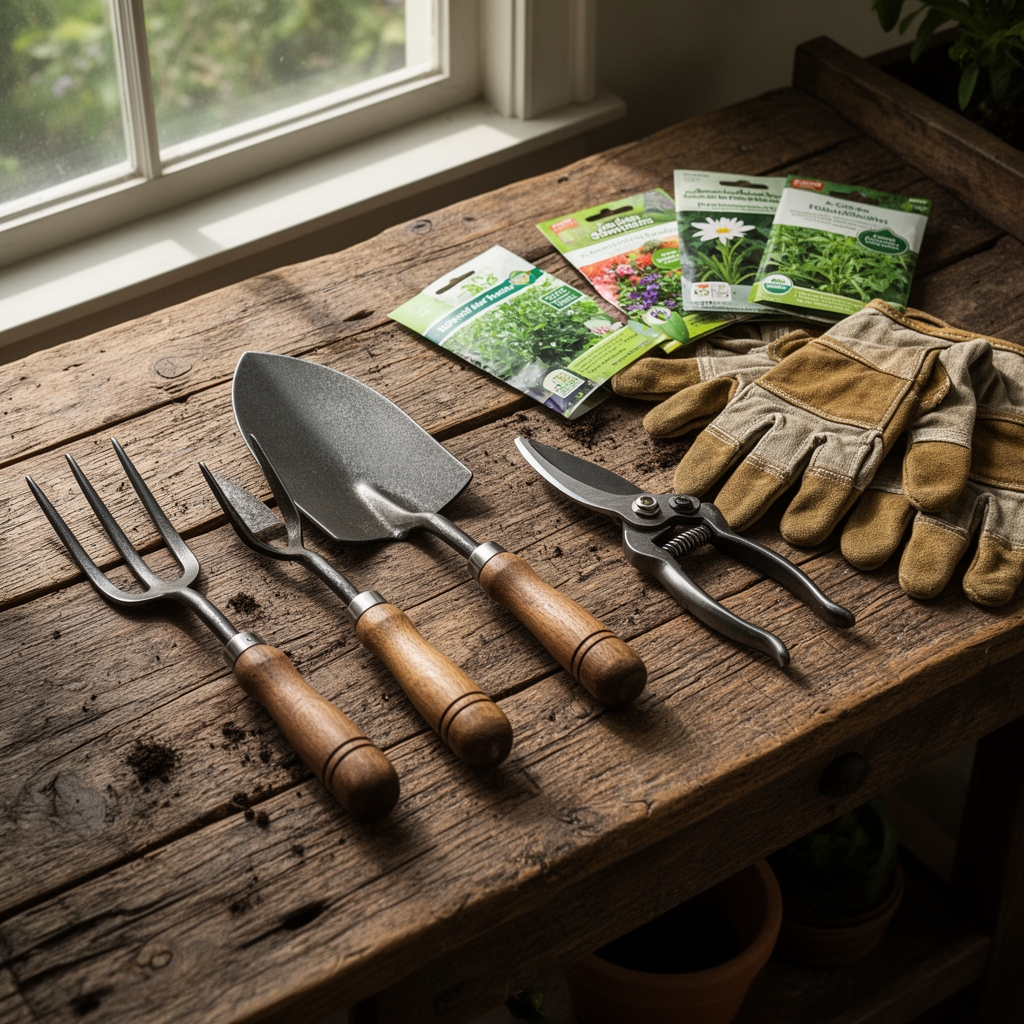
Selecting household items by their NPK profile and pH influence ensures balanced nutrition. Coffee grounds offer a 2-0.3-0.3 ratio with a pH of 6.5-6.8, ideal for acid-loving species like gardenia. Used tea leaves contribute trace manganese and a similar pH footprint. Banana peels provide 0-3-42 when dried and powdered, targeting potassium-hungry bloomers such as African violets.
Crushed eggshells deliver calcium carbonate at pH 9.0, countering substrate acidity and preventing blossom-end rot analogs in fruiting indoor varieties. Wood ash contributes 0-1-3 with pH 10.0-12.0; use sparingly to avoid aluminum toxicity. Epsom salt (magnesium sulfate) dissolves instantly for foliar or root application, addressing chlorosis in palms and citrus.
Blackstrap molasses supplies carbohydrates that fuel beneficial bacteria, enhancing cation exchange capacity in potting media. Aquarium water recycles nitrate (NO3-) and phosphate (PO4-3) already converted by nitrifying bacteria. Gelatin powder contributes nitrogen in amino-acid chains, readily metabolized by root hairs.
Timing
Indoor environments eliminate hardiness zone constraints, yet circadian and seasonal photoperiod shifts govern nutrient demand. In USDA zones 3-6, winter months reduce indoor light intensity by 40-60% compared to summer peaks. Feed bi-weekly from March through September when auxin distribution accelerates apical growth. Taper to monthly applications from October through February as stomatal conductance declines.
Tropical species from zones 10-12 maintain year-round metabolism under supplemental lighting. Maintain consistent feeding schedules with diluted solutions every 10 days. For forced bulbs or winter-blooming cyclamen, initiate feeding six weeks before expected bloom to stockpile phosphorus in vacuoles.
Phases

Preparation Phase
Collect coffee grounds and rinse to pH 6.5, removing residual oils that inhibit water penetration. Dry banana peels at 170°F for four hours until brittle. Grind in a blender to 40-mesh particle size for rapid mineralization. Crush eggshells with mortar and pestle; bake at 200°F for ten minutes to sterilize salmonella risk.
Pro-Tip: Inoculate dried materials with Trichoderma harzianum spores before blending. This fungal species colonizes organic matter, producing chitinase enzymes that release bound nitrogen during decomposition.
Mixing Phase
Combine two tablespoons of ground banana peel, one tablespoon of coffee grounds, and one teaspoon of crushed eggshell per gallon of dechlorinated water. Add one teaspoon of blackstrap molasses to feed aerobic bacteria. Steep for 48 hours at 68-72°F, stirring every 12 hours to aerate and prevent anaerobic fermentation.
For magnesium supplementation, dissolve one tablespoon of Epsom salt per gallon separately. Combine with steeped mixture at application time to avoid precipitation. Strain through cheesecloth to remove particulates that clog soil pores.
Pro-Tip: Introduce Azospirillum brasilense or Bacillus subtilis cultures during steeping. These rhizobacteria fix atmospheric nitrogen and solubilize phosphorus, increasing nutrient bioavailability by 22-30%.
Application Phase
Apply diluted solution (1:4 ratio with water) until 10% drains from pot base. This leaches accumulated salts while replenishing macronutrients. For foliar feeding, dilute 1:8 and mist undersides of leaves at dawn when stomata open. Target calcium-demanding genera like Ficus and Alocasia.
Gelatin-based feeding occurs bi-monthly. Dissolve one packet of unflavored gelatin in one quart of warm water. Cool to room temperature before drenching soil. Avoid foliage contact; protein residues attract fungus gnats.
Pro-Tip: Adjust application to 30-degree angle pour at the pot perimeter, not crown. This directs nutrients toward feeder roots in the outer rhizosphere where mycorrhizal hyphae concentrate.
Troubleshooting
Symptom: Interveinal chlorosis on new growth. Solution: Dissolve one teaspoon of Epsom salt per gallon. Drench soil and mist foliage twice weekly for three weeks. Magnesium deficiency disrupts chlorophyll synthesis in rapidly expanding leaves.
Symptom: Brown leaf tips with white salt crust on pot rim. Solution: Flush soil with three times pot volume of distilled water. Reduce feeding frequency to monthly. Excess potassium from banana peels accumulates in xylem, causing marginal necrosis.
Symptom: Slow growth with dark green, brittle leaves. Solution: Cease nitrogen inputs for four weeks. Excess coffee grounds elevate tissue nitrogen above 5%, triggering lignification and reducing cell wall elasticity.
Symptom: Fungus gnat larvae in top two inches of soil. Solution: Top-dress with one-quarter inch of dry coffee grounds. Caffeine content (1.5-2.0%) exhibits larvicidal properties against Bradysia species.
Maintenance
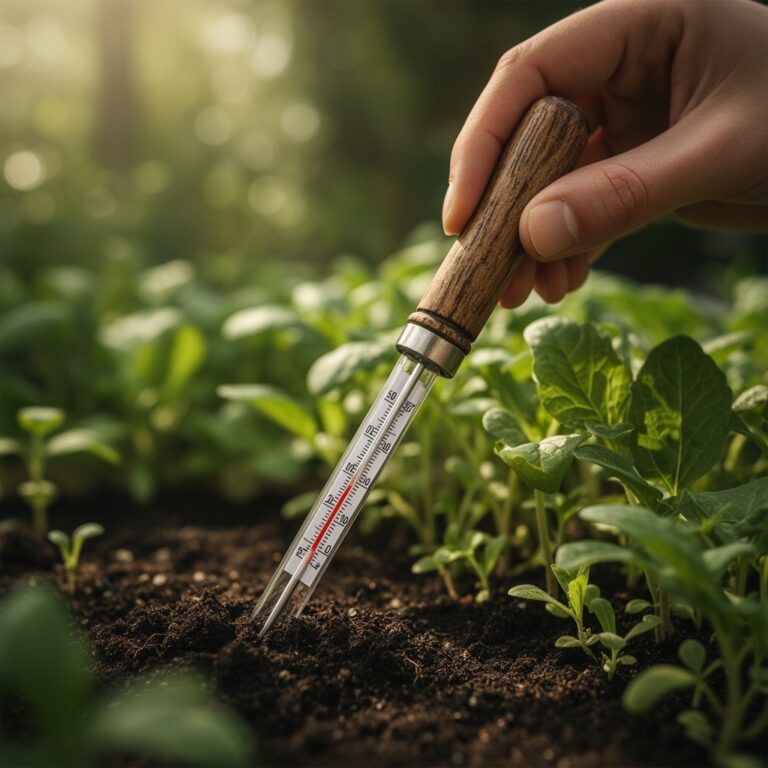
Apply base fertilizer blend every 14 days at half-strength during active growth. Water indoor plants when top one inch of substrate reaches 25% moisture content; use a tensiometer for precision. Rotate pots 90 degrees weekly to equalize auxin redistribution and prevent phototropic lean.
Flush soil quarterly with distilled water at three times container volume to reset cation exchange sites. Monitor pH monthly with a calibrated meter; adjust with dolomitic lime (raises pH) or sulfur (lowers pH) in one-quarter teaspoon increments per gallon of media.
Repot every 18-24 months using 60% peat, 30% perlite, and 10% worm castings. This ratio maintains porosity (30-40% air space) while buffering pH at 6.0-6.5.
FAQ
How often should I prepare fresh batches?
Brew weekly in small quantities. Microbial populations crash after 72 hours, reducing enzymatic activity by 65%.
Can I use aquarium water exclusively?
No. Aquarium water lacks calcium and often contains excess phosphorus (5-10 ppm), causing iron lockout. Blend 1:1 with eggshell tea.
Will banana peel tea attract pests?
Fermented sugars lure fruit flies. Bury spent peels two inches deep or compost separately.
Is wood ash safe for all species?
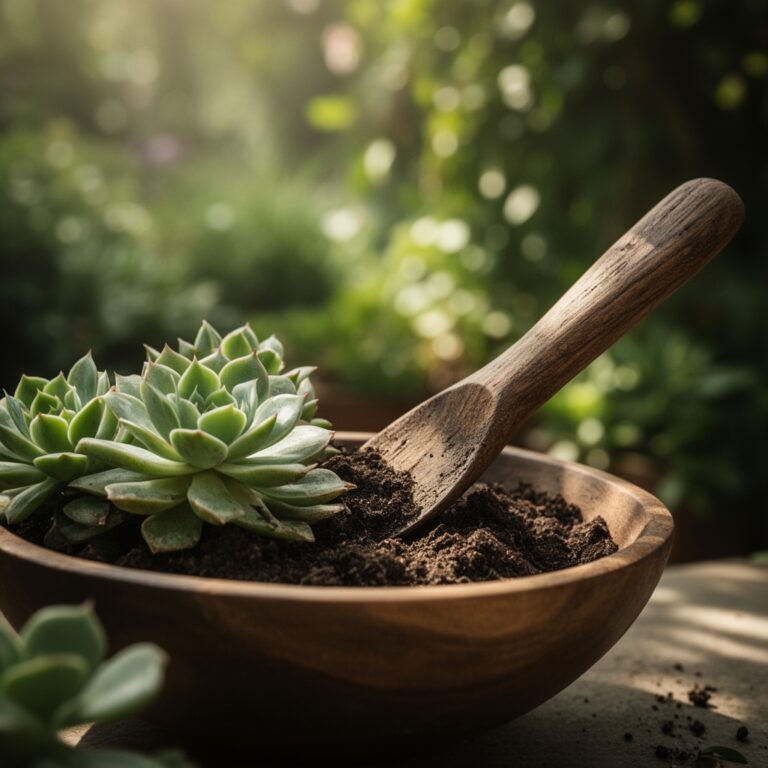
Use only for alkaline-tolerant plants like succulents. Exceeding pH 7.5 precipitates micronutrients, causing manganese and iron deficiencies.
How do I store excess fertilizer?
Refrigerate strained liquid in sealed glass for five days maximum. Freeze in ice cube trays for monthly use; thaw and dilute before application.