9 Expert Ways How to Grow Chocolate Mint
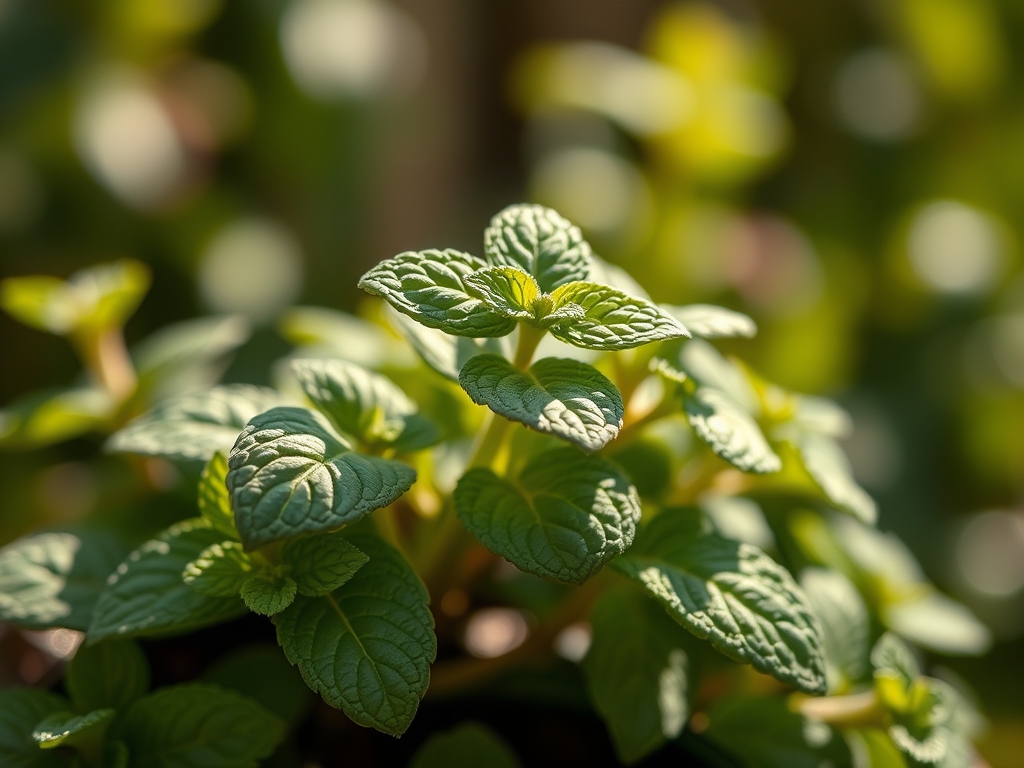
Crush a leaf of Mentha x piperita 'Citrata' between your thumb and forefinger to release a heavy concentration of linalool and limonene. The scent is a sharp intersection of cooling menthol and the dark, roasted notes of cocoa. Successful cultivation requires managing high turgor pressure within the plant cells to maintain the structural integrity of the stems. Learning how to grow chocolate mint involves mastering the aggressive growth of its rhizomatous root system while balancing soil moisture levels to prevent cellular collapse.
Materials:
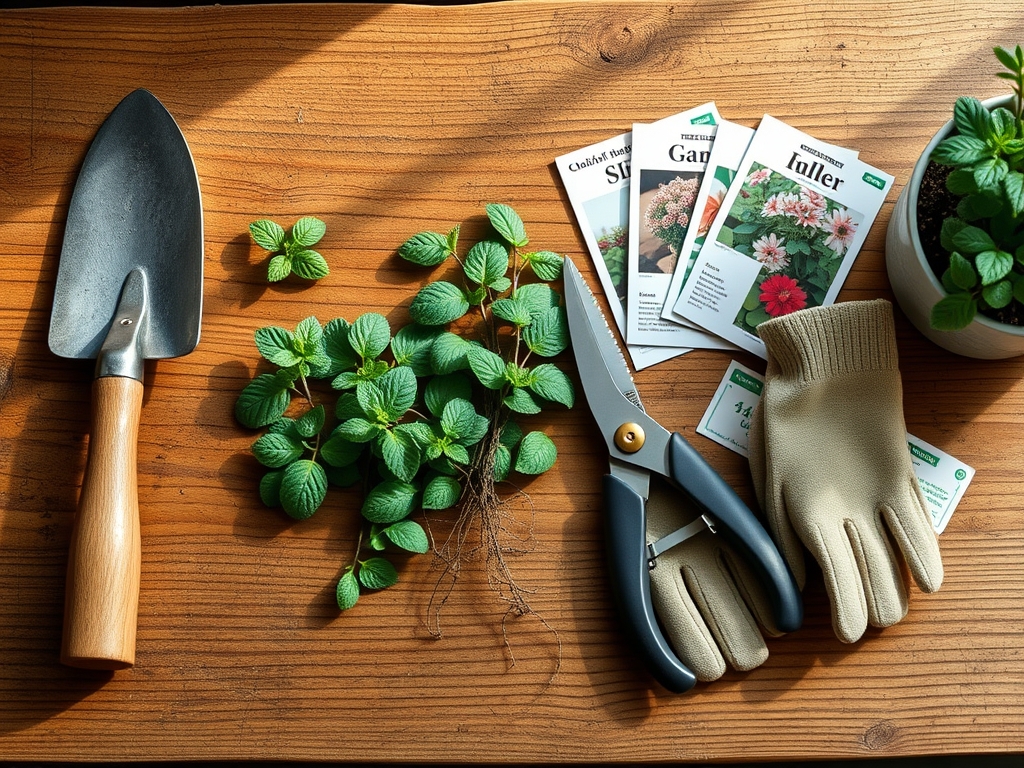
The biological success of chocolate mint begins with the substrate. You require a **friable loam** with a high organic matter content to facilitate gas exchange within the rhizosphere. The ideal soil pH sits between **6.0 and 7.0**. If your soil is too acidic, the Cation Exchange Capacity (CEC) will be compromised; essential nutrients like magnesium and calcium will become chemically unavailable to the roots.
For nutrient inputs, utilize a balanced NPK ratio of 10-10-10 during the initial planting phase. As the plant enters its peak vegetative growth, transition to a higher nitrogen fertilizer, such as a 5-1-1 fish emulsion, to support the rapid development of chlorophyll-dense foliage. Ensure your containers or garden beds have a high water-holding capacity but sufficient macropores to prevent anaerobic conditions.
Timing:
Chocolate mint is a hardy perennial across USDA Hardiness Zones 3 through 9. The biological clock of this cultivar is governed by the photoperiod. It remains in a vegetative state during the long days of early summer and transitions to its reproductive stage (flowering) as daylight hours begin to wane in late summer.
The optimal planting window opens when soil temperatures consistently reach 55 degrees Fahrenheit (13 degrees Celsius). In most temperate regions, this occurs two weeks after the last spring frost. Planting too early in cold, saturated soil leads to root inhibition and increased susceptibility to fungal pathogens. If you are growing in a greenhouse, maintain a diurnal temperature fluctuation between 65 degrees Fahrenheit during the day and 55 degrees Fahrenheit at night to mimic its natural habitat.
Phases:

Sowing and Propagation
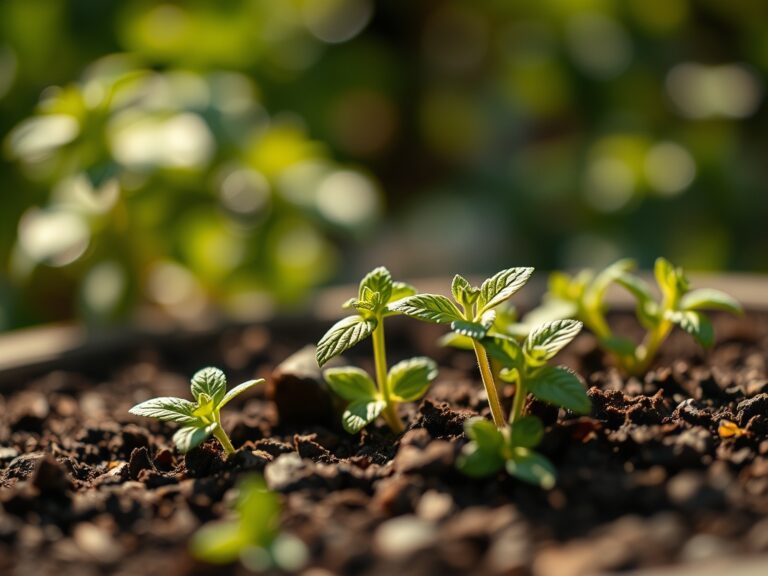
Chocolate mint is a sterile hybrid; it cannot be grown from seed with any degree of genetic consistency. You must propagate via stem cuttings or rhizome division. Take a 4-inch cutting from a healthy mother plant, stripping the lower leaves to expose the nodes. Submerge the nodes in deionized water or a sterile rooting medium.
Pro-Tip: Utilize auxin suppression by pinching off the apical meristem (the tip). This disrupts apical dominance and forces the plant to redirect energy to lateral buds, resulting in a bushier, more productive specimen.
Transplanting
When the root system has reached a length of 2 inches, transplant the specimen into its permanent location. Space individual plants 18 to 24 inches apart. Because of its invasive nature, many professionals install physical barriers or grow chocolate mint in dedicated containers to prevent the rhizomes from overtaking the garden.
Pro-Tip: Inoculate the planting hole with mycorrhizal fungi. This symbiotic relationship extends the root surface area, allowing the plant to scavenge phosphorus and micronutrients more efficiently from the surrounding soil matrix.
Establishing
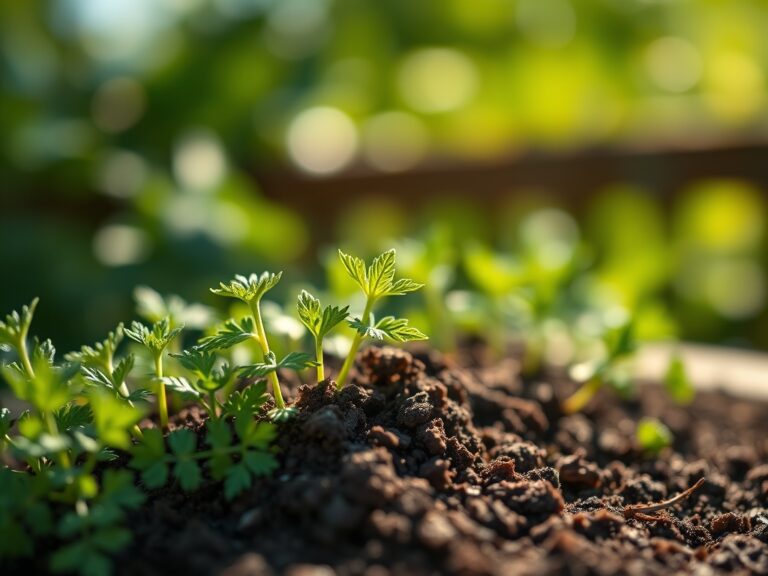
During the first 21 days, the plant focuses on establishing its root architecture. Maintain consistent moisture levels to prevent the wilting of the soft, succulent stems. Observe the leaves for signs of osmotic stress; if the leaves lose their gloss, the plant is likely experiencing a water deficit.
Pro-Tip: Monitor phototropism by rotating containers 90 degrees every three days. This ensures even light distribution across the canopy and prevents the plant from becoming "leggy" as it reaches toward the primary light source.
The Clinic:
Physiological disorders in chocolate mint are often the result of environmental stressors or nutrient imbalances.
- Nitrogen Chlorosis: Older leaves turn a pale yellow while veins remain slightly green. Fix-It: Apply a quick-release liquid nitrogen fertilizer at a rate of 1 tablespoon per gallon of water.
- Rust (Puccinia menthae): Small, orange, spore-filled pustules appear on the undersides of leaves. Solution: Improve air circulation and avoid overhead irrigation. Remove infected foliage immediately with sterilized shears.
- Anthracnose: Small, sunken leopard-like spots on stems and leaves. Solution: Reduce humidity levels and apply a copper-based fungicidal spray if the infection persists.
- Root Rot (Pythium): Stems turn mushy at the soil line and the plant collapses. Fix-It: This is usually terminal. Improve drainage and reduce irrigation frequency to allow the top 1 inch of soil to dry between waterings.
Maintenance:
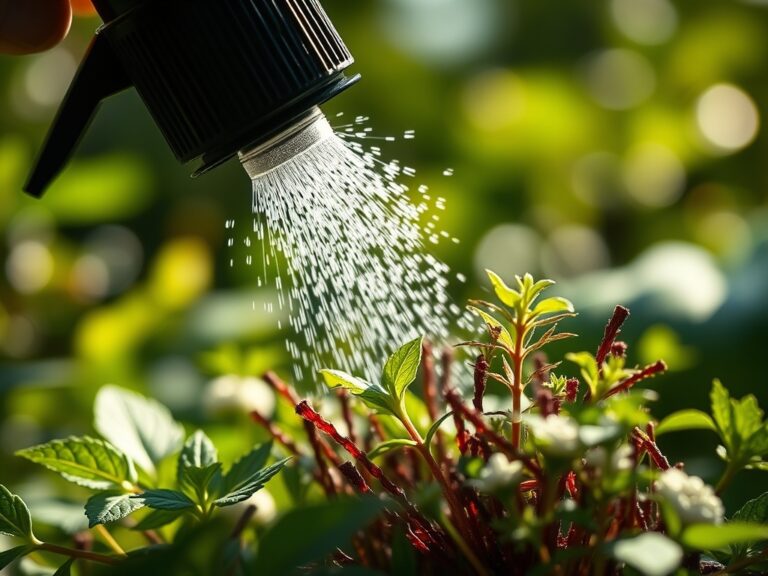
Precision is the hallmark of a master gardener. Chocolate mint requires 1.5 inches of water per week, delivered directly to the drip line to keep the foliage dry. Use a soil moisture meter to verify that the root zone remains at approximately 60 percent field capacity.
Weeding should be performed with a hori-hori knife to slice through the roots of competing species without disturbing the mint's shallow rhizomes. Every six weeks, use bypass pruners to remove the top third of the plant. This prevents the stems from becoming woody and encourages a fresh flush of aromatic leaves. If the plant begins to produce purple flowers, shear them off immediately to prevent the leaves from becoming bitter as the plant shifts its energy toward seed production and senescence.
The Yield:
Harvesting can begin once the plant reaches a height of 6 to 8 inches. The highest concentration of essential oils is found in the leaves just before the plant flowers. Harvest in the early morning after the dew has evaporated but before the sun reaches its zenith; this is when the plant's volatile oils are most stable.
Cut the stems 2 inches above the soil line. To maintain "day-one" freshness, place the cut stems in a beaker of cool water or wrap them in a damp paper towel and store them in a refrigeration unit at 40 degrees Fahrenheit. For long-term storage, bundle the stems and hang them upside down in a dark, well-ventilated area until the leaves are brittle to the touch.
FAQ:
How much sun does chocolate mint need?
Chocolate mint thrives in 6 to 8 hours of direct sunlight. In regions where afternoon temperatures exceed 90 degrees Fahrenheit, provide filtered shade to prevent leaf scorch and maintain high essential oil content within the foliage.
Can you grow chocolate mint indoors?
Yes. Place the plant in a south-facing window or under a full-spectrum LED grow light for 12 to 14 hours daily. Maintain a consistent ambient temperature and use a pebble tray to increase local humidity around the leaves.
Why are my chocolate mint leaves turning purple?
Purpling is often a sign of phosphorus deficiency or exposure to cold temperatures. If the soil is below 50 degrees Fahrenheit, the plant cannot effectively transport phosphorus. Check your soil pH to ensure it remains above 6.0.
How do I stop chocolate mint from spreading?
The most effective method is physical containment. Plant the mint in a submerged 5-gallon bucket with the bottom removed or keep it in a standalone ceramic pot. This prevents the underground rhizomes from migrating into adjacent garden beds.
What is the best fertilizer for chocolate mint?
Use a high-nitrogen organic fertilizer like fish emulsion or blood meal every four weeks during the growing season. Avoid over-fertilizing with phosphorus, as this can trigger premature flowering and reduce the quality of the harvest.