8 Variety Steps to Prepare a Bathroom for Tropical Plants
Converting a standard bathroom into a thriving microhabitat for tropical specimens requires precise manipulation of ambient moisture, light penetration, and substrate chemistry. Learning how to prepare a bathroom for humidity-loving plants means transforming porcelain and tile into a functional greenhouse where genera like Philodendron, Alocasia, and Calathea express their full genetic potential. The air already carries latent heat from showers, creating baseline conditions that mimic the understory of equatorial forests at 70-90% relative humidity.
Materials
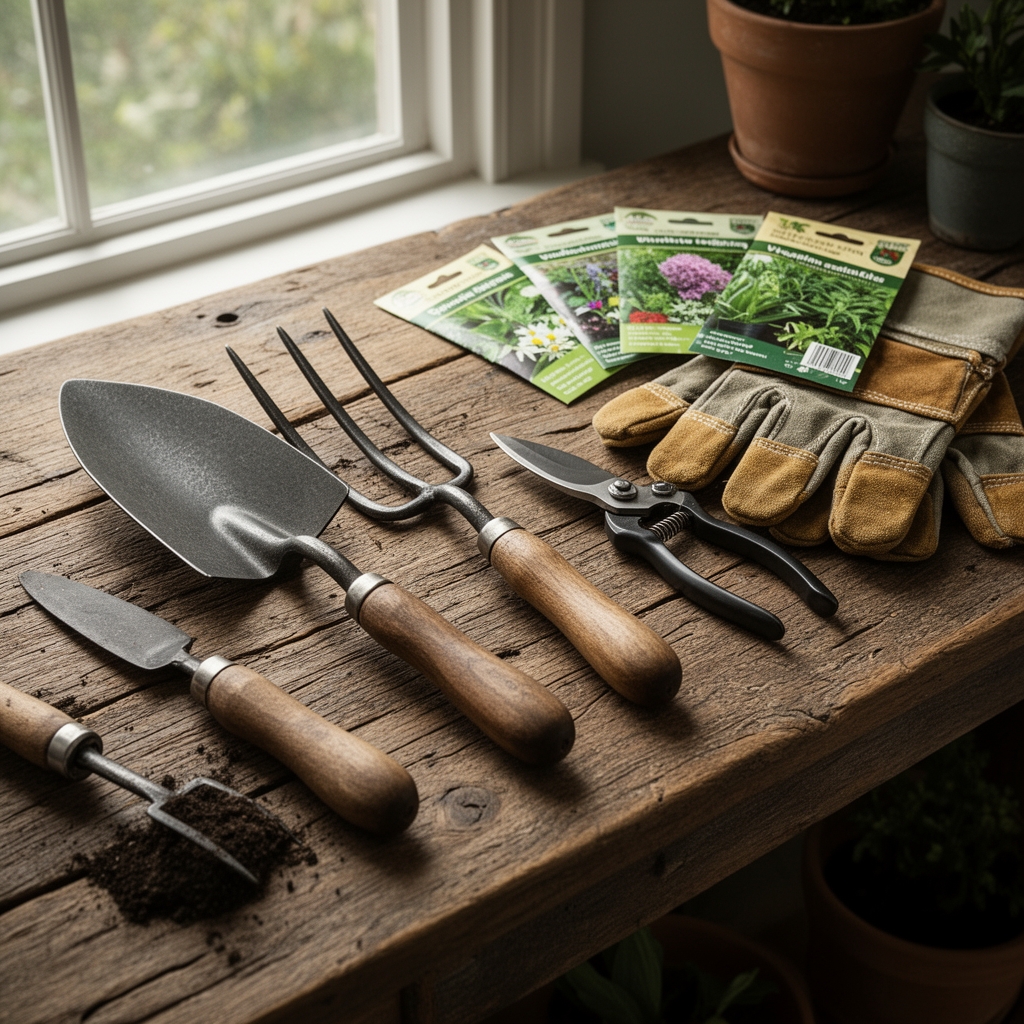
Substrate Components (pH 5.5-6.5):
- Sphagnum peat moss (4 parts): Maintains cation exchange capacity at 100-150 meq/100g
- Perlite (2 parts): Ensures 20-30% air-filled porosity post-irrigation
- Orchid bark (1 part): Promotes aerobic root zone conditions
- Earthworm castings (0.5 parts): Delivers NPK ratio of 1-0-0 with slow-release nitrogen
Fertilizer Protocol (NPK specifications):
- Fish emulsion 5-1-1: Apply at 1/4 strength every 14 days during active growth
- Kelp meal 1-0.5-2: Top-dress 1 tablespoon per 6-inch pot quarterly
- Dolomitic lime: 1 teaspoon per gallon of media to buffer pH and supply calcium
Infrastructure:
- Full-spectrum LED grow lights (5000-6500K): 200-400 foot-candles for low-light epiphytes
- Hygrometer with data logging capability (accuracy +/- 2%)
- Ceramic cachepots without drainage holes to maintain localized humidity
- Stainless steel plant stands resistant to sustained moisture exposure
Timing
Bathroom acclimation follows the same phenological windows as outdoor hardiness considerations. For USDA Zones 3-7, initiate transfers between March 15 and April 30 when indoor heating cycles decrease and natural light duration exceeds 12 hours. Subtropical specimens (Zones 8-11 analogs) tolerate year-round placement but show peak growth velocity from May through September when ambient temperatures stabilize at 72-78°F.
Avoid winter installation between November and February. Central heating systems drop relative humidity below 30%, triggering leaf margin necrosis and stomatal closure. If emergency winter transfers are necessary, run a cool-mist humidifier continuously, delivering 0.5 gallons of moisture per 100 square feet daily.
Phases
Phase 1: Environmental Calibration (Days 1-7)
Measure baseline bathroom conditions for 72 consecutive hours. Record temperature fluctuations, humidity nadir (typically 6:00 AM), and lux readings at plant placement heights. Install LED fixtures 18-24 inches above anticipated canopy positions, programming 10-hour photoperiods initially.
Clean all surfaces with 3% hydrogen peroxide solution to eliminate mold spores and soap residue that interfere with stomatal function. Seal grout lines if necessary to prevent water intrusion into wall cavities.
Pro-Tip: Scatter lava rock in shower corners. The porous basalt absorbs water and releases it through evaporation, raising local humidity by 8-12 percentage points between shower events.
Phase 2: Specimen Selection and Potting (Days 8-10)
Choose plants exhibiting active root growth, indicated by white root tips visible through drainage holes. Reject specimens with yellow basal leaves or substrate emitting anaerobic odors.
Pot up using the prepared media blend, leaving 0.5 inches between soil surface and pot rim for irrigation space. Firm substrate gently to eliminate air pockets but maintain loose structure. Water thoroughly with room-temperature dechlorinated water until drainage occurs.
Inoculate root zones with mycorrhizal fungi (Glomus intraradices) at 1 teaspoon per gallon of media. These arbuscular associations increase phosphorus uptake efficiency by 40-60% in humid, low-nutrient conditions.
Pro-Tip: Score root-bound specimens with vertical cuts 0.25 inches deep along four cardinal points. This mechanical disruption redirects auxin distribution and stimulates lateral root emergence within 10 days.
Phase 3: Acclimatization (Days 11-30)
Introduce plants during evening hours to minimize transpiration shock. Mist foliage lightly with 68°F water, avoiding pooling in leaf axils where bacterial soft rot initiates.
Monitor substrate moisture with a penetrating probe. Maintain consistent dampness at the 2-inch depth, equivalent to a wrung-out sponge (40-50% volumetric water content). Overhead watering from showers provides supplemental humidity but avoid direct hot water contact above 95°F.
Rotate pots 90 degrees weekly to ensure uniform light interception and prevent phototropic leaning. Specimens establish structural equilibrium when new leaf unfurling matches pre-transfer rates.
Pro-Tip: Position ferns and aroids within 36 inches of shower spray zones where humidity peaks at 85-95% for 20-minute intervals daily. This mimics natural rainfall patterns in montane cloud forests.
Troubleshooting
Symptom: Brown, crispy leaf margins progressing inward from edges.
Solution: Relative humidity below 50%. Install a tabletop humidifier or group plants on pebble trays filled with 0.5 inches of water beneath pot bases.
Symptom: Yellow lower leaves with intact green veins.
Solution: Iron chlorosis from alkaline water (pH >7.5). Apply chelated iron (Fe-EDTA) at 1 teaspoon per gallon monthly. Switch to rainwater or reverse osmosis water sources.
Symptom: White cottony masses on leaf undersides and nodes.
Solution: Mealybug infestation. Dab colonies with 70% isopropyl alcohol on cotton swabs. Follow with neem oil spray (0.5% azadirachtin) at 7-day intervals for three applications.
Symptom: Wilting despite moist substrate.
Solution: Root rot from Pythium or Phytophthora. Unpot immediately, remove all brown mushy roots with sterilized shears. Repot in fresh media with 30% additional perlite. Drench with Bacillus subtilis biological fungicide.
Symptom: Pale new growth with elongated internodes.
Solution: Insufficient light intensity. Increase LED output to 300-400 foot-candles or relocate within 12 inches of window receiving eastern exposure.
Maintenance
Irrigate when the top 1 inch of substrate feels dry to touch, typically every 4-6 days depending on ambient temperature. Deliver water volume equivalent to 20% of pot capacity, ensuring drainage within 5 minutes.
Wipe leaves monthly with damp microfiber cloth to remove mineral deposits and restore gas exchange efficiency. Prune dead foliage at 45-degree angles 0.25 inches above nodes using flame-sterilized bypass pruners.
Fertilize from April through September using the alternating protocol of fish emulsion (weeks 1, 3) and kelp meal foliar spray at 1 tablespoon per gallon (weeks 2, 4). Suspend feeding October through March when reduced photoperiods slow metabolic activity by 40-60%.
Replace substrate every 18-24 months as organic components decompose and cation exchange capacity declines. Monitor pH quarterly with soil test probes, adjusting with sulfur (to lower) or lime (to raise) at 1 teaspoon per gallon as needed.
FAQ
Can I use cold tap water directly on tropical plants?
No. Water below 60°F shocks roots and inhibits nutrient uptake. Let water reach room temperature (68-72°F) for 2 hours or mix with hot water to target temperature.
How much ventilation do bathroom plants need?
Crack a window or run exhaust fans for 15 minutes daily. Stagnant air above 90% humidity encourages fungal pathogens like powdery mildew and botrytis.
Do shower products harm plants?
Sodium lauryl sulfate and synthetic fragrances deposit on foliage, blocking stomata. Rinse leaves with plain water after chemical-laden shower events.
What light level mimics rainforest understory?
75-200 foot-candles approximates the 1-2% full sun penetration through triple-canopy forests. Most bathrooms require supplemental LED fixtures to reach this threshold.
Should I fertilize year-round?
No. Tropical plants enter semi-dormancy when day length drops below 10 hours. Excess nitrogen during dormancy accumulates as salts, causing root burn and tip necrosis.