8 Manual and Oil Methods to Treat Houseplant Scale
Scale insects cling to houseplant stems like armored parasites, their waxy shells protecting them as they drain sap and weaken your collection. The infestation announces itself through sticky honeydew, sooty mold, and yellowing foliage. Steps for treating scale insects on houseplants demand precision and persistence because these pests reproduce rapidly under indoor conditions. Manual removal combined with horticultural oils offers the most effective control while preserving beneficial soil microbes and the plant's natural auxin distribution patterns.
Materials
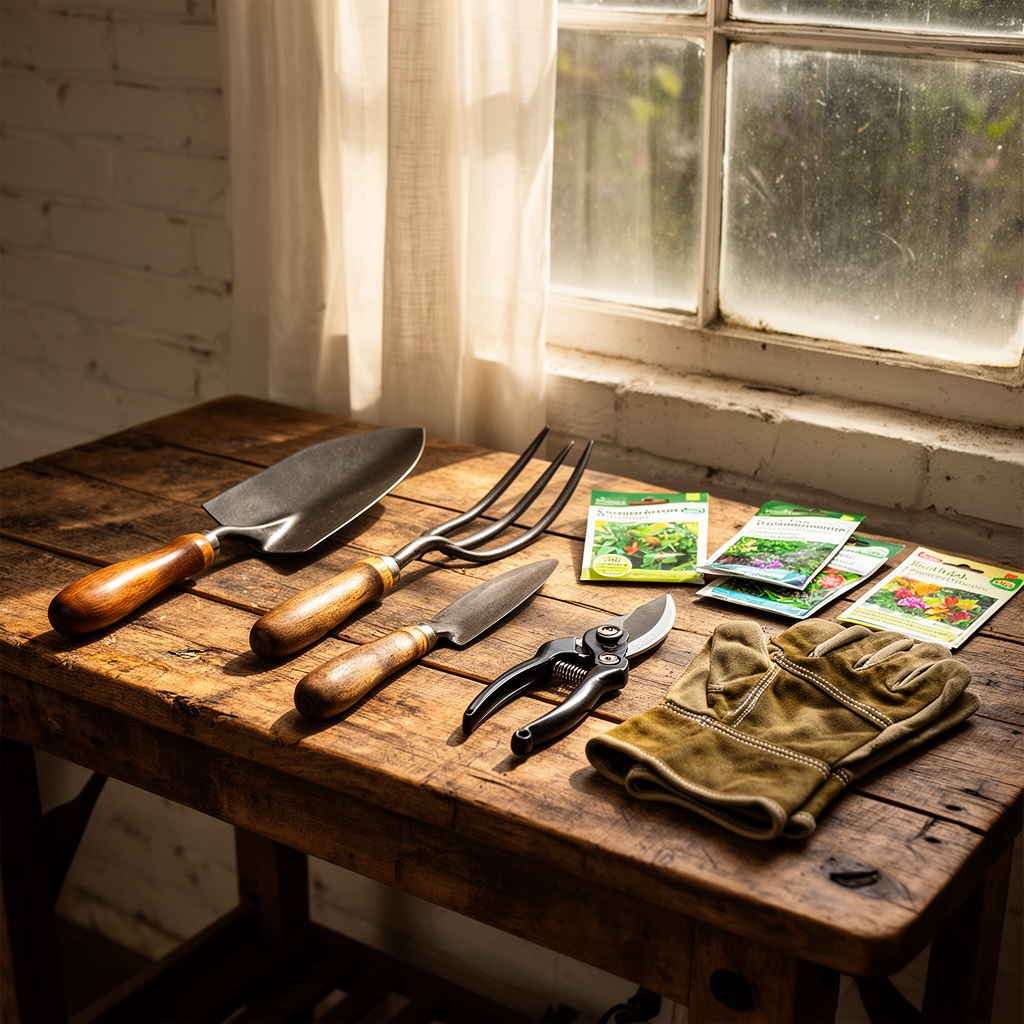
Rubbing alcohol (70% isopropyl) serves as the primary desiccant for adult scale insects. Cotton swabs and microfiber cloths act as mechanical removal tools. Horticultural oil (refined petroleum or neem-based at 1-2% emulsion) suffocates immature crawlers by blocking spiracles. Insecticidal soap (potassium salts of fatty acids, pH 8-9) disrupts cell membranes on contact.
Prepare a spray bottle with distilled water to avoid chlorine damage to leaf surfaces. Obtain a jeweler's loupe or 10x magnification lens for identifying crawler stages. Keep a soft-bristled toothbrush for textured bark and stem crevices. Have a 5-4-3 organic fertilizer ready to support recovery, as nitrogen promotes new growth after pruning infested tissue.
For systemic support, acquire mycorrhizal fungi inoculant (Glomus intraradices) to enhance the plant's stress response. The cation exchange capacity of your potting medium should measure 15-25 meq/100g to retain nutrients during the recovery phase.
Timing
Indoor scale infestations occur year-round but peak during heating season when relative humidity drops below 40%. Begin treatment immediately upon detection, regardless of season. However, the most effective intervention window occurs during active growth phases when plants mobilize resources efficiently.
In USDA Hardiness Zones 9-11, houseplants may summer outdoors. Return them indoors before nighttime temperatures drop below 55°F, inspecting thoroughly for hitchhiking scale insects. Northern growers in Zones 3-6 should quarantine any new acquisitions for 21 days during winter months when heated indoor air stresses plants and reduces their natural pest resistance.
Schedule treatments during morning hours when stomata are open and foliar applications absorb more effectively. Allow 5-7 days between oil applications to prevent phytotoxicity. The plant's respiration rate determines tolerance; tropical species with thin cuticles require more conservative dosing than succulents with waxy leaf coatings.
Phases

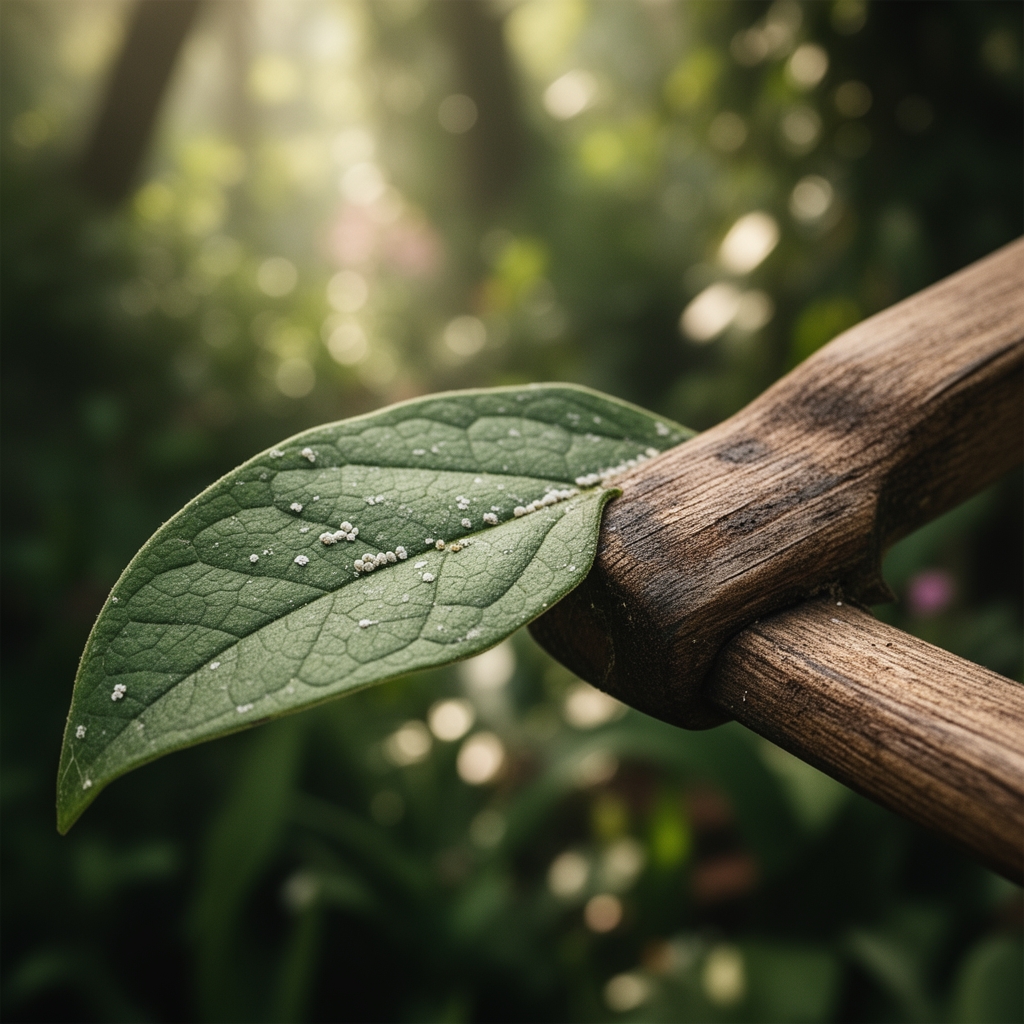
Identification and Isolation: Examine leaf axils, stem nodes, and undersides of foliage where scale insects congregate. Adult females appear as brown or tan bumps, 1-5mm in diameter. Crawlers emerge as mobile yellow specks. Isolate the infested plant immediately to prevent spread through honeydew contact or crawler migration. Place it 6 feet from other specimens.
Pro-Tip: Check the soil surface and drainage holes. Scale insects often cluster on the root crown where detection is difficult but damage accumulates rapidly.
Manual Removal: Dip a cotton swab in 70% isopropyl alcohol and press firmly against each scale for 3-5 seconds. The alcohol dissolves the waxy coating and desiccates the insect. Wipe stems with alcohol-dampened microfiber cloths, using moderate pressure. For heavy infestations, prune affected stems at a 45-degree angle to healthy tissue, sterilizing shears between cuts with alcohol.
Pro-Tip: Apply alcohol treatments in sections, allowing 10 minutes between applications on sensitive species like ferns or prayer plants to assess tolerance before proceeding.
Oil Application: Mix horticultural oil at 2 tablespoons per gallon of water (approximately 1.5% concentration). Spray all plant surfaces until runoff, ensuring complete coverage of stems, leaf undersides, and the top inch of soil. The oil film smothers crawlers and eggs within 24 hours. Repeat every 7 days for three consecutive applications to break the reproductive cycle.
Pro-Tip: Add 1 drop of dish soap per gallon as an emulsifier to prevent oil separation and improve leaf adhesion on glossy foliage.
Soap Treatment Rotation: Alternate oil applications with insecticidal soap to address different life stages. Mix 5 tablespoons of potassium-based soap per gallon. Spray during cooler parts of the day when leaf temperatures remain below 80°F to prevent burn. Soap penetrates soft-bodied crawlers but evaporates quickly, requiring thorough coverage.
Pro-Tip: Test soap solutions on a single leaf 24 hours before full application. Species with hairy leaves or succulent coatings may show sensitivity.
Systemic Support: Drench soil with diluted neem oil (1 tablespoon per gallon) to provide systemic protection. The azadirachtin compound translocates through vascular tissue, deterring feeding for 2-3 weeks. Apply mycorrhizal fungi to root zones to enhance nutrient uptake and stress tolerance during recovery.
Monitoring Phase: Inspect treated plants every 3 days for 6 weeks. New crawler emergence signals missed eggs. Use sticky traps near the plant base to capture mobile stages. Document population trends with dated photographs under magnification.
Recovery Support: Resume normal fertilization at half-strength 14 days post-treatment. Apply a 5-4-3 organic blend to promote new foliage without excessive tender growth that attracts reinfestation. Increase ambient humidity to 50-60% using pebble trays or humidifiers to reduce plant stress.
Prevention Protocol: Quarantine new plants for 21 days. Wipe leaves monthly with damp cloths to remove dust that harbors crawler stages. Maintain air circulation with fans to discourage settlement. Inspect high-risk species (ficus, orchids, citrus) weekly.
Troubleshooting
Symptom: Yellow halos around scale clusters with premature leaf drop. Solution: This indicates phloem disruption from heavy feeding. Increase watering by 20% to compensate for sap loss and apply a kelp extract foliar spray (1 teaspoon per quart) to provide cytokinins that delay senescence.
Symptom: White cottony masses appearing alongside brown scales. Solution: Mealybugs cohabit with scale insects. Increase alcohol swabbing frequency and spray with neem oil at 2% concentration. The combined infestation requires 4-5 treatment cycles.
Symptom: Black sooty mold coating leaves. Solution: Fungus grows on honeydew secretions. Wipe affected surfaces with a 1:10 vinegar solution (pH 4.5) to remove mold, then treat underlying scale population. Improve air circulation to prevent recurrence.
Symptom: Leaf scorching after oil application. Solution: Phytotoxicity from over-application or high temperatures. Rinse foliage with lukewarm water immediately. Reduce oil concentration to 1% and apply only during morning hours when temperatures remain below 75°F.
Symptom: Persistent crawlers despite repeated treatments. Solution: Eggs embedded in bark crevices continue hatching. Extend treatment intervals to 10 weeks, targeting each new generation. Consider systemic imidacloprid soil drenches for severe cases on non-edible ornamentals.
Maintenance
Water treated plants when the top 2 inches of soil feel dry to touch, approximately every 5-7 days depending on ambient humidity. Avoid overwatering, which stresses root systems and reduces natural pest resistance. Maintain temperatures between 65-75°F during recovery.
Prune dead or heavily damaged stems at 45-degree angles above nodes to encourage lateral branching. Apply 1 tablespoon of 5-4-3 granular fertilizer per 6-inch pot diameter monthly during active growth. Supplement with foliar kelp spray (1 teaspoon per quart) every 14 days to provide trace minerals and growth hormones.
Rotate plants 90 degrees weekly to ensure even light exposure and auxin distribution. Wipe leaves with damp cloths monthly to inspect for reinfestation and remove dust that interferes with photosynthesis. Maintain relative humidity between 50-60% to support stomatal function without encouraging fungal growth.
Repot every 18-24 months using a well-draining medium with cation exchange capacity of 20 meq/100g. Incorporate 10% perlite by volume for aeration. Inoculate fresh soil with mycorrhizal fungi to accelerate root establishment and nutrient uptake.
FAQ
How quickly do scale insects reproduce on houseplants?
Female scales lay 50-400 eggs under their protective shell over 6-8 weeks. Crawlers emerge within 1-3 weeks depending on temperature. A single generation completes in 8-12 weeks, meaning populations double every 2-3 months without intervention.
Can scale insects spread between plants without direct contact?
Crawler stages travel up to 3 feet across surfaces during their mobile phase, which lasts 24-48 hours. They also spread via air currents, contaminated tools, or on clothing. Maintain 6-foot spacing during treatment and sterilize equipment between plants.
Is neem oil safe for edible houseplants like herbs or citrus?
Food-grade neem oil (cold-pressed, clarified) is approved for edibles when applied at 1% concentration. Rinse foliage thoroughly with water 24 hours before harvest. The 7-day residual period allows azadirachtin to degrade below detectable levels.
Why do scale insects return after successful treatment?
Missed eggs embedded in bark fissures or soil crevices hatch weeks later. Incomplete spray coverage leaves survivors that rebuild populations. New infestations arrive on unreported plants or through open windows. Continue monitoring for 12 weeks post-treatment.
Do beneficial insects control scale indoors?
Parasitic wasps (Metaphycus helvolus) and predatory beetles (Chilocorus nigritus) attack scale in greenhouse settings but struggle in low-humidity homes. Introduce beneficials only if you maintain 60%+ humidity and avoid broad-spectrum pesticides that kill natural enemies.