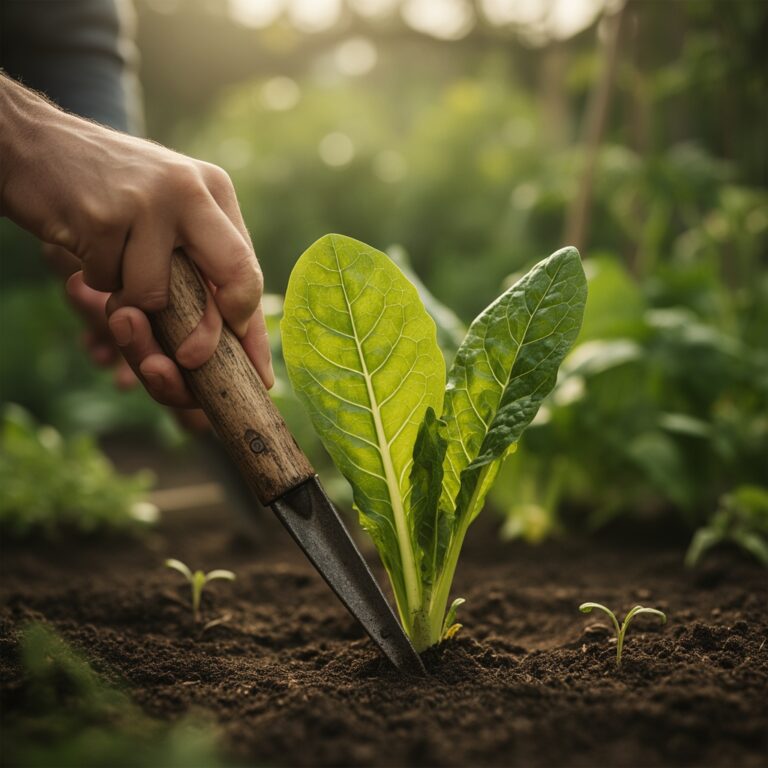
8 Growth Steps to Rotate Houseplants for Even Light
Houseplants bend toward windows, stretching their stems and crowding all their foliage on one side. This phenomenon, called phototropism, results from uneven auxin distribution that causes cells on the shaded side to elongate faster. Without intervention, your specimens develop lopsided canopies, weak structural integrity, and diminished aesthetic value. The steps for rotating houseplants for even growth address this imbalance through systematic repositioning that redistributes light exposure across all leaf surfaces. A quarter-turn every seven to fourteen days maintains symmetrical form and prevents the etiolation that weakens stems.
Materials
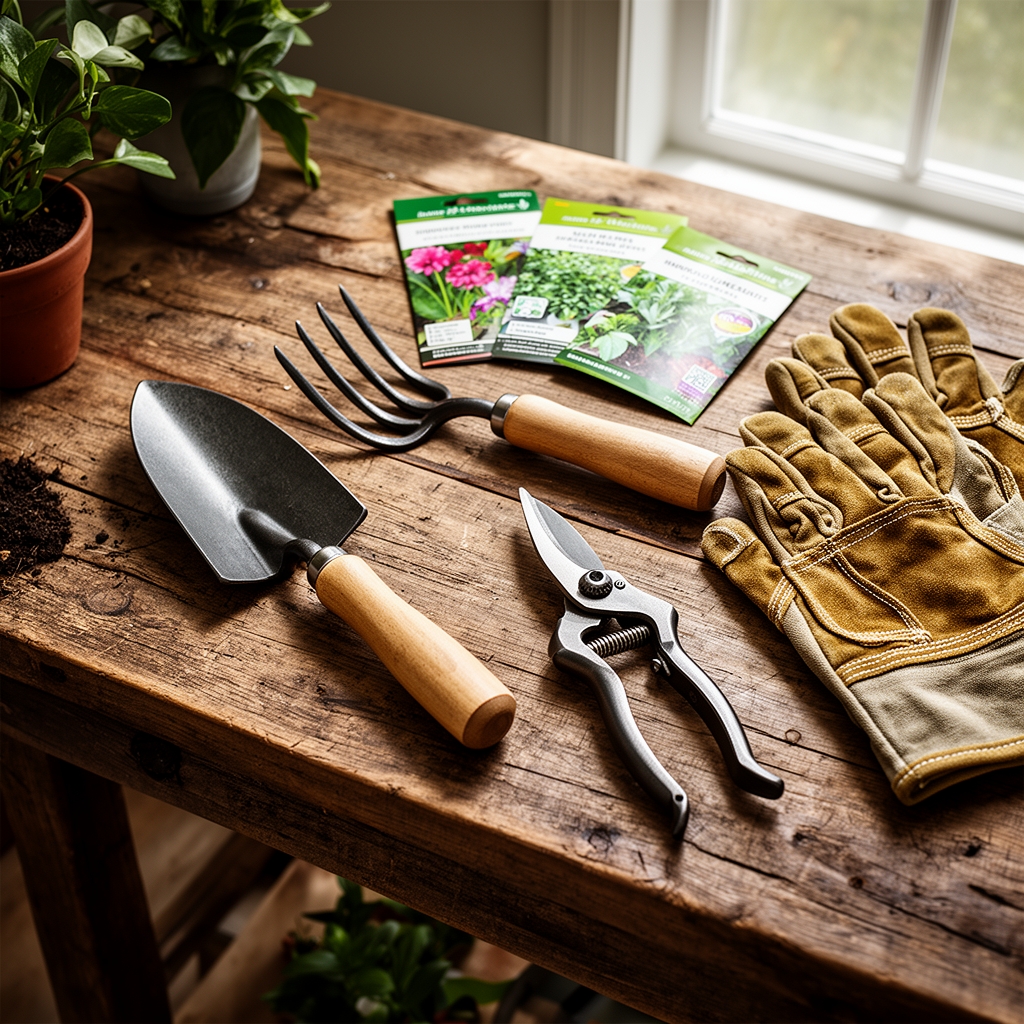
Rotation requires minimal equipment but benefits from precision tools. Use a permanent marker or small adhesive dot to mark the north-facing side of each container. This reference point ensures consistent rotation direction and tracking. For containers exceeding fifteen pounds, invest in a rolling plant caddy with locking casters rated for the specimen's mature weight plus saturated soil mass.
Soil amendments support the increased metabolic demands of evenly lit foliage. Apply a balanced 4-4-4 organic fertilizer or 10-10-10 synthetic formulation at half-strength during active growth periods. The equal NPK ratio prevents nitrogen-driven apical dominance that can override rotation benefits. Incorporate mycorrhizal fungi inoculant at pH 6.0-7.0 to enhance nutrient uptake across the expanded root zone that develops when plants grow symmetrically.
Light meters measuring foot-candles or lux quantify exposure differences. Most foliage houseplants require 100-200 foot-candles for maintenance growth. Flowering specimens need 200-500 foot-candles to initiate bud formation. Document these measurements at each cardinal position around the plant to identify optimal placement.
Timing
Indoor environments lack the seasonal cues that regulate outdoor plant growth, but rotation schedules should still respect the plant's circadian rhythms. Begin rotation programs in early spring when increasing day length triggers active growth. This timing allows plants to establish symmetrical architecture before the slower winter metabolism period.
Rotate specimens every seven days during peak growth seasons when photosynthetic rates are highest and cell division occurs rapidly. Extend the interval to fourteen days during fall and winter when reduced light intensity slows metabolic processes. Plants in USDA Hardiness Zones 9-11 that spend summers outdoors should resume strict rotation schedules two weeks before moving inside, allowing them to acclimate to lower indoor light levels while maintaining form.
Newly acquired or recently repotted specimens need a four-week establishment period before beginning rotation. Root disturbance temporarily reduces water uptake capacity. Premature rotation during this recovery phase can stress plants already allocating resources to root regeneration.
Phases
Sowing Phase: Young seedlings exhibit the most dramatic phototropic response due to rapidly elongating hypocotyls. Begin rotation when the first true leaves emerge and reach 1 inch in length. Turn seed trays 180 degrees every three days rather than 90 degrees to prevent the mechanical stress of frequent handling. This accelerated schedule counteracts the extreme flexibility of juvenile stems.
Pro-Tip: Place seedling trays on lazy Susan turntables. Rotate the entire platform one-quarter turn daily to maintain perpendicularity to the light source without disturbing individual containers.
Transplanting Phase: When root systems fill 75% of container volume, transplanting becomes necessary. This transition offers the ideal opportunity to reset rotation habits. Position the previously shaded side toward the primary light source for two weeks before resuming standard rotation. This compensation period allows suppressed axillary buds to activate and fill gaps in the canopy.
Pro-Tip: Prune competing leaders at 45-degree angles immediately after transplanting. This cut angle maximizes surface area for callus formation while directing growth hormones to lateral branches that benefit most from rotation.
Establishing Phase: Mature specimens require six to eight weeks to redistribute stored carbohydrates and establish the structural support for a balanced canopy. During this phase, increase fertilizer concentration to three-quarter strength and maintain consistent soil moisture at 40-50% of field capacity. Water stress during establishment causes plants to prioritize survival over symmetrical growth.
Pro-Tip: Introduce silica supplements at 50 ppm to strengthen cell walls in newly exposed stems. This trace element increases compressive strength and prevents collapse of stems adjusting to altered gravitational loads.
Troubleshooting
Symptom: Leaf drop on the side most recently turned away from light. Solution: The rotation interval is too long for this species. Reduce to a five-day schedule and increase ambient humidity to 50-60% using pebble trays or humidifiers. Abscission layer formation accelerates in low-humidity environments.
Symptom: Chlorosis developing uniformly across all foliage despite rotation. Solution: This indicates insufficient overall light rather than distribution problems. Increase intensity by 50 foot-candles using supplemental grow lights with 6500K color temperature. Verify soil pH remains within species-specific range, as alkaline conditions above pH 7.5 reduce iron availability.
Symptom: Stems spiraling or twisting instead of growing straight. Solution: Inconsistent rotation direction confuses gravitropic responses. Always rotate in the same clockwise or counterclockwise direction. Mark containers with directional arrows to maintain consistency across multiple caregivers.
Symptom: Spider mite infestations concentrated on previously shaded foliage. Solution: These pests prefer the tender growth that develops in low light. Increase air circulation with oscillating fans set to low speed. Apply insecticidal soap at 2% concentration to leaf undersides every five days for three applications.
Symptom: Variegated leaves reverting to solid green on rotated specimens. Solution: Variegation requires high light to maintain. The previously shaded portions lack sufficient chlorophyll-free tissue. Increase base light levels and consider reducing rotation frequency to ten days, allowing marginal light adaptation.
Maintenance
Water when the top 1 inch of growing medium feels dry to touch. Rotation increases transpiration rates by exposing more leaf surface area, potentially increasing water consumption by 15-20%. Monitor soil moisture with a probe inserted to one-third container depth. Maintain readings between 4-6 on a 1-10 scale.
Apply fertilizer every fourteen days during active growth using solutions with cation exchange capacity appropriate to your growing medium. Peat-based mixes require supplemental calcium and magnesium at 150 ppm each. Coir-based media need additional potassium to compensate for naturally high sodium levels.
Clean foliage monthly with a damp microfiber cloth to remove dust that blocks 20-30% of available light. This maintenance becomes critical for rotated plants where all leaf surfaces periodically face the primary light source. Inspect during cleaning for early pest detection on previously hidden surfaces.
FAQ
How often should I rotate large floor plants?
Rotate specimens over thirty inches tall every fourteen days. Their greater mass and established structure make them less responsive to frequent changes. Mark containers with tape at the starting position to track cumulative rotation.
Can I rotate flowering plants during bud development?
Avoid rotation once flower buds show color. The sudden change in light angle can trigger bud drop in sensitive species like gardenias and orchids. Resume rotation after flowers fade.
Do succulents need rotation?
Yes. Succulents exhibit severe etiolation under one-sided lighting. Rotate every ten days and provide a minimum 300 foot-candles to maintain compact rosette forms and prevent stem elongation.
Should I rotate plants under grow lights?
Rotation remains beneficial even with overhead artificial lighting. Most grow lights concentrate intensity in the center of their beam pattern. Quarter-turns ensure all sides receive time in this high-intensity zone.
What rotation direction works best?
Clockwise or counterclockwise produces identical results. Consistency matters more than direction. Choose one orientation and maintain it throughout the plant's life to avoid confusing its gravitropic response mechanisms.