8 Best Garden Tool Sharpeners for Vegetable Gear
The blade of a hoe scraping against hardpan sounds different when the edge is sharp. A dull tool compacts soil instead of slicing it, crushes stems instead of pruning them, and turns a morning of transplanting into an afternoon of frustration. The best garden tool sharpeners for vegetable garden use restore cutting geometry to spades, hoes, pruners, and cultivators, reducing the physical effort required to prepare beds and increasing precision when working around delicate root systems.
Materials
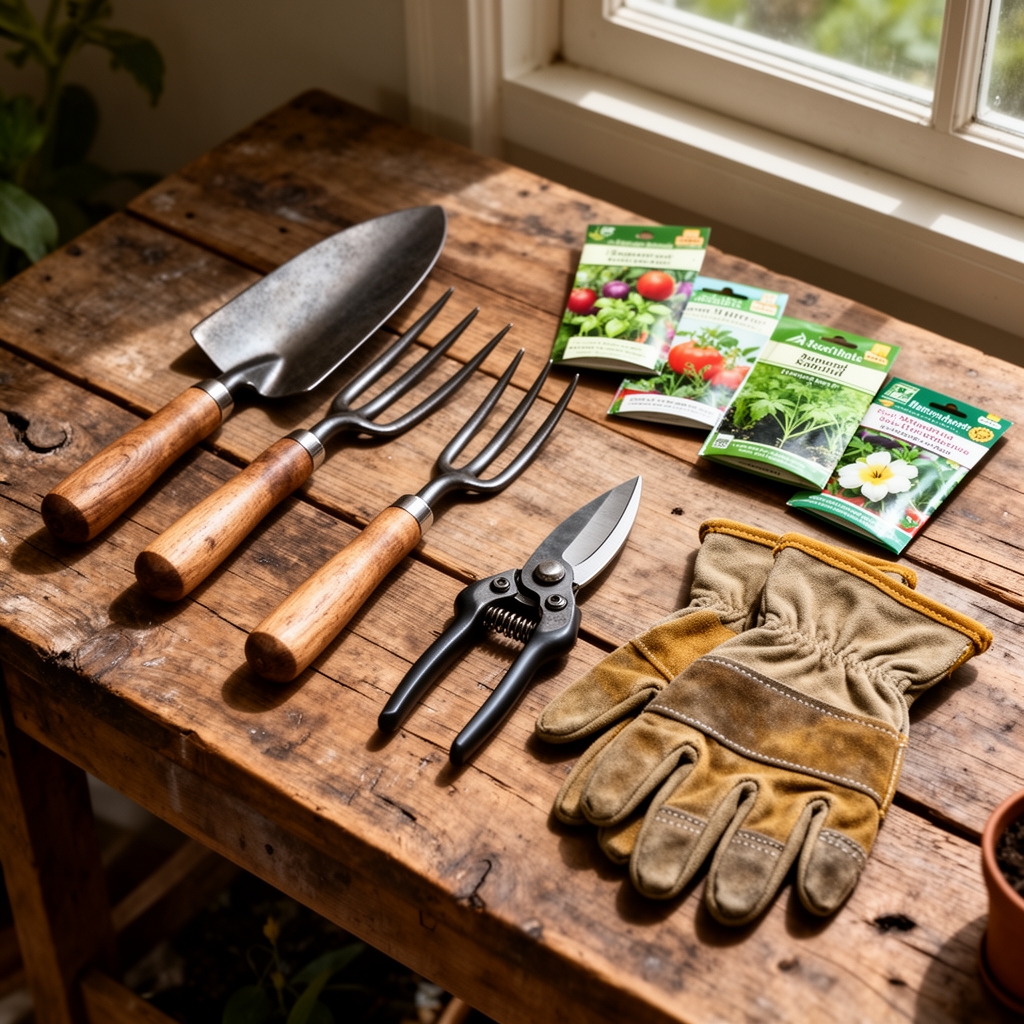
Sharpening systems fall into three categories based on abrasive grit and application method. Coarse diamond files (200-400 grit) remove nicks and reshape bevels on spades and hoes. Medium-grit whetstones (600-1000 grit) refine edges on bypass pruners and cultivating forks. Fine ceramic rods (1200+ grit) hone delicate edges on grafting knives and harvest shears.
A 10-inch mill bastard file paired with a hand-held sharpening stone creates a two-stage system. The file removes oxidation and reshapes the bevel at a 20-25 degree angle. The stone follows with 12-15 strokes per side to align the edge. For pruners, a dedicated sharpening stone with a tapered edge reaches into the curved blade profile where flat files cannot.
Bench grinders with aluminum oxide wheels (36-60 grit) accelerate bulk metal removal but generate heat above 400°F, which can anneal tempered steel and reduce edge retention. A water-cooled grinding wheel or frequent quenching in room-temperature water prevents thermal damage. Honing oil or water on whetstones suspends metal particles and prevents clogging of abrasive surfaces.
Timing
Sharpen tools at three intervals: before spring planting, at mid-season (typically late June in Zones 5-7), and after final harvest cleanup. Pre-season sharpening prepares edges for bed preparation when soil structure is most friable. Mid-season maintenance addresses the dulling caused by silica particles in irrigated soil. Post-harvest sharpening removes sap residues and prevents winter oxidation.
In Zones 3-4, sharpen two weeks before the last expected frost (typically mid-May). In Zones 8-9, sharpen before both spring and fall planting windows (March and September). Tools used in sandy soils (pH 5.5-6.5) dull faster than those in loamy soils (pH 6.5-7.0) due to higher quartz content. Increase sharpening frequency to every 30 operating hours in sandy conditions.
Phases

Initial Edge Restoration: Secure the tool in a vise or clamp with the blade horizontal. Inspect for chips deeper than 1/16 inch, which require coarse-grit removal. Hold the file at the existing bevel angle and push away from the body in smooth, full-length strokes. Count strokes to maintain symmetry. Ten strokes per side typically restores geometry on a moderately dull hoe blade. Test sharpness by slicing through a 1/4-inch hemp rope or shaving a thin curl from a wooden dowel.
Pro-Tip: Mark the original bevel angle with a permanent marker before filing. The ink disappears where metal is removed, providing visual feedback for consistent angle maintenance.
Edge Refinement: Transition to a 600-1000 grit whetstone after filing. Lubricate the stone with honing oil or water. Use circular motions for flat blades and pulling strokes for curved pruner blades. Apply moderate pressure (approximately 5 pounds of force). Fifteen strokes per side on a whetstone polishes the edge and removes the wire burr created by filing. Wipe the blade clean and inspect under direct light for a uniform matte finish along the cutting edge.
Pro-Tip: For bypass pruners, sharpen only the beveled blade. The flat anvil blade should remain unsharpened to maintain the scissor-like shearing action that prevents crushing of vascular tissue.
Maintenance Stropping: Between major sharpenings, use a leather strop charged with green chromium oxide compound (0.5 micron grit). Ten strokes per side realigns microscopic edge deformations caused by contact with rocks and roots. Stropping extends the interval between full sharpenings by 40-60 hours of use.
Pro-Tip: Store stropped tools with edges coated in camellia oil or food-grade mineral oil to prevent oxidation. This practice is critical in high-humidity climates where rust forms within 48 hours on bare steel.
Troubleshooting
Symptom: Rounded or convex bevel after sharpening.
Solution: Lower the file angle by 5 degrees and increase stroke count to 20 per side. A convex bevel results from inconsistent hand position during filing. Use a sharpening guide jig to maintain 20-25 degree consistency.
Symptom: Wire burr remains after honing.
Solution: Alternate single strokes on each side of the blade, reducing pressure with each pass. Finish with five ultra-light strokes. A persistent burr indicates incomplete abrasion or incorrect whetstone grit progression.
Symptom: Blade chips within one week of sharpening.
Solution: Reduce bevel angle to 15-18 degrees for softer steel (Rockwell hardness below HRC 55). Chips form when the included angle is too acute for the steel's hardness, particularly in tools that strike rocks or roots.
Symptom: Pruner blades crush stems instead of cutting.
Solution: Disassemble pruners and check blade alignment. The bypass blade should overlap the anvil blade by 1-2mm with no lateral play. Tighten the pivot bolt to eliminate wobble, then resharpen the beveled blade only.
Maintenance
Sharpen hoes and spades every 8-10 operating hours in vegetable gardens. Pruners require sharpening every 50 cuts through woody stems over 1/2 inch diameter. Clean blades with steel wool and white vinegar after each use to remove sap and soil acids that accelerate corrosion.
Apply 0.1 ounces of machine oil to pivot points and springs monthly. Store sharpened tools in a dry location with relative humidity below 50%. Hang tools vertically to prevent edge contact with concrete floors, which causes microchipping.
Inspect wooden handles for cracks that propagate from the tool socket. Sand rough areas with 120-grit sandpaper and seal with boiled linseed oil annually. Replace handles showing splits deeper than 1/8 inch to prevent sudden failure during use.
FAQ
How often should I sharpen a garden hoe used daily?
Sharpen every 8-10 hours of soil contact. Sandy soils require sharpening after 6 hours due to higher silica abrasion rates.
Can I use a bench grinder on all garden tools?
Yes, but limit contact time to 2-3 seconds per pass and quench in water every 10 seconds to prevent overheating steel above 400°F.
What angle should I sharpen a spade blade?
Maintain the factory bevel angle, typically 20-25 degrees. Steeper angles (30+ degrees) increase durability but require more force to penetrate soil.
Do stainless steel tools hold an edge longer?
No. Stainless steel (HRC 52-54) dulls faster than high-carbon steel (HRC 56-58) but resists corrosion better in wet conditions.
Should I sharpen both sides of a hoe blade?
Sharpen only the front-facing bevel. The rear remains flat to allow the blade to glide under the soil surface at a consistent depth.