7 Simple Steps to Plant Apple Mint
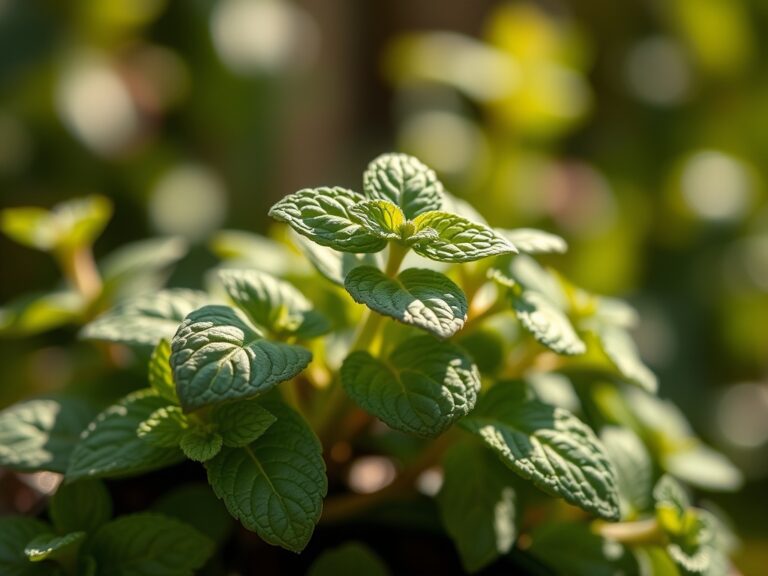
Crushing a serrated leaf of Mentha suaveolens between your thumb and forefinger releases a sharp, malic acid scent underpinned by cooling menthol. A healthy specimen exhibits high turgor pressure; its stems are rigid and its foliage resists wilting even under midday solar radiation. Success requires more than casual placement in a garden bed. You must master the specific steps to plant apple mint to manage its aggressive rhizomatous growth and high metabolic demand. This species thrives when the rhizosphere is kept consistently moist and nutrient dense. Failure to provide these conditions results in woody stems and diminished essential oil production. By following a rigorous horticultural protocol, you can establish a colony that produces lush, aromatic foliage from early spring through the first hard freeze. This guide provides the technical framework for site selection, soil chemistry, and long term maintenance.
Materials:
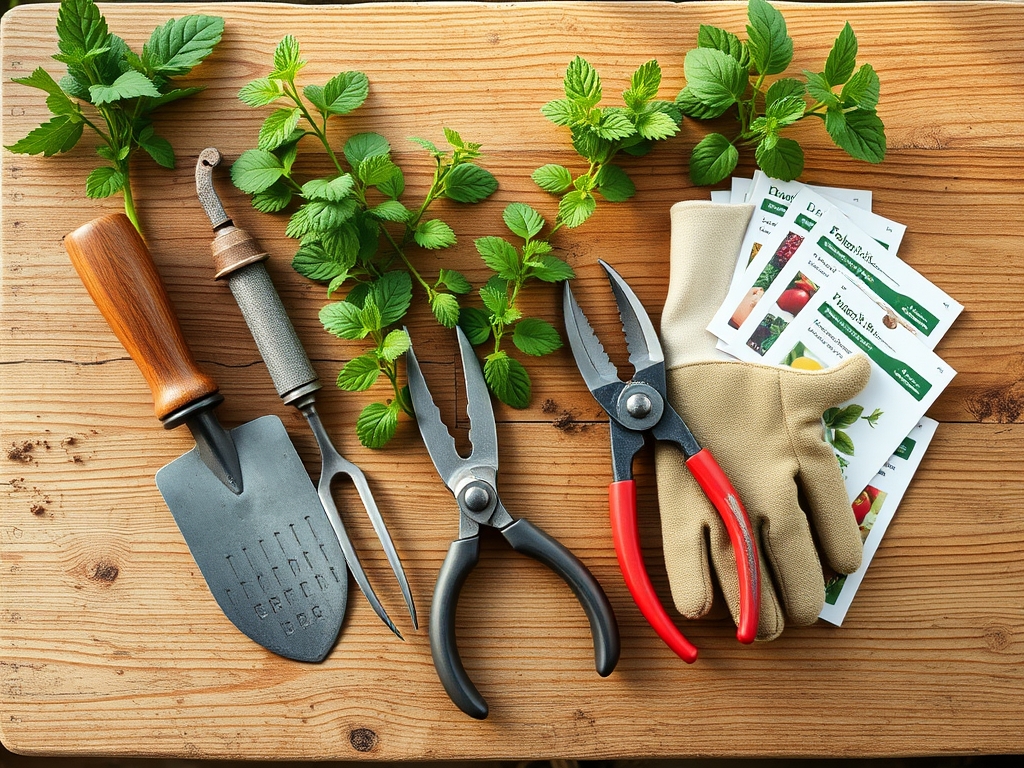
Apple mint requires a substrate with a high Cation Exchange Capacity (CEC) to retain the minerals necessary for rapid leaf expansion. Aim for a pH range between 6.0 and 7.0. The ideal medium is a friable loam, rich in organic matter that allows for oxygen diffusion to the root zone while retaining moisture.
You will need a balanced fertilizer with an NPK ratio of 10-10-10 for initial establishment. If your soil test indicates high phosphorus levels, shift to a high-nitrogen 21-0-0 ammonium sulfate application to drive vegetative growth. Ensure you have high-quality compost with a Carbon-to-Nitrogen (C:N) ratio of approximately 30:1. The physical texture of the soil should be granular; it must crumble when squeezed, indicating a balance of sand, silt, and clay that prevents anaerobic conditions. Avoid heavy clays that suffocate the rhizomes or pure sands that leach nutrients too quickly.
Timing:
Apple mint is hardy in USDA Zones 5 through 9. The biological clock of the plant is dictated by the photoperiod and soil temperature. Optimal planting occurs when the soil temperature consistently reaches 55 degrees Fahrenheit (13 degrees Celsius). In most temperate regions, this window opens two weeks after the last predicted frost date.
The transition from the vegetative stage to the reproductive stage (flowering) is triggered by long days and rising temperatures. To maximize foliage quality, you must establish the plant early in the season to allow for a robust root system before the summer solstice. If you plant too late, the specimen may prioritize flower spike development over leaf production, leading to a bitter flavor profile and diminished essential oil concentration in the glandular trichomes.
Phases:

Sowing and Propagation
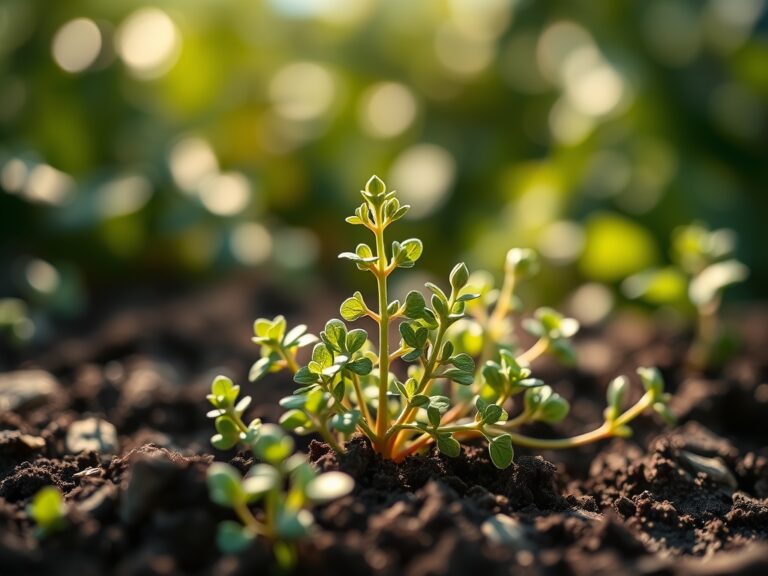
While seeds are available, Mentha suaveolens is often heterozygous, meaning seeds may not grow true to the parent plant. Vegetative propagation via stem cuttings or rhizome division is the professional standard. Take a 4 to 6 inch cutting from a healthy mother plant, stripping the lower leaves to expose the nodes.
Pro-Tip: Place cuttings in a sterile medium to encourage adventitious root growth. This process relies on auxin suppression; by removing the apical meristem (the tip), you signal the plant to redirect energy into root development and lateral branching.
Transplanting
Dig a hole twice the width of the root ball. If planting in the ground, install a physical barrier at least 12 inches deep to contain the runners. Space individual plants 18 to 24 inches apart. Apple mint expands horizontally through underground rhizomes, and tight spacing will lead to poor air circulation and fungal pathogens.
Pro-Tip: Inoculate the planting hole with endomycorrhizal fungi. This creates a mycorrhizal symbiosis where the fungi extend the root system's reach, increasing the uptake of phosphorus and water in exchange for plant sugars.
Establishing
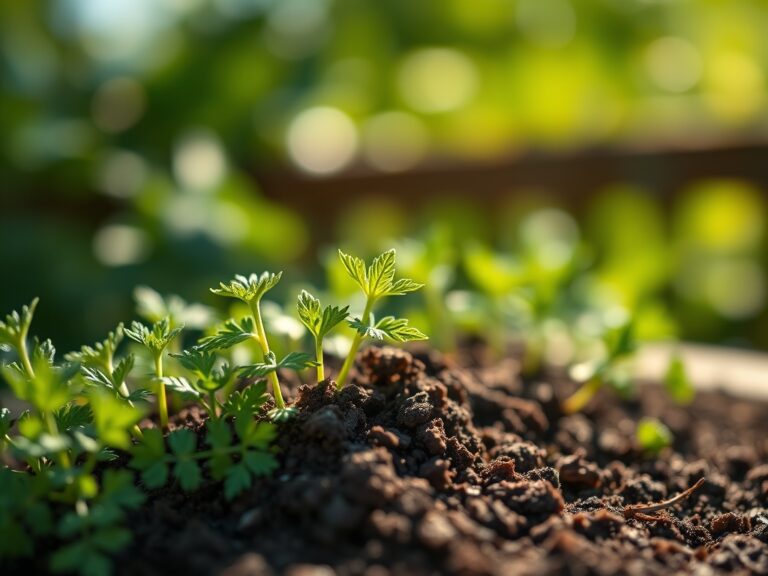
Water the transplant immediately to eliminate air pockets in the soil. Maintain a consistent moisture profile for the first 21 days. During this phase, the plant is establishing its hydraulic conductance system. Avoid heavy fertilization during the first two weeks to prevent salt burn on the tender new root hairs.
Pro-Tip: Use a hori-hori knife to prune the top inch of growth once the plant reaches six inches in height. This interrupts apical dominance, forcing the plant to activate axillary buds and create a bushier, more productive form.
The Clinic:
Physiological disorders in apple mint often stem from environmental stressors or nutrient imbalances. Observe the foliage closely for deviations from the standard light green hue.
- Symptom: Interveinal chlorosis (yellowing between green veins) on older leaves.
- Solution: This indicates a Magnesium deficiency. Apply Epsom salts (magnesium sulfate) at a rate of one tablespoon per gallon of water.
- Symptom: Stunted growth and purple tinting on the underside of leaves.
- Solution: This is a classic sign of Phosphorus deficiency, often caused by cold soil temperatures preventing nutrient uptake. Ensure soil is above 50 degrees Fahrenheit.
- Symptom: Powdery white residue on leaf surfaces.
- Solution: This is Powdery Mildew, a fungal issue. Increase airflow by thinning the stand and avoid overhead irrigation to reduce leaf wetness duration.
- Symptom: General yellowing (chlorosis) of the entire plant starting with the base.
- Solution: Nitrogen deficiency. Apply a liquid seaweed extract or a high-nitrogen fish emulsion to provide immediate bioavailability.
Maintenance:
Precision is required for long term health. Apple mint requires 1.5 inches of water per week, delivered at the drip line rather than over the foliage. Use a soil moisture meter to ensure the root zone stays between 60% and 80% field capacity.
Utilize bypass pruners for all harvesting and maintenance cuts; anvil pruners can crush the vascular tissue, leading to necrosis. Every three years, use a hori-hori knife to lift and divide the clump. This prevents the center of the plant from becoming senescent (aging out) and losing vigor. If the plant becomes "leggy," perform a hard prune, cutting the stems back to 2 inches above the soil line to stimulate a fresh flush of growth.
The Yield:
Harvesting should occur just before the plant enters its reproductive stage for maximum oil potency. The concentration of pulegone and menthone is highest in the morning after the dew has evaporated but before the sun reaches its zenith.
Cut the stems approximately one third of the way down the plant. To maintain "day-one" freshness post-harvest, place the cut ends in a vessel of cool water or wrap them in a damp paper towel and refrigerate at 34 to 40 degrees Fahrenheit. This slows the respiration rate and prevents the loss of turgor. For long term storage, dry the leaves in a dark, well ventilated area at temperatures below 110 degrees Fahrenheit to preserve the volatile aromatic compounds.
FAQ:
How much sun does apple mint need?
Apple mint performs best in full sun to partial shade. In hotter climates (Zones 8-9), provide afternoon shade to prevent leaf scorch and maintain high essential oil content. It requires at least six hours of direct light daily.
Can I grow apple mint in containers?
Yes, containers are recommended to control its invasive rhizomatous growth. Use a pot at least 12 inches deep with adequate drainage holes. Ensure the potting mix has a high organic matter content to retain moisture.
Why are my mint leaves turning brown?
Brown leaves typically indicate water stress or Verticillium wilt. Check soil moisture levels with a meter. If the soil is wet but the plant wilts, it may be a vascular pathogen; remove and destroy the infected specimen.
How often should I fertilize?
Apply a balanced, water-soluble fertilizer every 4 to 6 weeks during the active growing season. Stop fertilization in late summer to allow the plant to prepare for dormancy as temperatures drop and the photoperiod shortens.
Is apple mint invasive?
Apple mint is highly aggressive. Its underground rhizomes spread rapidly, often choking out neighboring plants. Always plant it in a contained area, use root barriers, or keep it in isolated pots to prevent garden takeover.