7 Best Spray Bottles for Foliar Feeding and Humidity
The finest nutrient mist settles on the underside of a leaf at dawn, where stomata open widest and absorption peaks. Best spray bottles for foliar feeding deliver precise droplet size between 50 and 100 microns, small enough to penetrate cuticle layers without rolling off yet large enough to avoid immediate evaporation. Professional growers understand that foliar application bypasses root uptake limitations, especially in plants with compromised vascular systems or nutrient lockout. The right atomizer transforms liquid fertilizer into an aerosol that coats every surface, maximizing cation exchange at the leaf epidermis.
Materials and Equipment
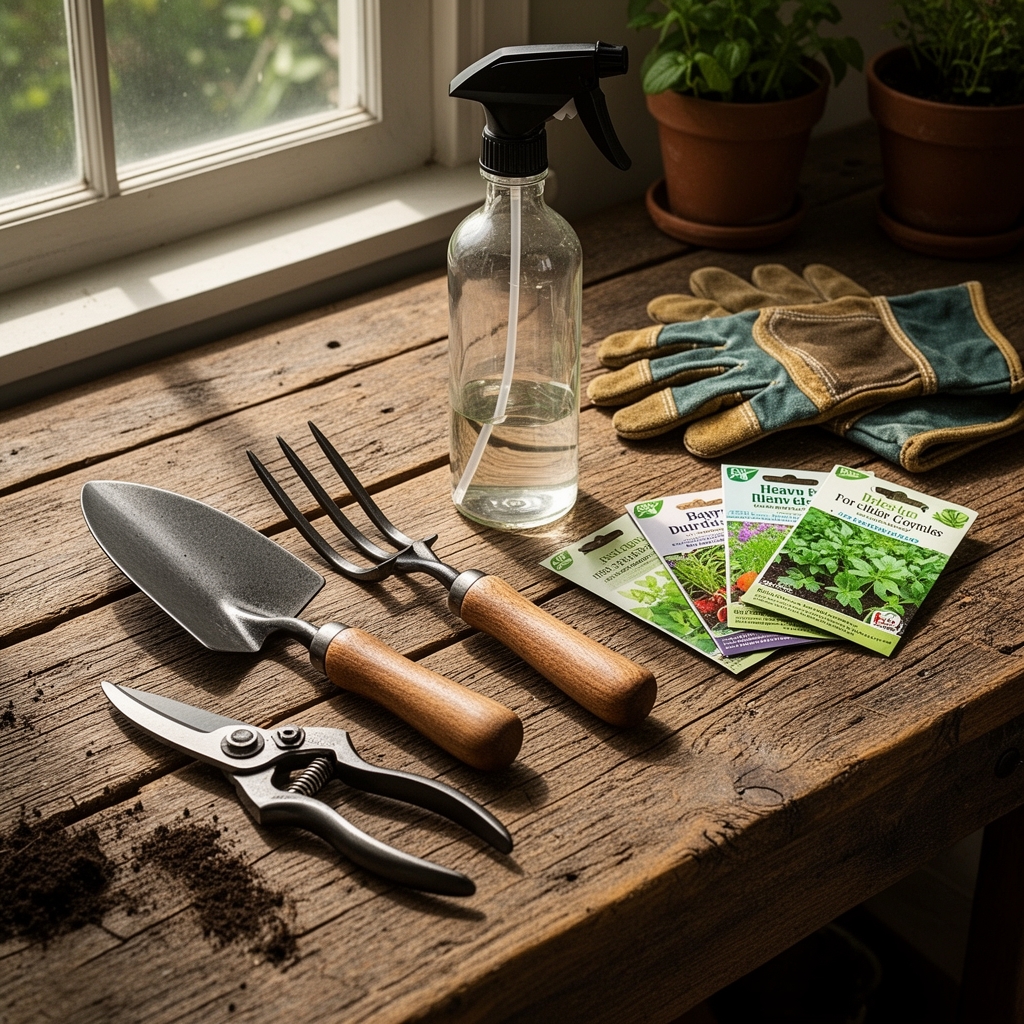
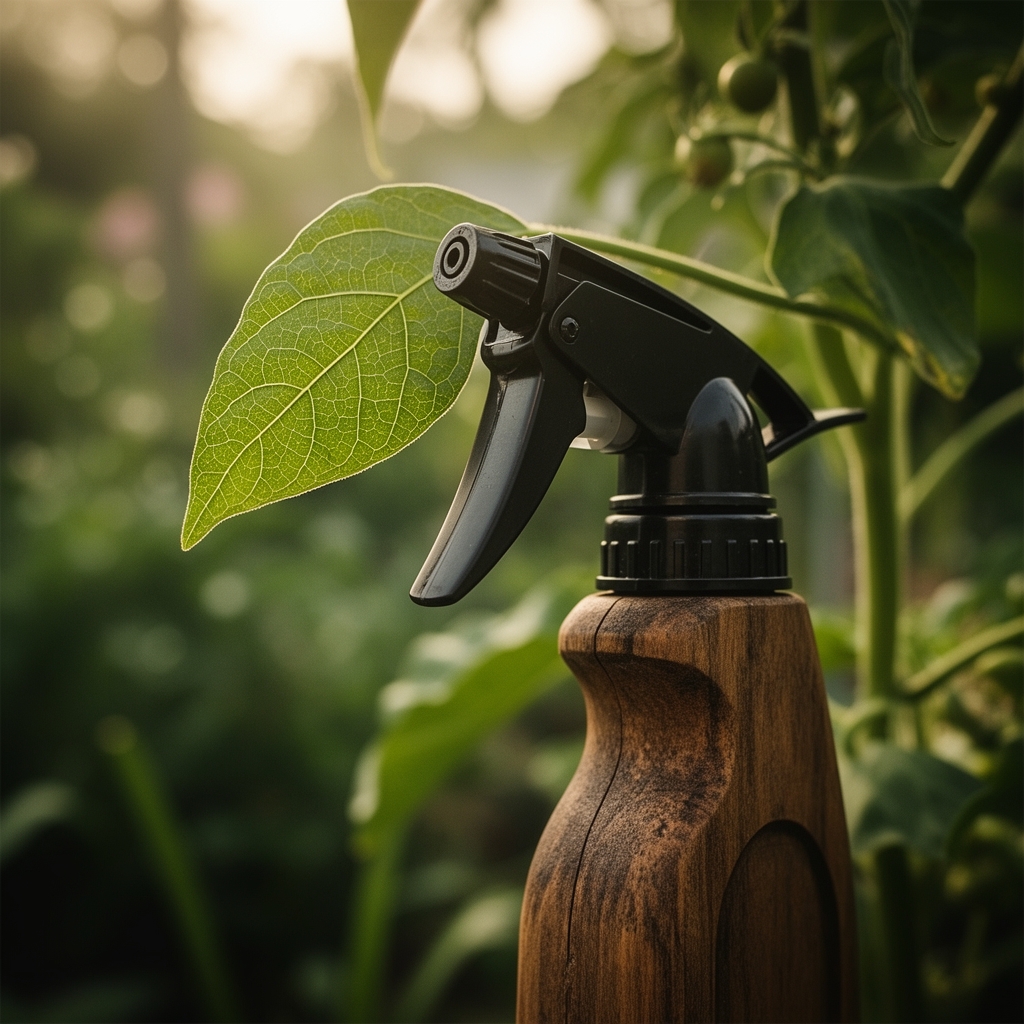
Select spray bottles constructed from HDPE plastic resistant to pH extremes between 4.0 and 8.5. Brass or stainless steel nozzles prevent corrosion when applying acidic chelated micronutrients or alkaline seaweed extracts. For organic kelp solutions at 0-0-1 NPK with trace minerals, use bottles with adjustable spray patterns from fine mist to jet stream. Fish emulsion at 5-1-1 requires bottles with wider intake tubes to prevent clogging from suspended particles.
Continuous-pressure sprayers with 1.5-liter capacity reduce hand fatigue during large canopy applications. Pre-compression models generate 40-60 PSI, adequate for reaching upper foliage in 8-foot tomato plants. Battery-powered atomizers maintain consistent droplet size throughout the reservoir, critical when applying mycorrhizal fungi suspensions where particle uniformity affects colonization rates. Standard trigger bottles with 500-milliliter capacity suit small herb gardens and seedling trays.
Chemical-resistant Viton seals tolerate sulfur-based fungicides and high-concentration calcium solutions without degradation. Translucent reservoirs allow visual confirmation of mixture homogeneity, especially important for emulsified nutrients that separate quickly. Graduated measurement markings in milliliters enable precise dilution ratios, essential when applying micronutrients where the margin between deficiency and toxicity spans mere parts per million.
Timing and Environmental Windows
Apply foliar sprays in USDA Hardiness Zones 3-9 during early morning hours between 6:00 and 9:00 AM when relative humidity exceeds 60 percent. Stomatal conductance peaks during this window, allowing maximum nutrient uptake before midday heat triggers closure. Avoid spraying within 48 hours of predicted frost in zones 5 and colder, as moisture on leaf surfaces accelerates ice crystal formation.
Schedule applications 14 days after the last spring frost date for tender annuals and 7 days after for cold-hardy brassicas. Temperature optima range between 60 and 75 degrees Fahrenheit for most foliar nutrient solutions. Above 80 degrees, evaporation outpaces absorption. Below 55 degrees, metabolic processes slow and auxin distribution through phloem tissues becomes sluggish.
Application Phases

Seedling Establishment
Spray cotyledons with quarter-strength kelp extract at 0-0-0.5 NPK seven days after germination. Hold the nozzle 8 inches from leaf surfaces at a 45-degree angle to prevent mechanical damage to tender tissues. Apply 15-20 milliliters per seedling tray.
Pro-Tip: Add 0.1 percent non-ionic surfactant to reduce surface tension and improve coverage on waxy leaves like brassicas and alliums.
Vegetative Growth
Increase to half-strength fish hydrolysate at 5-1-1 NPK during rapid leaf expansion. Apply every 10 days, delivering 50 milliliters per square foot of canopy. Target lower leaf surfaces where stomatal density reaches 300-400 per square millimeter compared to 100-150 on upper surfaces.
Pro-Tip: Tank-mix soluble humic acids at 0.5 grams per liter to enhance nutrient chelation and extend foliar uptake window from 4 hours to 8 hours.
Reproductive Phase
Switch to phosphorus-rich bloom formulas at 2-8-4 NPK when flower buds emerge. Reduce nitrogen content to prevent excessive vegetative growth that diverts energy from fruit set. Apply 75 milliliters per plant every 14 days.
Pro-Tip: Include 200 PPM calcium chloride in flowering sprays to prevent blossom end rot in tomatoes and peppers, conditions linked to localized calcium deficiency independent of soil levels.
Troubleshooting Common Issues
Symptom: White crystalline residue on leaf surfaces after application.
Solution: Hard water contains calcium carbonate that precipitates when mixed with phosphorus fertilizers. Use distilled water or add citric acid at 0.5 grams per liter to reduce pH to 6.0-6.5.
Symptom: Leaf burn appearing as brown margins within 24 hours.
Solution: Concentration exceeded tissue tolerance. Flush foliage with plain water immediately. Reduce nutrient strength by 50 percent and retest on single leaf before full application.
Symptom: Uneven spray pattern with large droplets.
Solution: Nozzle clogging from mineral buildup or organic particles. Disassemble spray head and soak in white vinegar for 30 minutes. Use 200-mesh filters on intake tubes when mixing particulate fertilizers.
Symptom: Fungal spots developing after repeated applications.
Solution: Excess moisture creates habitat for foliar pathogens. Extend intervals to 14 days minimum. Add potassium bicarbonate at 1 gram per liter as preventative fungicide.
Maintenance Protocols
Clean spray bottles after each use with hot water and 5 percent acetic acid solution. Rinse three times to remove all residue. Store with pump depressurized to extend seal life. Replace nozzles annually or after 200 applications.
Calibrate output monthly by spraying into graduated cylinder for 30 seconds. Standard trigger bottles should deliver 8-10 milliliters per second at full compression. Adjust nozzle or replace spring mechanism if output drops below 6 milliliters per second.
Inspect seals quarterly for swelling or cracking. Apply silicone lubricant to O-rings before extended storage. Dedicate specific bottles to different fertilizer types to prevent cross-contamination between organic and synthetic formulas.
Frequently Asked Questions
What droplet size maximizes foliar absorption?
Research indicates 50-100 micron droplets provide optimal coverage without runoff. Smaller droplets evaporate before absorption; larger droplets roll off leaf surfaces.
When should I avoid foliar feeding?
Never spray in direct sunlight, during flowering of wind-pollinated crops, or within 7 days of harvest for edible crops. Skip applications if rain is forecast within 4 hours.
Can I mix different nutrients in one bottle?
Test compatibility first. Calcium precipitates with sulfates and phosphates. Mix chelated micronutrients separately from macronutrient concentrates to prevent binding.
How long do mixed solutions remain viable?
Organic extracts degrade within 24 hours. Synthetic salts remain stable for 7 days if stored in opaque containers away from UV light at temperatures below 70 degrees.
What pressure setting works best for vegetables?
Maintain 30-40 PSI for herbaceous crops. Higher pressures damage tender tissues and create runoff. Lower pressures produce droplets too large for efficient uptake.