
7 Best Garden Sprayers for Vegetable Pest Control
The morning you discover aphid colonies on your tomato shoots or whiteflies clustered beneath pepper leaves, you need more than good intentions. You need precision application equipment. The best garden sprayers for vegetable pest control deliver targeted coverage, minimize drift, and protect beneficial insects while neutralizing threats. Selecting the right sprayer means understanding pressure systems, nozzle geometry, and tank capacity matched to your garden's square footage.
Materials
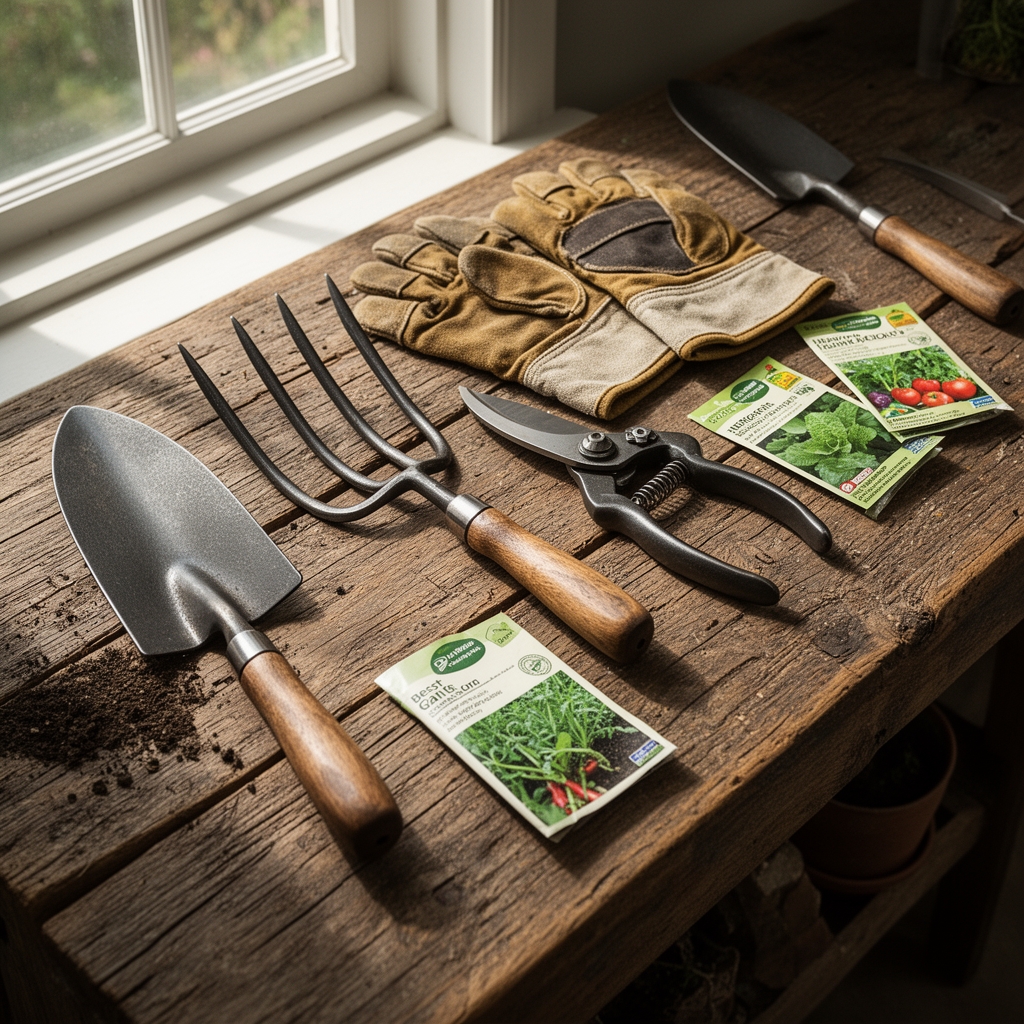
Quality sprayers require specific construction materials and compatible pest-control solutions. Polyethylene tanks resist corrosion from acidic formulations (pH 3.5-5.5) like spinosad and potassium salts of fatty acids. Viton seals tolerate petroleum-based horticultural oils better than standard rubber gaskets.
For organic vegetable gardens, prepare foliar sprays using neem oil emulsions, Bacillus thuringiensis (Bt) suspensions, or insecticidal soap concentrates diluted to manufacturer specifications. Synthetic options include pyrethrin (botanical extract with 0.5-2% active ingredient) and imidacloprid for systemic control. Always buffer spray solutions to pH 5.5-6.5 to maximize efficacy and prevent phytotoxicity.
Nutrient sprays complement pest control. Foliar feeding with 3-1-2 kelp extract or calcium chloride (0.5% solution) strengthens cell walls against piercing-sucking insects. Mycorrhizal fungi inoculants applied as soil drenches improve root cation exchange capacity, indirectly enhancing plant vigor and pest resistance.
Timing
Pest pressure follows predictable patterns across USDA Hardiness Zones. In Zones 5-7, aphid populations peak 3-4 weeks after last spring frost when daytime temperatures stabilize at 65-75°F. Colorado potato beetles emerge when soil temperatures reach 55°F at 4-inch depth, typically 10-14 days post-frost.
Southern gardens (Zones 8-10) face year-round pressure. Apply preventive sprays when transplanting spring brassicas in February and again at flowering initiation. Whitefly populations explode during humid periods above 80°F, requiring weekly monitoring and intervention.
Time applications for early morning (5:00-9:00 AM) when stomata open fully and air remains still. Avoid spraying within 24 hours of predicted rain. Spray intervals depend on pest lifecycle: 5-7 days for aphids, 10-14 days for caterpillars, 3-4 days for spider mites during exponential reproduction phases.
Phases

Sowing Phase
Prepare spray equipment before pest emergence. Calibrate pressure settings to deliver 15-30 PSI for foliar coverage without runoff. Test spray patterns on cardboard: proper fan nozzles produce 80-degree angles with overlapping edges at 18-inch spacing.
Clean tanks with trisodium phosphate solution (1 tablespoon per gallon) after each use. Residual herbicides or high-concentration pesticides damage sensitive vegetable seedlings. Flush lines and wands with clean water, then vinegar solution (10% acetic acid), then water again.
Pro-Tip: Inoculate soil with Beauveria bassiana fungal spores 2 weeks before transplanting. This entomopathogenic fungus colonizes roots and provides systemic protection against soil-dwelling larvae.
Transplanting Phase
Apply first protective spray 48 hours after transplanting when cuticle layers harden. Young plants tolerate lower concentrations: reduce neem oil to 1% and Bt to half-strength. Coat undersides of leaves where 70% of soft-bodied insects feed and oviposit.
Handheld pump sprayers (1-2 gallon capacity) suit gardens under 500 square feet. Battery-powered units handle 500-2000 square feet efficiently. Backpack sprayers with pressure regulators cover larger plots while maintaining consistent 20 PSI output.
Pro-Tip: Add non-ionic surfactant (0.25% v/v) to improve coverage on waxy brassica leaves. Surfactants reduce surface tension, allowing droplets to spread rather than bead up.
Establishing Phase
Mature plants require full-strength applications with complete coverage. Each tomato plant demands 12-16 ounces of spray solution to penetrate dense foliage. Adjust nozzle to produce 150-300 micron droplets for optimal leaf adhesion without excessive drift.
Monitor for pest resurgence 7-10 days post-spray. Surviving eggs hatch into vulnerable nymphs during this window. Secondary applications eliminate emerging generations before reproductive maturity.
Pro-Tip: Rotate active ingredients every 3 applications to prevent resistance. Alternate neem (azadirachtin mode of action) with spinosad (nicotinic receptor agonist) and pyrethrins (sodium channel modulators).
Troubleshooting
Symptom: Spray burns appear as brown necrotic spots on leaf margins.
Solution: Reduce concentration by 25%. Never spray when leaf temperatures exceed 85°F or relative humidity drops below 40%. Add kaolin clay (2% suspension) as protectant.
Symptom: Pests reappear within 3 days despite treatment.
Solution: Check spray penetration. Use 30-45 degree upward angle to coat undersides. Increase pressure to 25 PSI or switch to hollow-cone nozzle for better canopy infiltration.
Symptom: Beneficial ladybugs and lacewings disappear after spraying.
Solution: Switch to selective products. Bt targets only caterpillars. Insecticidal soap dissipates within 4 hours. Avoid broad-spectrum pyrethroids.
Symptom: Uneven coverage leaves patches of untreated foliage.
Solution: Walk at 2 feet per second. Overlap spray swaths by 30%. Mark rows to track coverage systematically.
Symptom: Nozzle clogs mid-application.
Solution: Install 50-mesh inline filter. Strain organic preparations through cheesecloth. Flush nozzle with compressed air between uses.
Maintenance
Apply 1 inch of water within 6 hours after using systemic pesticides to facilitate root uptake. Drip irrigation delivers precise moisture without washing foliar sprays from leaf surfaces.
Inspect pressure relief valves monthly. Replace cracked hoses and O-rings annually. Store sprayers empty with caps removed to prevent bacterial biofilm formation. Lubricate pump cylinders with food-grade silicone every 20 hours of operation.
Dedicated sprayers prevent cross-contamination. Label units "Organic," "Synthetic," and "Herbicide" permanently. Even trace residues of 2,4-D or glyphosate injure sensitive crops.
FAQ
What sprayer size works for a 20×40 foot garden?
A 2-gallon pump sprayer covers 800 square feet with proper technique. Calculate 1 gallon per 400 square feet for vegetables with moderate foliage density.
Can I spray during flowering?
Yes, but only before 7:00 AM or after 8:00 PM when pollinators are inactive. Use Bt or spinosad, which have 4-hour bee toxicity windows.
How often should I spray preventively?
Every 10-14 days during active growth. Scout twice weekly. Spray only when economic thresholds are met: 50 aphids per plant or 2 caterpillars per 5 plants.
Do I need different nozzles for different products?
Flat-fan nozzles suit contact pesticides. Hollow-cone nozzles penetrate dense canopies for systemic products. Adjustable nozzles offer versatility for mixed gardens.
What pressure kills spider mites effectively?
25-30 PSI with fine droplets (100-150 microns) reaches webbing layers. Spray three times at 3-day intervals to break reproductive cycles.